Quick answer
- The tradition says a touched elf loses its magic. The tradition also says cinnamon restores it — use that.
- Don't make it a big deal; a worried four-year-old needs the fix, not the lecture.
- A short note from Santa forgiving the elf ends it. Free to make, takes a minute.
Immediate Steps to Take If Your Child Touches the Elf on the Shelf
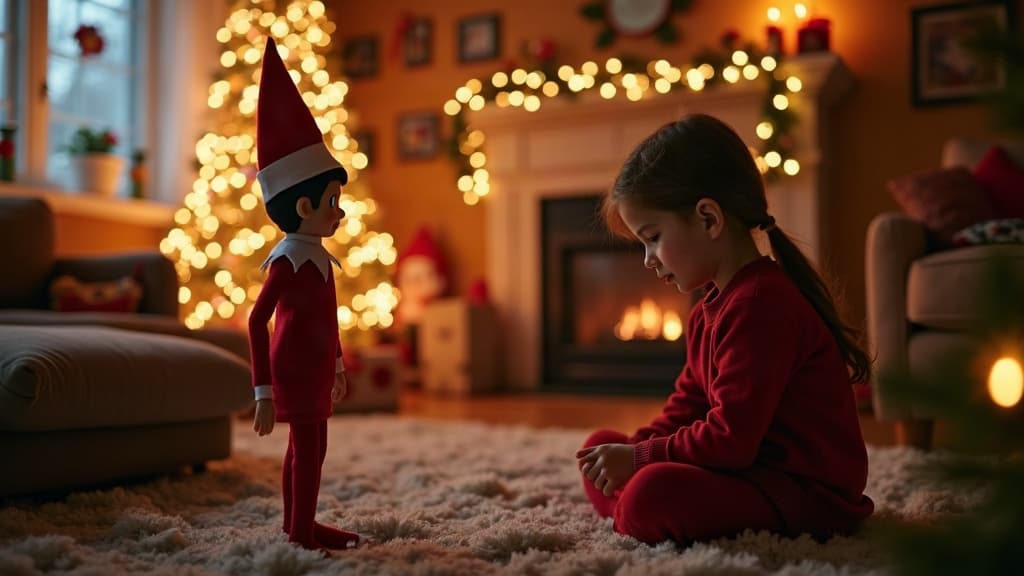
Don't panic, and don't let the child see you panic. The rule in the book is that a touched elf loses its magic; the rule everybody actually uses is that a sprinkle of cinnamon beside the elf overnight gives it back. Do that tonight, and in the morning the elf has moved. Done.
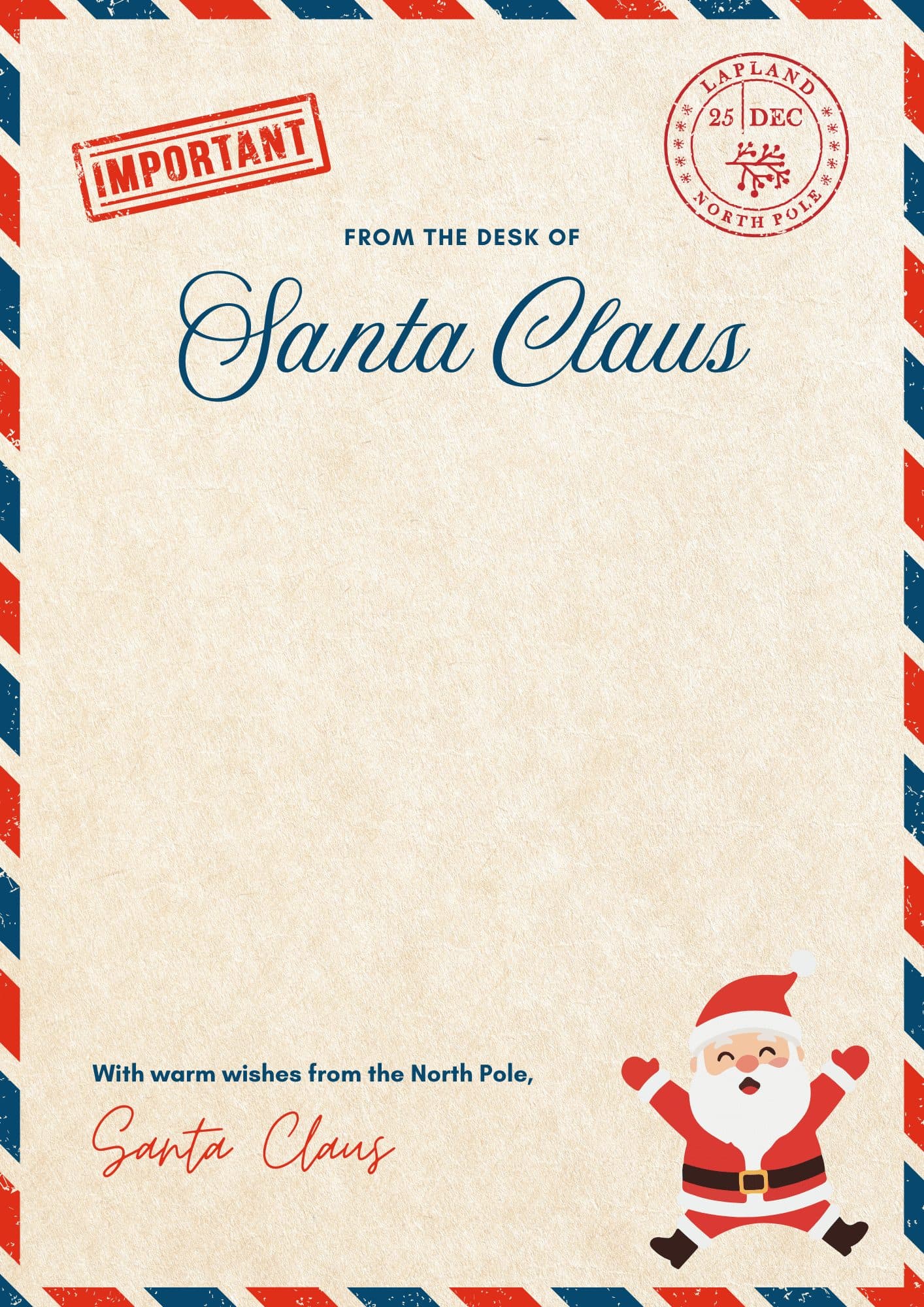
If the child is genuinely upset — some are — the thing that closes it is a two-line note from Santa next to the elf in the morning: *the elf told me what happened, all is forgiven, thank you for saying sorry.* It's free to make and takes a minute, and it turns a bad evening into the best morning of the week.
Understanding the Elf on the Shelf Tradition
The Elf on the Shelf tradition began in 2005, inspired by a children's book written by Carol Aebersold and her daughter Chanda Bell. This story introduces the concept of a scout elf who visits homes to observe the behavior of children and report back to Santa Claus each night. The elf's presence is meant to encourage children to be on their best behavior throughout the holiday season, knowing that their actions will be noted by Santa. Each morning, the elf returns to a new spot in the house, creating a sense of excitement and wonder for children who eagerly search for the elf's new location. This tradition has grown significantly over the years, becoming a beloved part of Christmas celebrations in many households.
- Originated from a book published in 2005 by Carol Aebersold and Chanda Bell, capturing the hearts of families worldwide.
- Became a popular Christmas tradition in the U.S., symbolizing the countdown to Christmas and a means to instill good behavior.
- Encourages good behavior in children by giving them a tangible connection to Santa's watchful eye, thus integrating a playful yet meaningful aspect to holiday traditions.
Make it magical with a video from Santa
Santa says your child's name, city and proudest achievement — in a real personalized video. Watch a free preview in 60 seconds.
The Magic of Cinnamon: A Simple Fix
Cinnamon is often used as a magical ingredient to help restore the Elf's powers if it's been touched. Much like fairy dust, it symbolizes magic in many cultures and can be a fun, tangible way for children to see the immediate effects of their actions. By sprinkling a little cinnamon around the Elf, you can let your child know that the Elf is regaining its powers. This simple act can be turned into a mini-ceremony where you explain the importance of believing in magic, similar to how belief brings characters like the Tooth Fairy or the Easter Bunny to life. The scent of cinnamon also adds to the festive atmosphere, making the experience all the more special.
Why Cinnamon?
- Symbolic of warmth and magic, cinnamon is often associated with holiday traditions and is believed to have mystical qualities in various cultures.
- Aromatic and festive, enhancing the Christmas atmosphere with its warm, spicy scent that evokes memories of holiday baking and cozy winter nights.
- Safe and easy for children to handle, making it an ideal 'magical' ingredient that parents can use to reinforce the idea of restoring the elf's powers without any risk or mess.
Explaining Santa's Magic to Your Child
Children are naturally curious, and questions about the Elf's magic can arise. It's important to explain that Santa's magic is special and works in mysterious ways. You can tell them that just like how reindeer fly and how presents appear under the tree, the Elf's magic is part of the Christmas wonder. This can be a great opportunity to delve into the history and folklore surrounding Santa's magic, such as stories of his origins in St. Nicholas and the many legends that surround his ability to travel the world in one night. Engaging your child with these tales can deepen their understanding and appreciation of the holiday season's magic.
Creative Ways to Explain
- Use stories and books about Santa's magic, which can illustrate how the magic of Christmas is believed to work, offering examples from different cultures and traditions.
- Create a magical story using a note from Santa, where Santa himself explains how his magic works, possibly mentioning your child's name and specific details to make it even more magical.
- Engage in imaginative play to illustrate magical events, such as creating scenarios where toys come to life or using puppets to demonstrate how magic can make the impossible happen.
Creating a Magic Recovery Ceremony
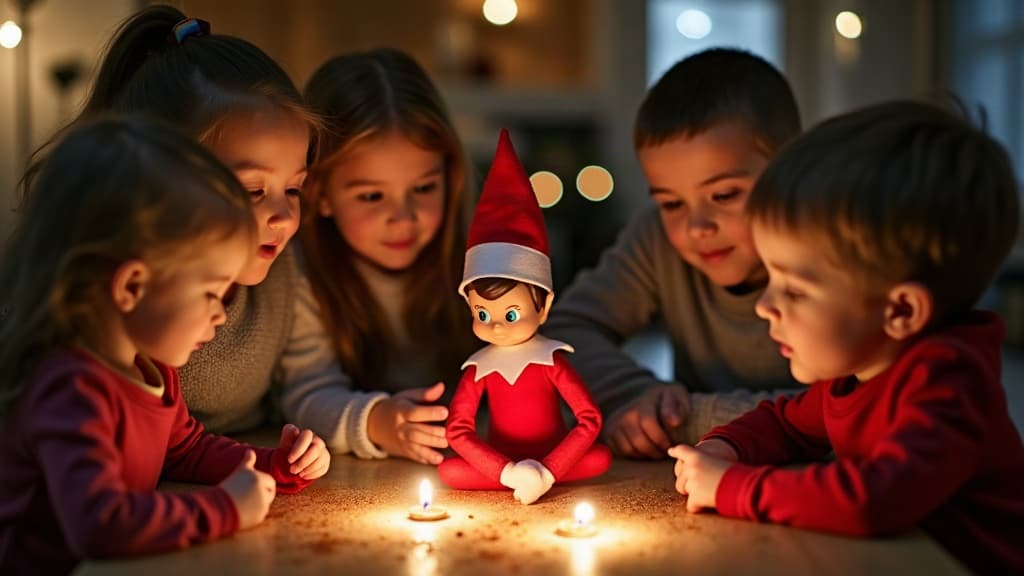
If your child is upset about touching the Elf, consider creating a 'Magic Recovery Ceremony.' This can include writing a note to the Elf, singing Christmas carols, or even crafting a small gift for the Elf. Such activities can help reassure your child and turn the event into a positive, memorable experience. These ceremonies can be as simple or as elaborate as you wish, involving the whole family to make it a festive occasion. Incorporating elements like lighting a special candle, using holiday-themed decorations, or even baking a small treat for the Elf can enhance the experience, transforming it into a cherished family tradition.
- Write an apology or love note to the Elf, expressing heartfelt sentiments and promises to be more careful in the future, which can also serve as a keepsake for years to come.
- Sing a favorite Christmas carol together, choosing songs that emphasize the themes of magic and wonder, to lift spirits and fill the home with joyful sounds.
- Craft a small gift or decoration for the Elf, such as a tiny scarf or hat, which can become part of the Elf's wardrobe or setting, adding to the playful narrative of the Elf's life in your home.
When to Seek Santa's Help
Sometimes, restoring the Elf's magic requires a little extra help from Santa himself. Consider using a personalised message from Santa to have Santa send a reassuring message to your child. This personal touch can reinforce the magic and keep the holiday spirit glowing brightly. Santa's message can be customized to address your child's specific concerns, perhaps mentioning their achievements or special moments from the year, creating a direct connection between Santa and your child. Additionally, this interaction can serve as a reminder of the importance of belief and the joy that comes from embracing the spirit of Christmas.
Benefits of Santa's Assistance
- Provides a personal connection to Santa, allowing children to feel directly involved in the Christmas magic and enhancing their belief in Santa's omnipresence.
- Reassures children of the ongoing magic, especially if they are feeling doubtful or upset about the situation, giving them confidence that everything will be alright.
- Creates a memorable holiday experience that your child will remember fondly, adding a layer of enchantment to the holiday season that they can carry with them throughout their lives.
Free download
Printable Letter From Santa + Nice List Certificate
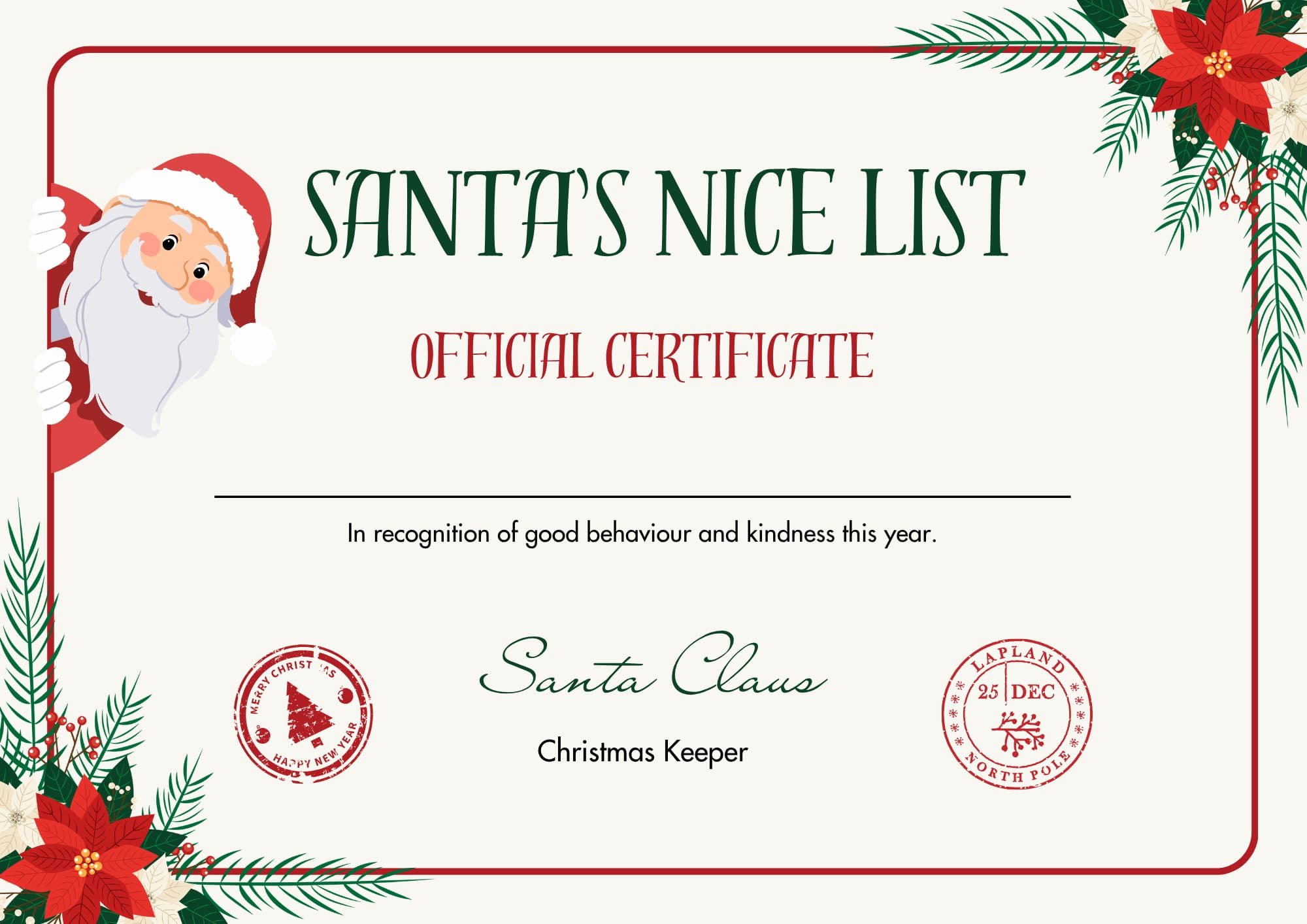
Two beautiful keepsakes from the North Pole — a personalized-style letter from Santa and an official Nice List certificate. Enter your email and Santa will unlock both PDFs for you, free.
A paper letter can't say your child's name out loud
Santa can. Watch a 30-second example — he greets your child by name, city and their proudest moment of the year.
Get a video from SantaWritten in Santa’s voice with AI help, then read and checked by a person before publishing.