Quick answer
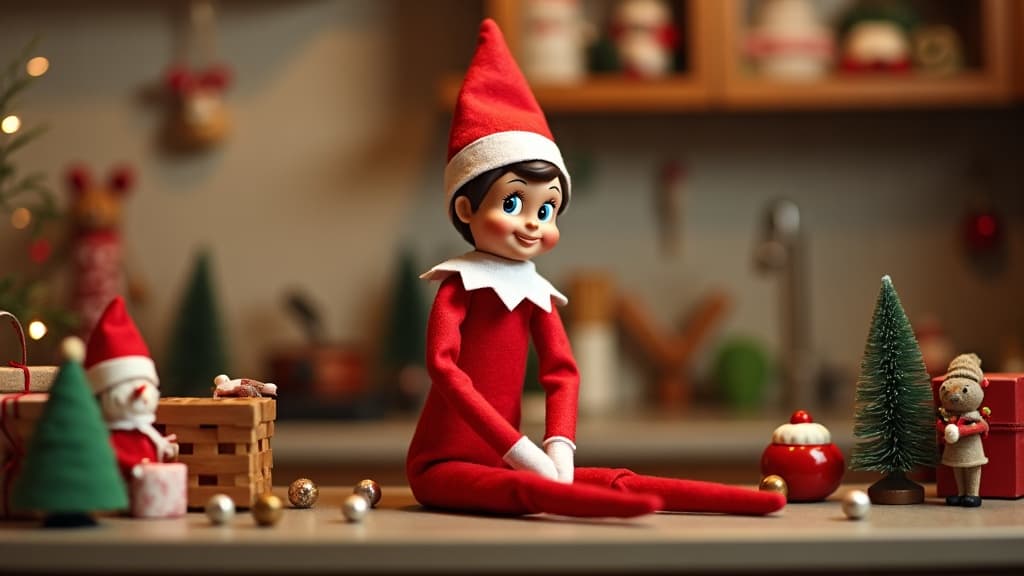
- Elf on the Shelf involves hiding a scout elf in your home.
- The elf reports to Santa each night about children's behavior.
- Children find the elf in a new spot each morning.
- Variations include naming the elf and reading the accompanying book.
- Avoid touching the elf to keep its magic intact.
Understanding Elf on the Shelf Rules
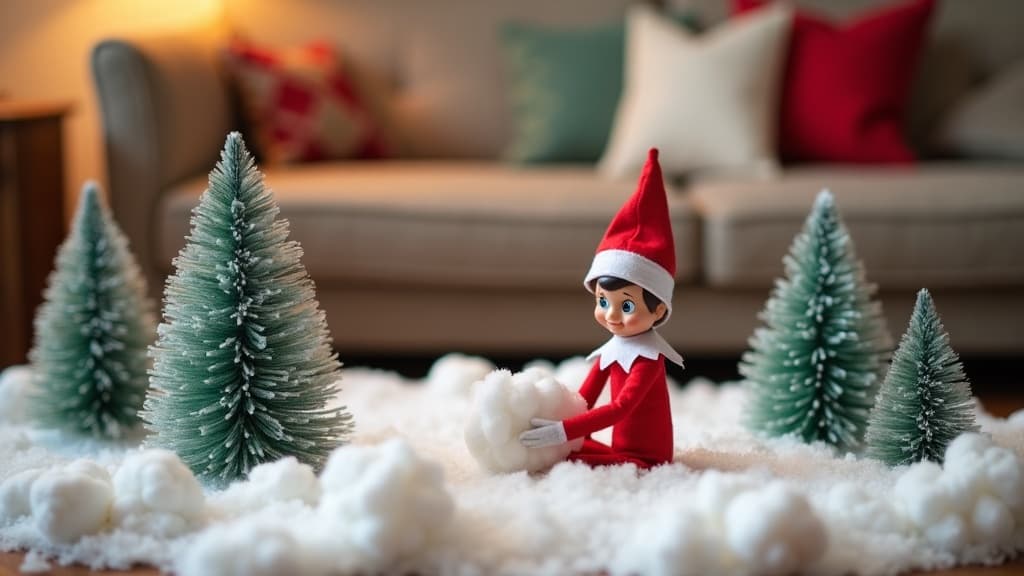
"Elf on the Shelf" is a Christmas tradition where a special scout elf is sent by Santa to watch over children and report back on their behavior. Each night, the elf flies back to the North Pole to share updates with Santa, returning to a new spot in the house by morning. This playful hide-and-seek game encourages good behavior and adds a magical touch to the holiday season. The tradition not only brings joy and excitement to children but also serves as a fun, interactive way for families to engage with the spirit of Christmas. The elf serves as a tangible reminder of the festive season's enchantment and is a beloved ritual for many families around the world. Learn more about the North Pole where the elves are said to travel each night.
Core Rules of the Elf on the Shelf Tradition
- The elf arrives at the start of the holiday season, often the day after Thanksgiving. This timing helps to mark the beginning of the Christmas season, building anticipation and excitement for the upcoming holidays.
- Children must not touch the elf, or it might lose its magic. This key rule is vital to maintaining the mystery and enchantment surrounding the elf's nightly travels and reports to Santa.
- Each night, the elf returns to the North Pole to report to Santa. This journey is central to the tradition, reinforcing the idea of Santa's omnipresent watch during the Christmas season.
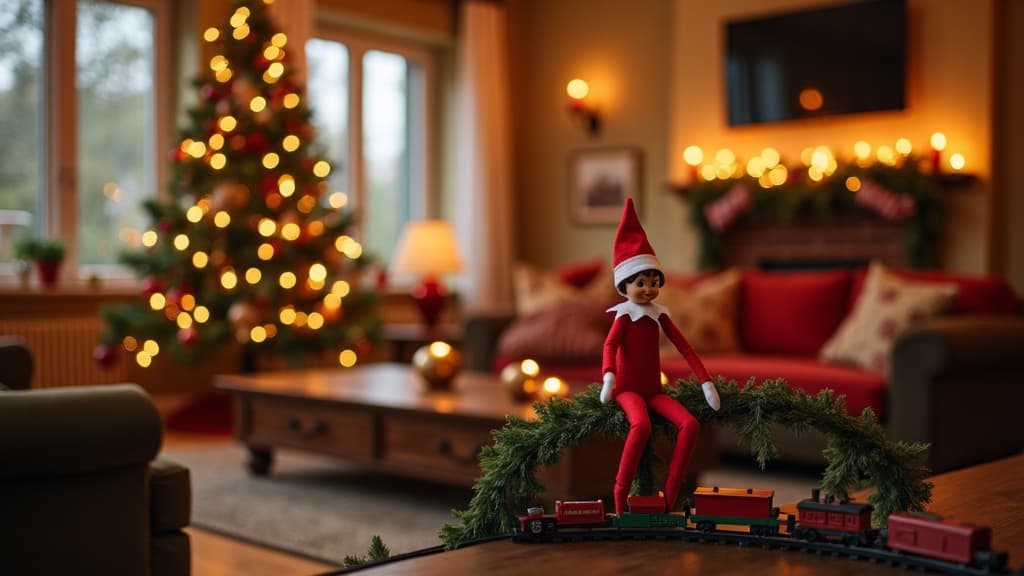
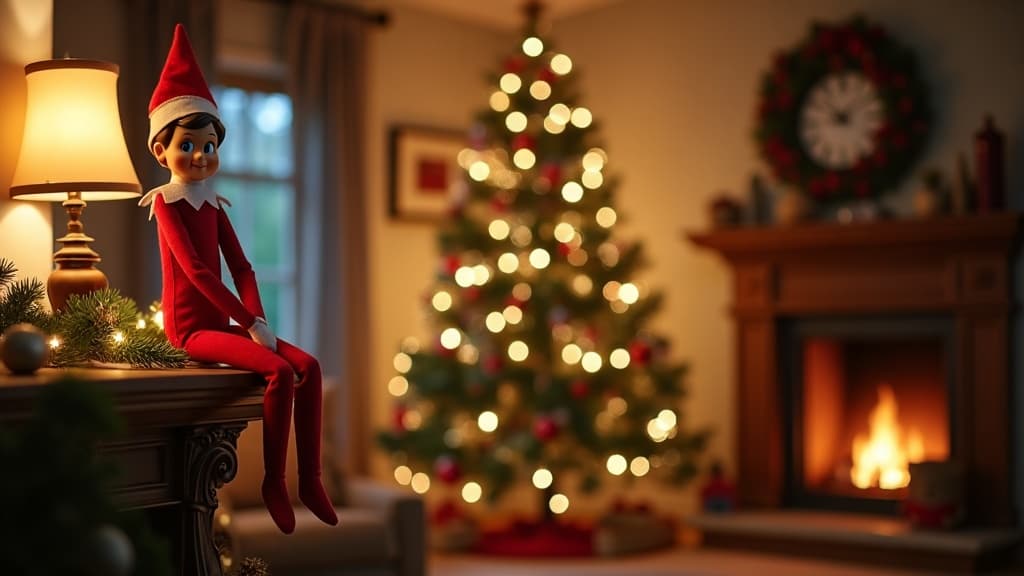
- The elf reappears in a new spot each morning, creating a fun search for children. This daily game encourages children to wake up eagerly and participate in the magical experience.
- The elf's role is to observe, not to speak or interact directly with the children. This silent sentinel maintains the charm and allure of the tradition, emphasizing observation over direct interaction.
Variations and Additions to the Tradition
While the core rules of Elf on the Shelf are consistent, many families add unique twists to personalize the tradition. Naming the elf is a popular first step, helping children feel more connected to their holiday guest. Reading the accompanying book, 'The Elf on the Shelf: A Christmas Tradition,' can also enhance the experience by explaining the elf's mission in a fun and engaging way. Families often create elaborate stories or adventures for the elf, enriching the tradition with their creativity and imagination. Some may even incorporate cultural or regional elements, providing a personalized touch that resonates with their family history and traditions.
Creative Variations
- Assign daily tasks or challenges for children to complete with the elf as a theme. These tasks could range from simple chores to creative projects, integrating the elf into everyday activities and promoting good behavior and teamwork.
- Include themed costumes or props for the elf to wear or use. This addition can add humor and surprise to the routine, as children find the elf engaging in various themed antics.
- Introduce a 'farewell letter' from the elf when it departs on Christmas Eve. This letter can express gratitude, share a special message, and reinforce the lessons of the season, adding a heartfelt conclusion to the tradition.
- Have the elf participate in holiday-themed games or puzzles with the children. This involvement can turn the elf into a more interactive companion, encouraging children to explore new activities with their magical friend.
- Incorporate a 'kindness calendar,' where the elf suggests daily acts of kindness for children to perform. This variation can teach valuable lessons about empathy and generosity, aligning with the holiday spirit.
Make it magical with a video from Santa
Santa says your child's name, city and proudest achievement — in a real personalized video. Watch a free preview in 60 seconds.
Tips for a Successful Elf on the Shelf Experience
To ensure a magical and stress-free Elf on the Shelf experience, preparation is key. Plan your elf's hiding spots ahead of time to avoid last-minute scrambles. Incorporate fun and creativity, but remember to keep it manageable and enjoyable for everyone, including yourself. Consider setting a reminder on your phone to move the elf each night. It's also helpful to have a few backup ideas for those nights when inspiration runs low. Balancing creativity with simplicity can maintain the magic without overwhelming the family during the busy holiday season.
Printable-Worthy Checklists
- Plan and list 25 unique hiding spots. This checklist can include easy, medium, and challenging locations to keep the experience engaging and fresh throughout the season.
- Create a schedule for themed props or costumes. Organizing these elements in advance ensures that each day brings a new surprise, enhancing the elf's role in the holiday festivities.
- Prepare a 'December calendar' with elf activities and notes. This calendar can serve as both a planning tool and a memory keeper, documenting the elf's adventures and the family's reactions.
- Include a list of emergency excuses for nights when the elf forgets to move. Having a prepared explanation can quickly resolve any potential disappointment, ensuring the magic remains intact.
- Compile a selection of simple, last-minute prop ideas. This list can be a lifesaver for busy parents, providing quick solutions that still bring joy and excitement to the children.
Pitfalls to Avoid with Elf on the Shelf
While Elf on the Shelf can be a delightful tradition, there are common pitfalls to avoid. Overcomplicating the tradition with elaborate setups can lead to stress. Also, be cautious not to use the elf as a disciplinary tool too frequently, as it may diminish the fun and excitement. Finally, prepare for the occasional slip-up, like forgetting to move the elf, with a quick recovery plan. Remember, the goal is to create joy and wonder, not to add pressure or become a source of frustration. Keeping the focus on enjoyment rather than perfection can help maintain the tradition's magic.
Common Mistakes
- Forgetting to move the elf overnight. This can happen to the best of us, but having a few ready-made excuses can help maintain the narrative without disappointment.
- Touching the elf, thus 'removing' its magic. Remind children of this rule gently and creatively to maintain the elf's mystique and importance.
- Using the elf too strictly as a behavioral tool. While the elf can encourage good behavior, relying too heavily on this aspect can transform the tradition into a source of anxiety rather than delight.
- Running out of ideas mid-season. This can be avoided by planning ahead and keeping a list of backup ideas. Remember, creativity can be simple and still magical.
- Overextending the elf's role beyond its intended purpose. Keeping the tradition light and fun is essential to its success and sustainability throughout the years.
Incorporating Elf on the Shelf with Other Traditions
Integrating Elf on the Shelf with other family traditions can enhance the holiday experience. For example, involve the elf in your Christmas countdown activities or let it deliver a letter from Santa as part of the holiday magic. Combining traditions can create a seamless and memorable holiday season for your family. This integration not only enriches the elf's role but also strengthens the bonds between different holiday customs, creating a unified and cohesive festive ambiance.
Complementary Traditions
- Use the elf as a hidden messenger for other holiday activities. This role can involve delivering clues for treasure hunts or hints for family games, adding an element of surprise and excitement.
- Involve the elf in family games or storytelling nights. The elf can be a character in stories or a silent partner in games, encouraging imaginative play and bonding with family members.
- Let the elf 'leave behind' small gifts or notes from Santa. These tokens can enhance the elf's role as Santa's helper, bringing an extra layer of magic and joy to the holiday season.
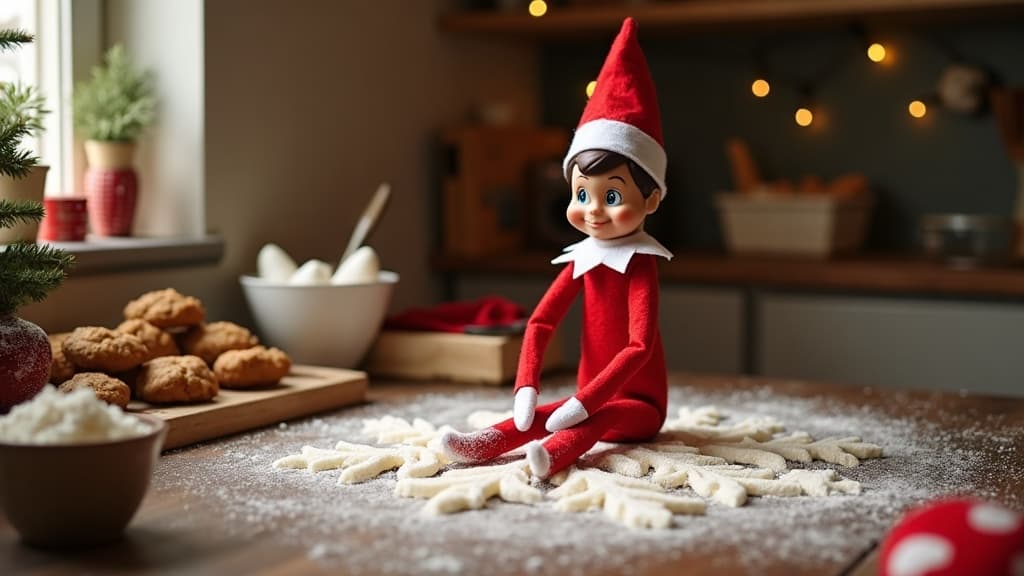
- Have the elf participate in holiday baking sessions, perhaps leaving a recipe or ingredient list for a fun family cooking activity.
- Include the elf in your holiday decorating plans, letting it offer suggestions or 'supervise' the decorating process, turning it into a playful and collaborative event.
Free download
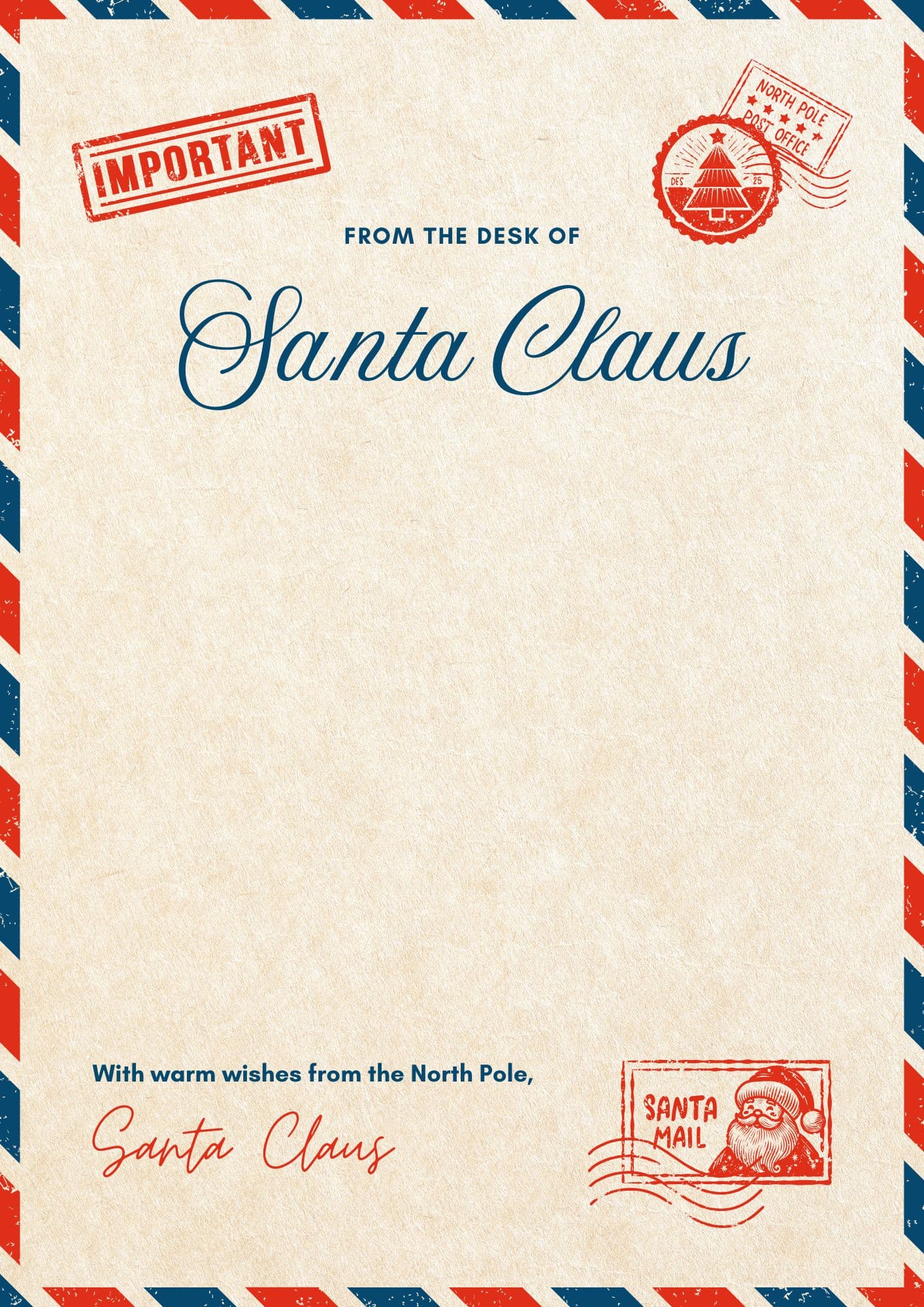
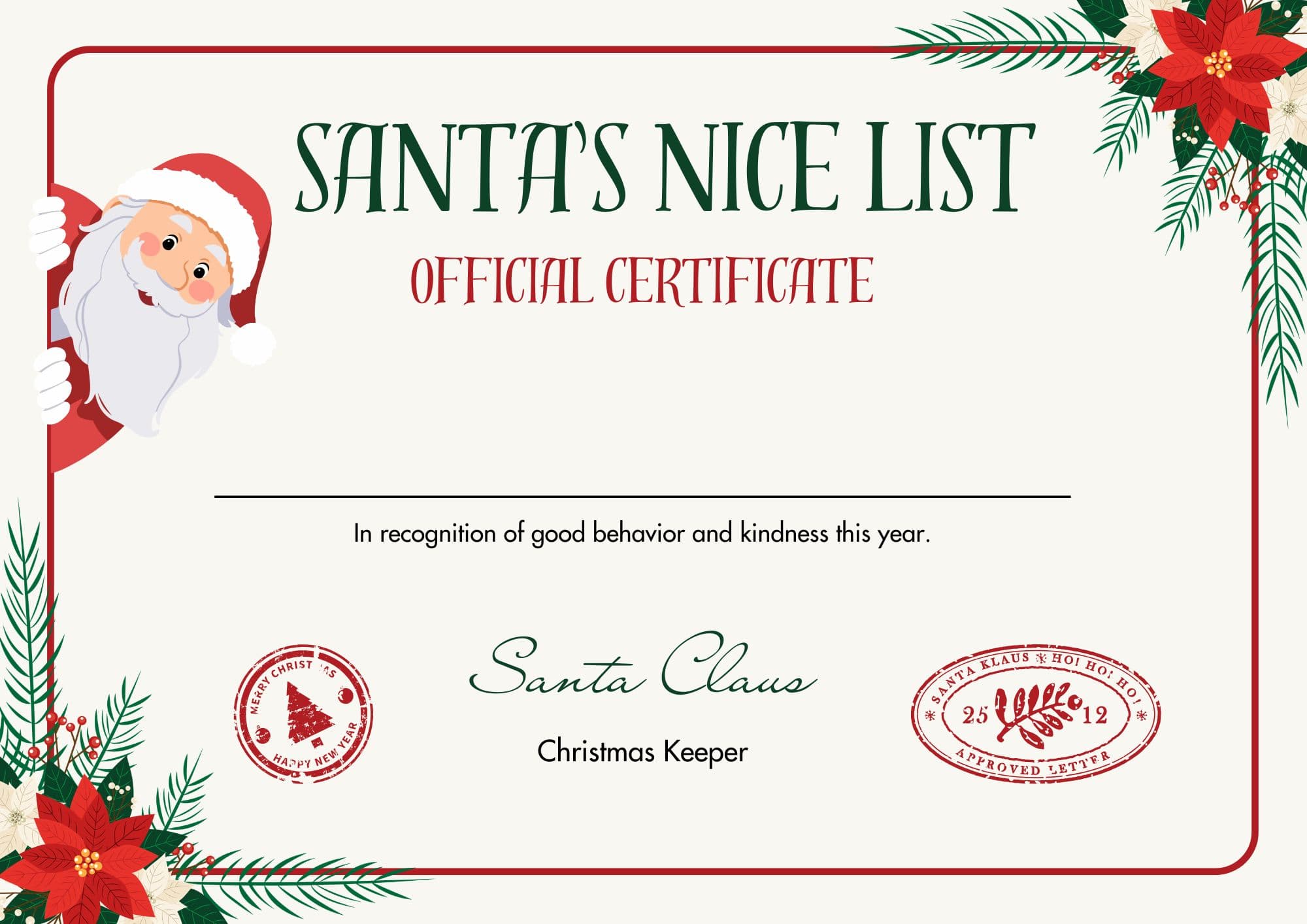
Printable Letter From Santa + Nice List Certificate
Two beautiful keepsakes from the North Pole — a personalized-style letter from Santa and an official Nice List certificate. Enter your email and Santa will unlock both PDFs for you, free.
A paper letter can't say your child's name out loud
Santa can. Watch a 30-second example — he greets your child by name, city and their proudest moment of the year.
Get a video from Santa