Quick answer
- Santa follows nighttime across the globe, moving from east to west as families fall asleep.
- Christmas magic lets his sleigh travel faster than an ordinary airplane and helps him enter homes safely, with or without a chimney.
- Reindeer, helpers, preparation, and a well-planned route make the Christmas Eve delivery possible.
- For young children, it is enough to say that Santa has special Christmas magic and delivers gifts while everyone is sleeping.
How Does Santa Deliver Presents in One Night?
Santa delivers presents in one night by following darkness around the Earth. He starts where Christmas Eve arrives first, then travels west through different time zones while children sleep. In the story, magical reindeer, a flying sleigh, and Santa’s careful route let him visit homes much faster than an ordinary person could.
The key is that “one night” does not begin at the same moment everywhere. Christmas arrives at midnight in Kiribati’s Line Islands before it reaches New York, Denver, Los Angeles, or Honolulu. Santa can use that moving band of nighttime as a delivery schedule. By the time families in one place are opening gifts, families farther west may still be asleep or waiting for bedtime.
Santa also prepares long before December 24. Presents are sorted, names are checked, wrapping is finished, and the sleigh is loaded in a planned order. He does not need to search through a giant pile for every gift. Each stop is ready before the sleigh leaves the North Pole, making the journey smoother and faster.
This explanation keeps the wonder while giving children a clear answer. Santa is not simply racing a clock. He is using Christmas magic, a worldwide route, and the long winter night to make an impossible delivery possible.
How Time Zones Help Santa Travel Around the World
Time zones are one of the clearest parts of the Santa story. Earth rotates from west to east, so sunrise and midnight reach different places at different times. When it is midnight in one city, it may still be evening somewhere west of it. Santa can move with the night instead of trying to complete every delivery during the same local hour.
A simple route kids can picture
- Santa begins near the International Date Line, where Christmas Day arrives first.
- He visits homes across places such as New Zealand, Australia, Japan, and Asia.
- He continues through Europe and Africa, then reaches North and South America.
- He finishes in later time zones, including Alaska and Hawaii, before morning arrives.
The exact route can change because Santa is magical, but the time-zone idea is real. The International Date Line is not a perfectly straight line, and countries choose their own time-zone rules. That is why a child does not need a detailed map to understand the idea. You can say, “Santa follows the dark part of the Earth, so he always has another sleeping family ahead.”
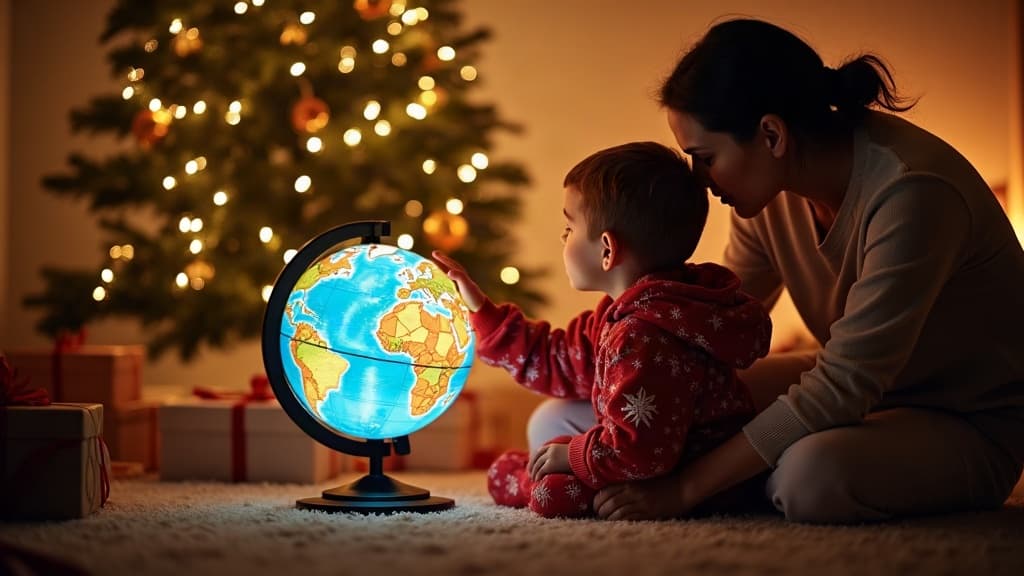
A family can make this explanation interactive. Show a globe, point out your home, and explain that nighttime is moving across the planet. Then let your child imagine Santa checking each place as it becomes bedtime. You might point from Kiribati toward New Zealand, Australia, Europe, and the Americas, making the route easy to picture without turning Christmas Eve into a geography lesson.
Make it magical with a video from Santa
Santa says your child's name, city and proudest achievement — in a real personalized video. Watch a free preview in 60 seconds.
How Santa’s Sleigh and Reindeer Make the Trip Possible
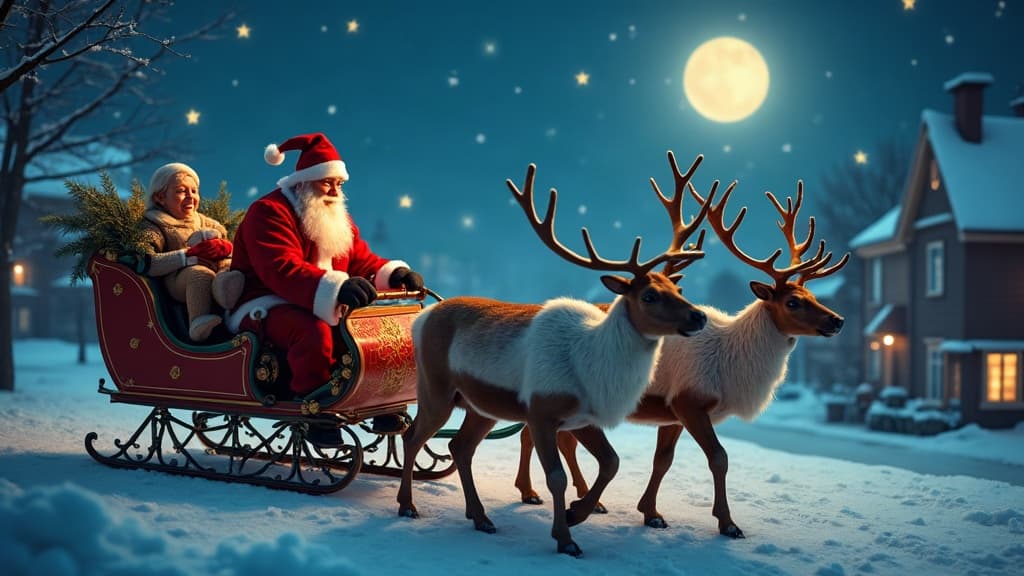
Santa’s sleigh is not an ordinary wooden sled. In the traditional story, it can fly, carry a large load, and land gently on rooftops. Its most important feature is not a measured engine speed. It is Christmas magic, which allows the sleigh to travel quickly without making the noise or disturbance that a normal aircraft would create.
The reindeer are part of the same magical system. They work as a team, respond to Santa’s directions, and guide the sleigh through snow, clouds, and darkness. Rudolph became famous through the 1939 story published by Montgomery Ward, while the older reindeer names appeared in Clement Clarke Moore’s 1823 poem, “A Visit from St. Nicholas.” You can read more about the development of the tradition in this history of Santa Claus.
Why the sleigh does not wake everyone
The story gives Santa soft landings, quiet hooves, and a special way to enter each home. A chimney may be used when it is safe and suitable, but Santa can also use a door, window, or another magical entrance. This matters because many modern homes do not have fireplaces. The important detail is that Santa never needs to put a child in danger or climb where he should not.
Children often ask whether the reindeer get tired. A gentle answer is that they rest before Christmas Eve, eat special food, and receive help from Santa’s North Pole team. Carrots left by children are a thoughtful snack, but the reindeer have a full feeding plan for a very long night. In some families, children leave oats, apples, or water too; any of these can become part of the household tradition.
How Santa Plans Every Present Before Christmas Eve
A successful Christmas Eve depends on preparation. Santa needs a list of children, addresses, family traditions, and presents. He also needs to know which gifts are fragile, which ones are too large for a stocking, and which packages must be placed under the tree rather than hidden in another room.
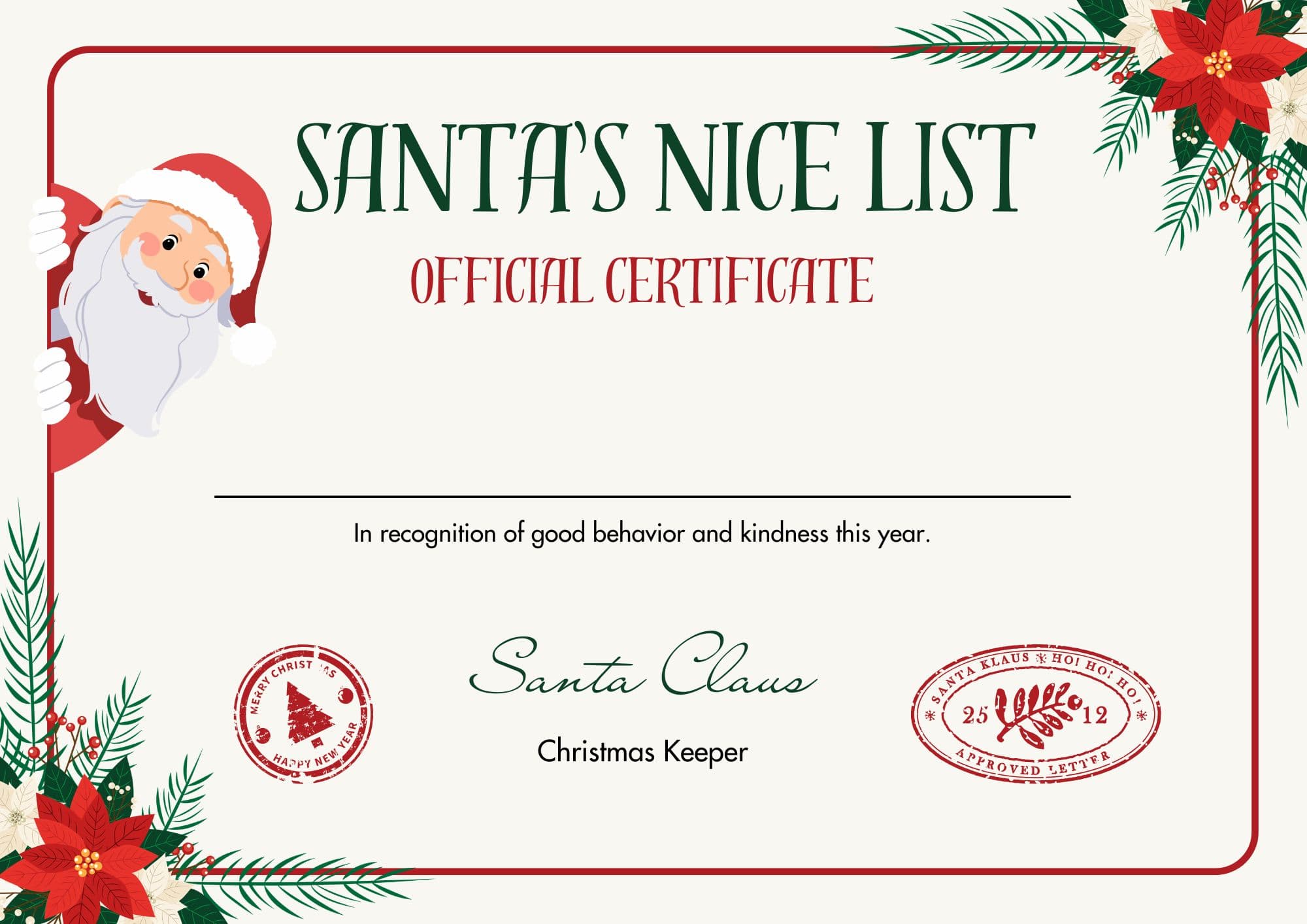
The North Pole workshop can be imagined as a careful fulfillment center with a magical touch. Elves sort gifts by destination, check labels, repair toys, and organize the sleigh. Santa’s famous nice list is part of the story’s tradition, but it can be explained as a reminder of kindness rather than a scorecard that determines a child’s worth. Every child deserves care and encouragement.
A practical delivery checklist
- Check each child’s name and home.
- Match every present with the correct family.
- Load large gifts where they can be removed quickly.
- Keep stocking treats and small surprises together.
- Review the route and weather before departure.
- Leave quietly and make sure the home is safe.
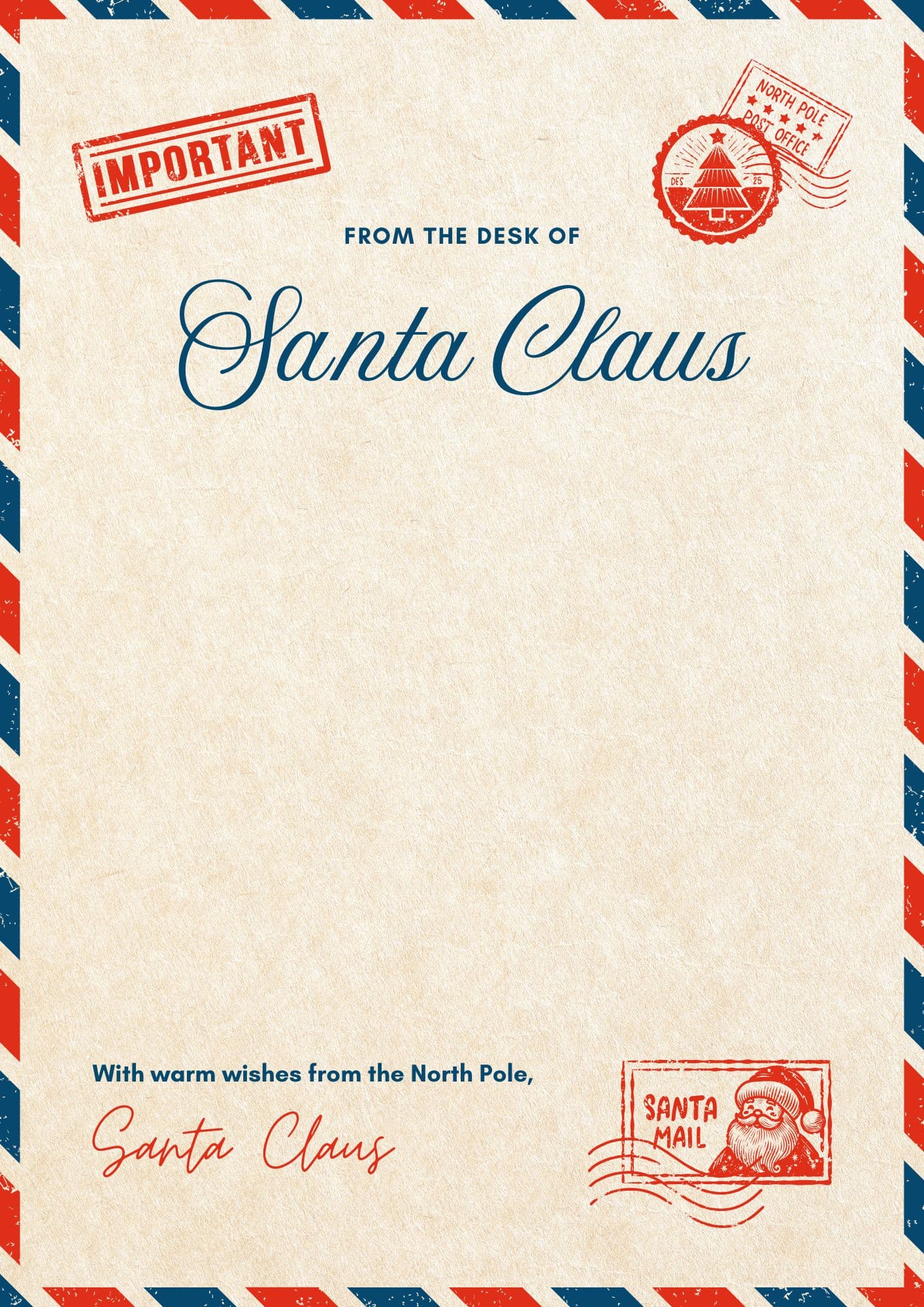
Parents can add a personal detail by leaving a handwritten note or a glass of milk. A personalized letter from Santa can also mention a child’s favorite book, a kind act, or a brave moment from the year. Specific details make the tradition feel thoughtful without requiring a complicated explanation. A note might say, “I heard you read three chapters of your new book to your little brother,” rather than offering a general compliment.
Historically, Santa’s image changed over time. The 1823 poem helped popularize the sleigh and reindeer, and illustrator Thomas Nast’s 1860s drawings helped establish the North Pole as Santa’s home. Those details became building blocks for today’s familiar Christmas Eve story. The modern version combines these literary, artistic, and regional traditions into one character known by different names, including Santa Claus, Father Christmas, and Sinterklaas.
Why Santa Comes at Night Instead of During the Day
Night gives Santa privacy, quiet, and a natural reason for children not to see him. Most families are indoors, lights are dimmer, and children are tucked into bed. In the story, Santa can move from house to house without interrupting Christmas Eve gatherings or spoiling the surprise.
The tradition also connects with older winter customs. Saint Nicholas was a fourth-century Christian bishop associated with generosity, and his feast day is celebrated on December 6 in many parts of Europe. In the Netherlands, Sinterklaas traditions helped shape later Santa customs. The historical Saint Nicholas was connected with Myra, an ancient city in what is now Turkey. The Saint Nicholas Center provides a useful overview of these traditions.
Nighttime does not have to mean Santa is rushing every second. He may visit some homes early in the evening when children are still awake elsewhere, then arrive at your house after everyone is asleep. The important rule is that he chooses a quiet moment when the surprise can be protected.
What about children who stay awake?
You can tell a child that Santa has excellent timing and special sleepy-time magic. If someone briefly wakes up, Santa may pause, wait for the house to become quiet, or visit another home and return later. This answer avoids making children feel worried about missing him. It also supports a healthy bedtime instead of encouraging an all-night watch.
A calm routine helps. Read a story, place out a snack, turn down the lights, and remind children that Santa works best when families are resting. Parents can choose a familiar book, such as “The Night Before Christmas,” or read a newer favorite before lights-out. The routine matters more than the exact script.
How to Explain Santa’s One-Night Delivery to Kids
Match the explanation to the child’s age and question. A preschooler may only need one sentence: “Santa uses his flying sleigh and Christmas magic to deliver gifts while children sleep.” An older child may want to know about time zones, route planning, and how Santa reaches homes without fireplaces. Give enough detail to answer the question, then stop before the explanation becomes a puzzle.
Simple answers for common questions
- “How does he visit everyone?” Say: “He follows nighttime around the world and travels with magical reindeer.”
- “How does he know where I live?” Say: “His helpers organize a special Christmas Eve list and check every home.”
- “What if we do not have a chimney?” Say: “Santa has many safe magical ways to enter a home.”
- “Why have I never seen him?” Say: “He is very quiet and chooses moments when everyone is asleep.”
- “Does Santa come to apartments?” Say: “Yes. Santa knows how to deliver to apartments, houses, condos, and other homes.”
Avoid promising an exact arrival time. A child may become anxious if the clock passes that time. Say that Santa comes after bedtime and before morning, with a route that changes from home to home. If your child wants reassurance, invite them to leave a drawing, a carrot, or a short note. This gives them something concrete to do without asking them to stay awake.
For families who enjoy a modern touch, a personalized video from Santa can answer a child’s specific question about the sleigh, reindeer, or bedtime. Keep the message warm and brief. The goal is not to prove every detail. It is to help children enjoy generosity, anticipation, and the feeling that Christmas is made especially meaningful for their family. A message can mention a favorite stuffed animal, a school concert, or the cookies waiting in the kitchen, but it should avoid promises the adults cannot keep.
Free download
Printable Letter From Santa + Nice List Certificate
Two beautiful keepsakes from the North Pole — a personalized-style letter from Santa and an official Nice List certificate. Enter your email and Santa will unlock both PDFs for you, free.
A paper letter can't say your child's name out loud
Santa can. Watch a 30-second example — he greets your child by name, city and their proudest moment of the year.
Get a video from Santa