Quick answer
- Santa's Nice List is a cherished tradition where Santa tracks children's behavior.
- It encourages kindness and good deeds throughout the year.
- The list is part of the Christmas folklore dating back to 1800s.
- Parents can use the list to motivate positive behavior in kids.
- Santa's Nice List promotes the spirit of giving and kindness.
What is Santa's Nice List?
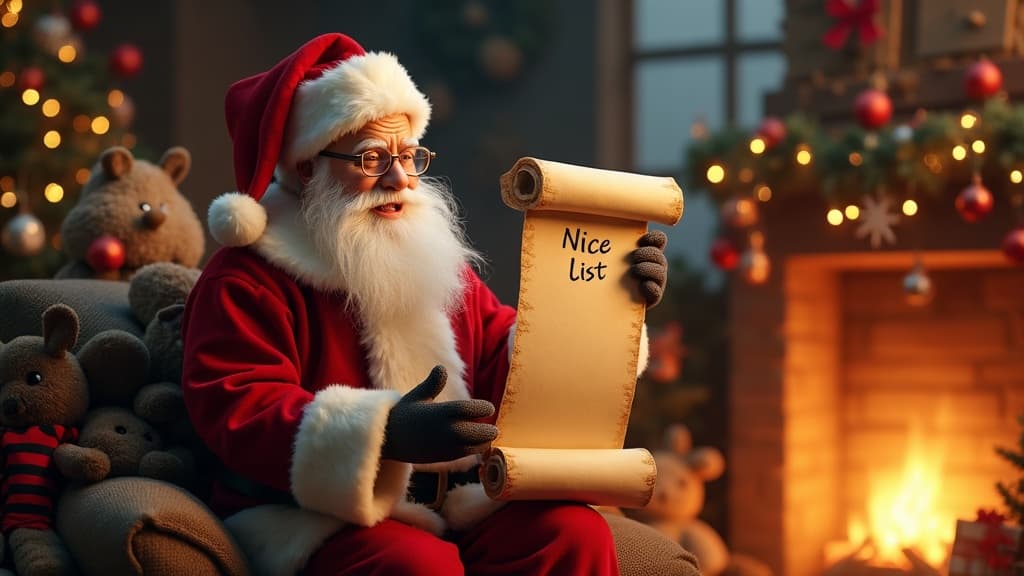
Santa's Nice List is a beloved Christmas tradition where Santa Claus keeps track of children's behavior throughout the year, rewarding good deeds and kindness. It's a magical way to encourage positive actions and foster a spirit of giving. Originating from as early as the 19th century, this list has become an integral part of the Christmas tradition worldwide. Children across the globe eagerly anticipate being on this list, which signifies not just the promise of gifts but also recognition of their good behavior and efforts throughout the year.
The concept of a list that differentiates between 'naughty' and 'nice' children likely gained popularity from the 1840s poem "A Visit from St. Nicholas," better known as "The Night Before Christmas." This poem, along with other cultural traditions, has helped solidify the Nice List in the hearts and homes of families everywhere. The poem paints a vivid picture of Santa's role in Christmas, emphasizing the moral lessons of good behavior, which align with many cultural teachings worldwide. Thus, the Nice List not only adds a layer of excitement to the holiday but also offers a valuable tool for instilling virtues in children.
The Historical Background of Santa's Nice List
Santa's Nice List has its roots in European folklore, where figures like Saint Nicholas, Father Christmas, and other gift-giving entities monitored children's behavior. The modern interpretation of Santa Claus, with his legendary Nice List, was significantly influenced by Clement Clarke Moore's 1823 poem, "A Visit from St. Nicholas." This poem introduced the idea of Santa observing children's behavior, a concept that has been embraced in various cultures, each adding its unique spin.
In the 19th century, the idea of rewarding good behavior became more pronounced, aligning with societal norms of the time, which emphasized moral behavior and charity. For instance, in Victorian England, moral tales were popular, and children were often told stories that highlighted the benefits of good behavior and the consequences of naughtiness. This transformation helped establish the Nice List as a tool for encouraging children to be on their best behavior, especially in the lead-up to Christmas.
Today, the Nice List continues to be a charming part of Christmas traditions, with parents using it as a playful but effective reminder to children about the value of kindness. For more about the origins and cultural significance, check out this Wikipedia article. The tradition has evolved, incorporating modern elements like digital Nice Lists and interactive experiences, yet the core message remains the same: kindness and good deeds are rewarded.
Make it magical with a video from Santa
Santa says your child's name, city and proudest achievement — in a real personalized video. Watch a free preview in 60 seconds.
Fun Facts About Santa's Nice List
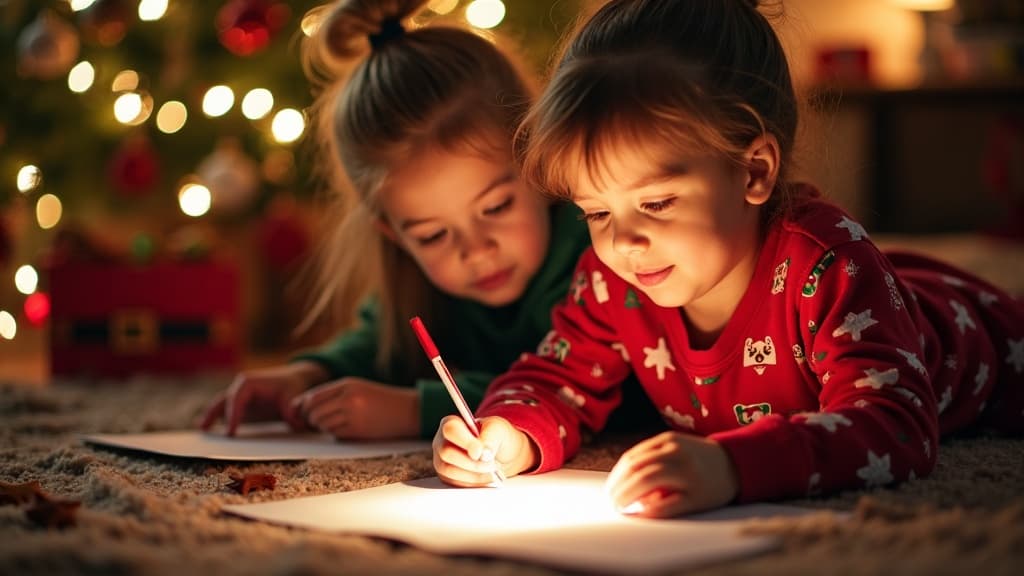
Did you know that Santa's Nice List isn't just about presents? It's also about spreading joy and positive energy. Each year, millions of kids write letters to Santa, detailing their good deeds in hopes of securing their spot on the coveted list. These letters are often filled with heartfelt promises and examples of kindness, showcasing the children's understanding of what it means to be good. This tradition of letter writing is itself a way to encourage literacy and creativity among children.
In some cultures, the concept of a Nice List is complemented by similar traditions. For example, in Italy, La Befana, a kindly witch, rewards good children with sweets and small gifts on Epiphany Eve. Similarly, in Germany, St. Nicholas Day on December 6th is a time when children receive gifts based on their behavior. These traditions emphasize the universal appeal of rewarding good behavior and highlight the diverse ways different cultures celebrate kindness and generosity.
The tradition of Santa's Nice List also plays a role in modern pop culture, appearing in films, books, and even personalized videos from Santa that delight children by showing them they're on the Nice List. Movies like "Elf" and "The Santa Clause" often depict the Nice List as a central element of the Christmas narrative, reinforcing its significance and adding layers to the magical story of Santa Claus.
Explaining Santa's Nice List to Kids
When explaining Santa's Nice List to your children, focus on the themes of kindness and good behavior. Let them know that Santa keeps track of how they treat others and how they share joy throughout the year. This can be a great way to encourage positive actions and empathy. Use real-life examples that they can relate to, such as sharing toys with siblings or helping a friend at school.
You can make the Nice List more tangible by creating a chart at home where kids can add stars or stickers for good deeds. This visual representation can help them understand the concept in a fun, engaging way. Consider integrating stories from your own childhood or family traditions to make it more personal. Sharing anecdotes of your own experiences or those of their grandparents can create a deeper connection to the tradition.
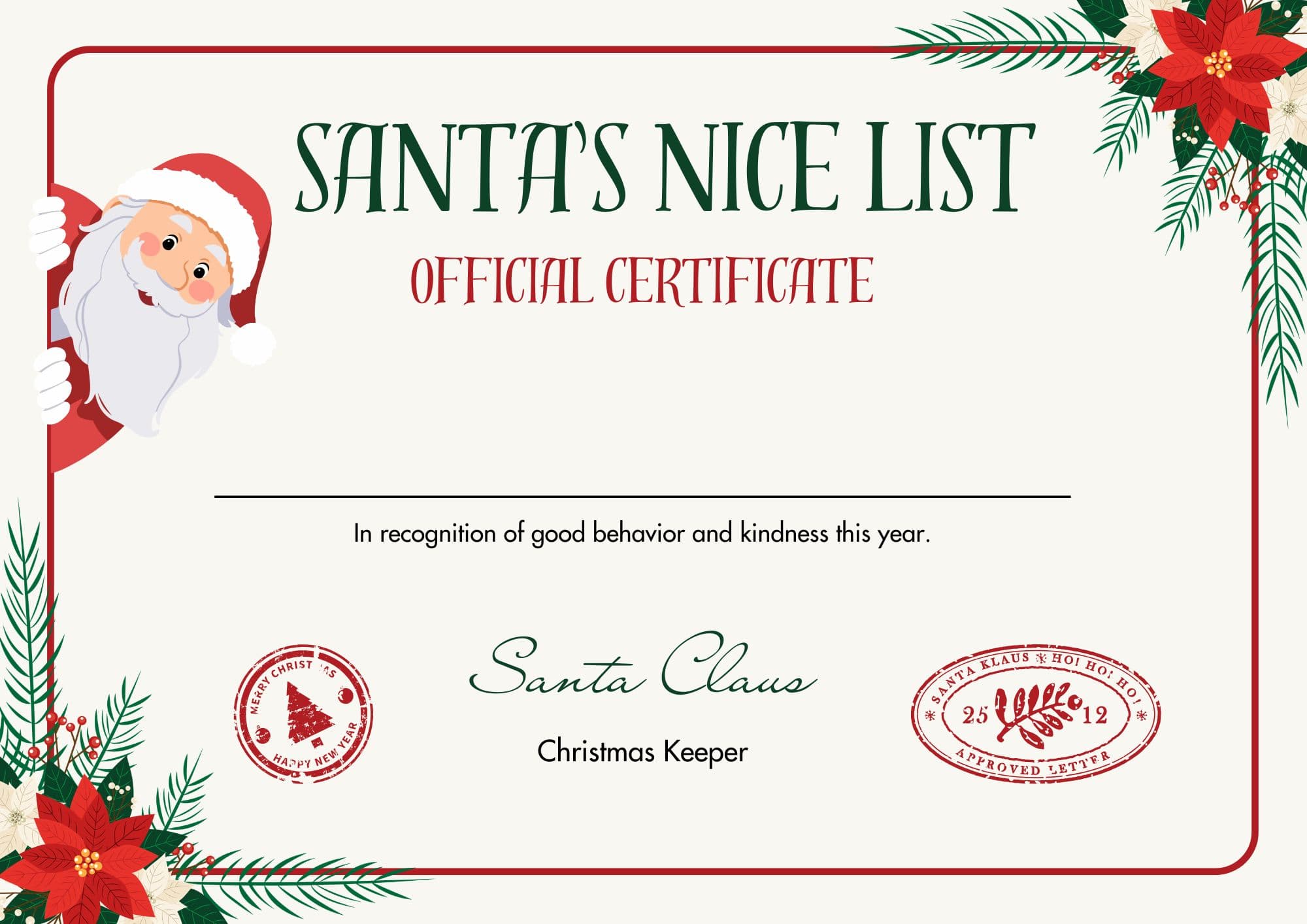
To make the experience even more magical, parents can use the Santa app to receive a personalized Nice List certificate for their kids, reinforcing the idea that their good behavior is recognized not just by parents, but by Santa himself. This digital touch can be a delightful surprise and serves to further engage children in the magic of Christmas.
Benefits of Santa's Nice List for Families
Santa's Nice List can be a powerful tool for teaching children about the importance of positive behavior and kindness. It provides parents with an opportunity to reinforce moral values and encourage children to act with empathy and consideration. Through this tradition, children learn that their actions have consequences and that kindness is valued and appreciated.
By focusing on good deeds, the Nice List can help children develop a sense of responsibility and accountability. It's also a way for families to bond over shared goals and create lasting holiday memories. Family discussions about what constitutes a 'good deed' can lead to meaningful interactions and understanding among family members.
Moreover, the tradition of Santa's Nice List aligns with many cultural values worldwide, promoting a universal message of goodwill and generosity. This can be a wonderful starting point for discussions about other cultures and traditions, broadening a child's understanding of the world. Learning about how different cultures celebrate similar values can instill a sense of global citizenship in children.
How to Create Your Own Nice List Tradition
Starting your own Nice List tradition can be both fun and rewarding. Begin by explaining the concept to your children and decide together what actions or behaviors will earn them a spot on the list. This could include helping with chores, showing kindness to siblings, or helping a neighbor. Engage them in setting realistic and achievable goals, which can be reviewed regularly to track progress.
You can personalize this experience by crafting your own Nice List book or chart. Use festive decorations to make it special, and review it together regularly. Celebrate the small victories and encourage continued good behavior. Consider using family meetings to discuss the progress and share stories of kindness and good deeds witnessed within the community.
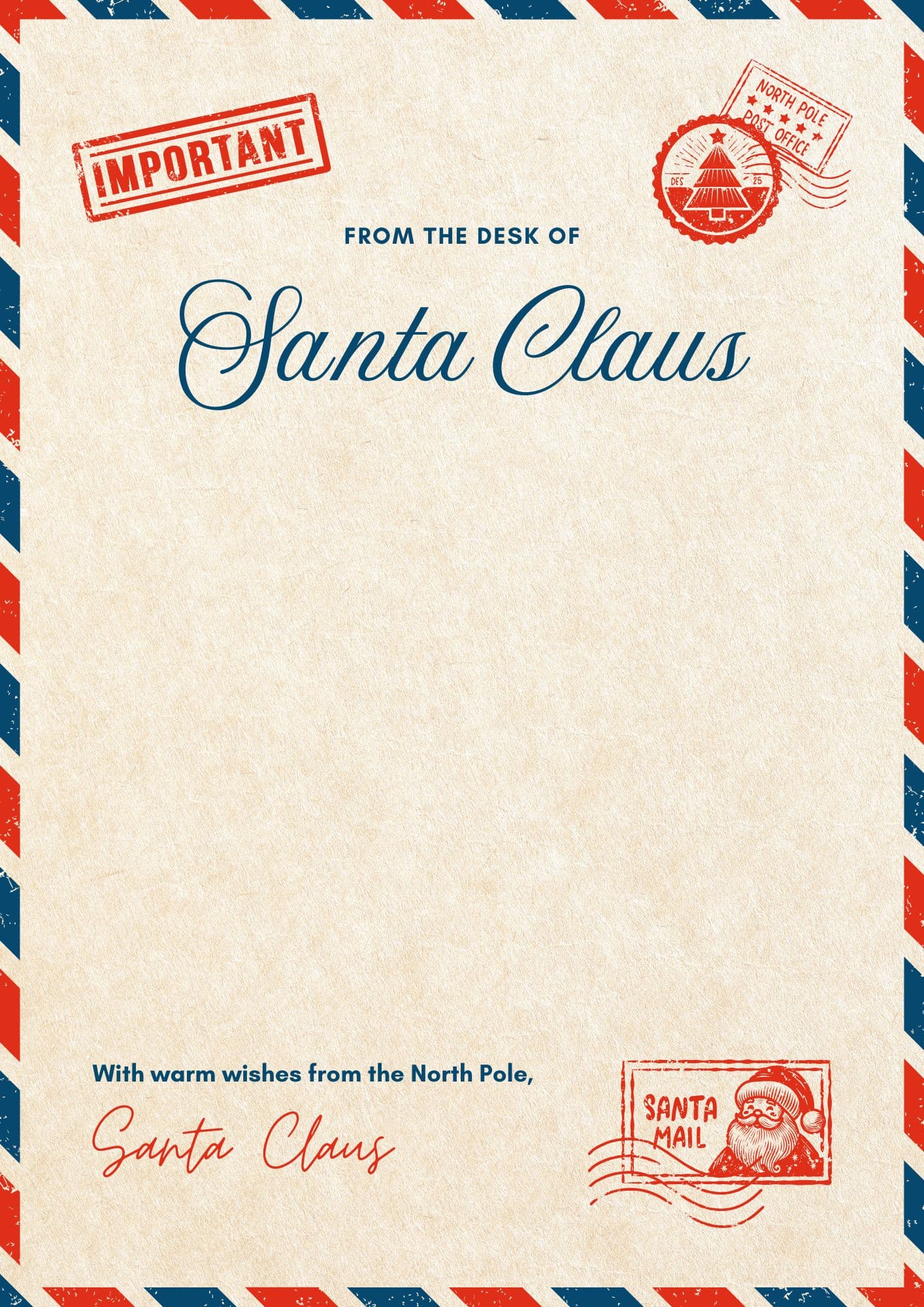
Incorporating a letter from Santa can make this tradition even more magical. Receiving a letter that acknowledges their efforts can be a profound motivator for children to keep up their good work. A personalized letter from Santa can serve as a keepsake, reminding them of the joy and warmth of the holiday season.
The Role of Santa's Nice List in Modern Christmas
In today's world, Santa's Nice List continues to play an important role in Christmas celebrations. It provides a positive framework for children to understand the values of kindness and generosity. Despite the changes in holiday traditions over the years, the Nice List remains a constant symbol of what the festive season is truly about. It serves as a reminder that the essence of Christmas is not just about receiving gifts but about spreading love, joy, and goodwill.
As Christmas becomes more commercialized, the Nice List offers a way to focus on non-materialistic values. It reminds families that the holiday is about more than just gifts; it's about sharing love and joy with others. Through activities centered around the Nice List, families can emphasize the importance of spending quality time together, appreciating each other's company, and performing acts of kindness.
Thus, the Nice List serves as a bridge connecting traditional values with modern sensibilities, ensuring that the spirit of Christmas remains intact for generations to come. It continues to evolve, adapting to technological advancements and cultural shifts, yet its core message of kindness and generosity endures. By keeping this tradition alive, families contribute to a legacy of love and compassion that transcends time and cultural boundaries.
Free download
Printable Letter From Santa + Nice List Certificate
Two beautiful keepsakes from the North Pole — a personalized-style letter from Santa and an official Nice List certificate. Enter your email and Santa will unlock both PDFs for you, free.
A paper letter can't say your child's name out loud
Santa can. Watch a 30-second example — he greets your child by name, city and their proudest moment of the year.
Get a video from Santa