Quick answer
- Christmas in Brazil blends Catholic traditions with local customs.
- Celebrations often include large family gatherings and feasts.
- Regional differences include unique foods and customs.
- Modern families adapt traditions to engage young children.
- Explore fun ways to involve kids in Brazilian Christmas rituals.
The History of Christmas in Brazil
Christmas in Brazil, known as 'Natal', is a rich tapestry of cultural influences, primarily rooted in its Catholic heritage. Introduced by Portuguese colonizers, these traditions have evolved, incorporating indigenous and African elements. Today, Christmas in Brazil is a vibrant celebration marked by religious ceremonies, family gatherings, and festive feasts. The story of Christmas in Brazil goes back further than most families realize.
The celebration of Natal dates back to the 16th century when Portuguese settlers brought European customs to Brazil. Over time, these traditions merged with local cultures, creating a unique Brazilian Christmas experience. The central theme remains the birth of Jesus, celebrated through Masses and nativity scenes.
One of the earliest influences was the 'Missa do Galo', or Midnight Mass, which symbolically represents the crowing of the rooster that announces the birth of Christ. As European settlers established communities, they brought with them the tradition of setting up nativity scenes, known locally as 'Presépios', which are now a common sight in homes and churches across Brazil.
During the colonial period, Brazilian Christmas celebrations were also influenced by African and indigenous cultures. African slaves, for instance, infused the festivities with music and dance, contributing to the lively spirit that characterizes Brazilian Christmas today. Indigenous peoples, on the other hand, introduced elements of their own spiritual practices, creating a rich, syncretic celebration.
How Brazilian Families Celebrate Christmas Today
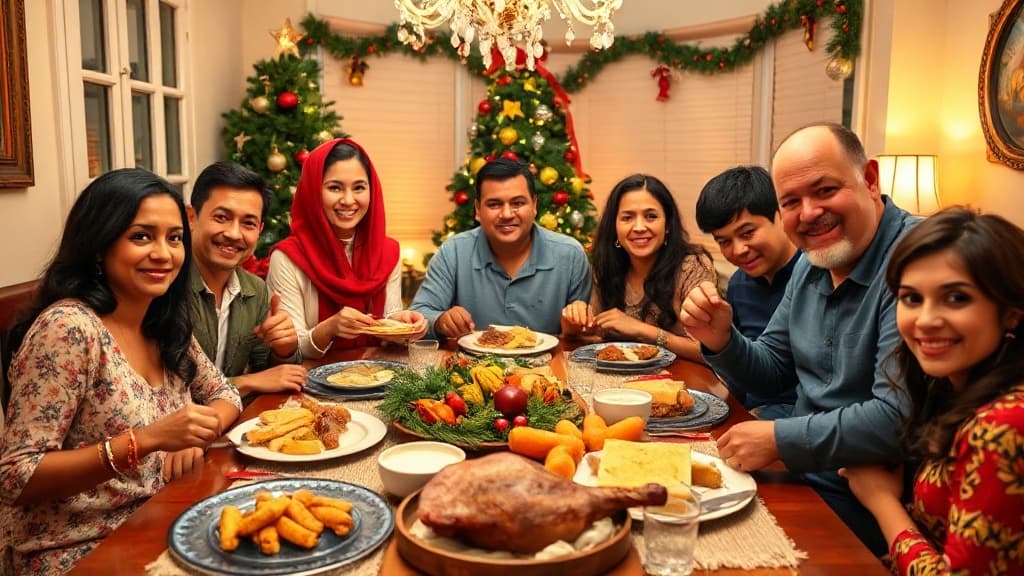
Today, families in Brazil celebrate Christmas with a mix of religious and secular traditions. The festivities often begin on December 24th with a 'Ceia de Natal'—a grand feast shared with family and friends. Midnight Mass, or 'Missa do Galo', is a popular tradition, symbolizing the birth of Jesus.
- Ceia de Natal: A festive dinner with dishes like roasted turkey, ham, and bacalhau (codfish).
- Missa do Galo: Midnight Mass attended by many Brazilian families.
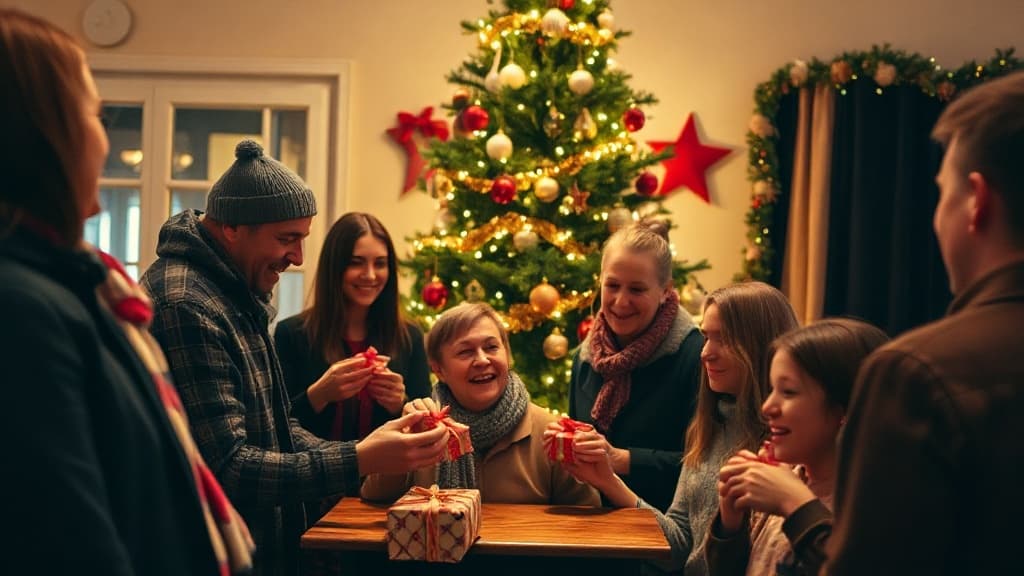
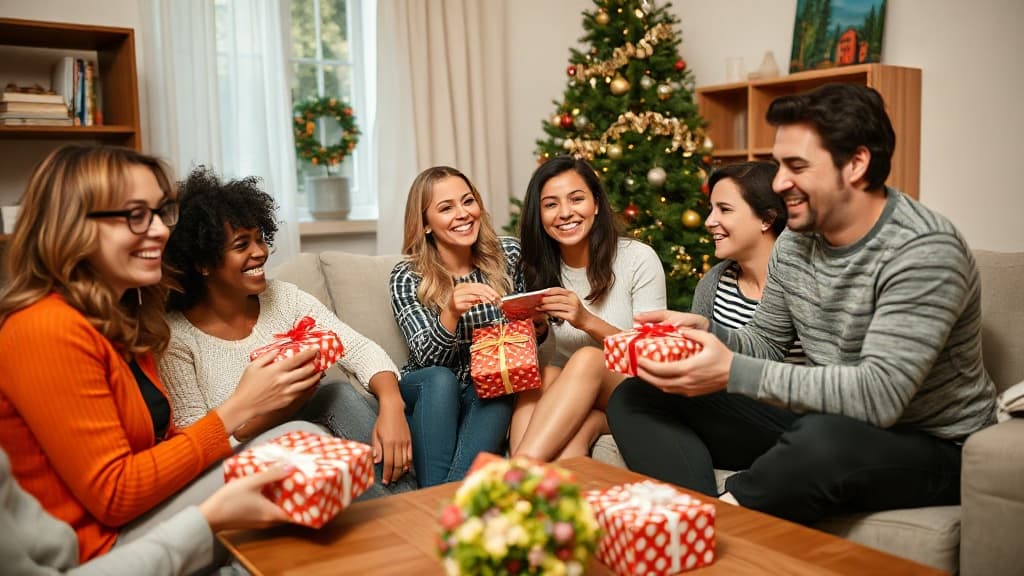
- Gift-giving: Exchanging gifts during or after the Christmas Eve feast.
The 'Ceia de Natal' is a culinary spectacle, often featuring a blend of traditional and contemporary dishes. Families gather around long tables laden with a variety of foods, including salads, savory pies, and rice dishes. The centerpiece is usually a roasted turkey or ham, often accompanied by 'farofa', a toasted cassava flour mixture that is a staple in many Brazilian meals.
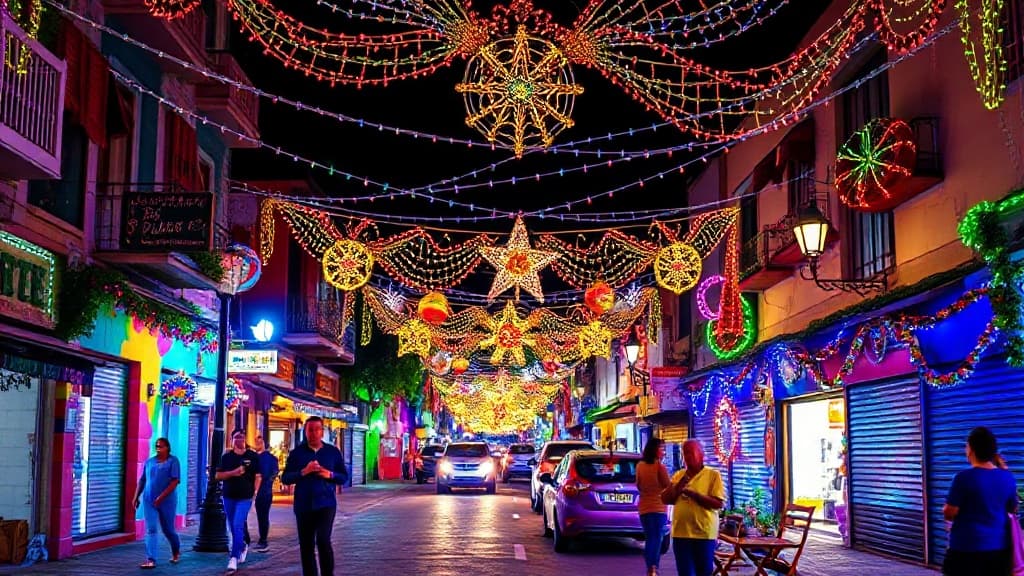
Another key aspect of Brazilian Christmas is the emphasis on communal celebration. Homes are decorated with lights and ornaments, and many families take to the streets to enjoy public displays of holiday lights. In some cities, large nativity scenes and Christmas parades draw crowds, adding to the festive atmosphere.
Make it magical with a video from Santa
Santa says your child's name, city and proudest achievement — in a real personalized video. Watch a free preview in 60 seconds.
Regional Differences in Brazilian Christmas Traditions
Brazil's vast geography results in diverse Christmas traditions across its regions. In the Northeast, 'Festa de Reis' extends the celebrations until January 6th with music and dancing. Meanwhile, Southern Brazil, influenced by European settlers, often features snow-themed decorations, despite the warm climate.
- Northeast: 'Festa de Reis' with folklore and traditional music.
- South: German and Italian influences with Christmas markets and winter motifs.
- Amazon: Indigenous and Afro-Brazilian influences in local celebrations.
In the Northeast, the 'Festa de Reis' is a vibrant celebration that reflects the region's folkloric traditions. Groups of musicians, known as 'Folia de Reis', travel from house to house, singing and playing instruments as they reenact the journey of the Three Wise Men to Bethlehem. This tradition not only extends the Christmas festivities but also strengthens community ties.
In Southern Brazil, the influence of German and Italian immigrants is evident in the region's Christmas customs. Cities like Blumenau and Gramado are famous for their European-style Christmas markets, where visitors can enjoy traditional foods, crafts, and entertainment. Despite the summer heat, these regions embrace winter motifs, with decorations featuring snowflakes, reindeer, and even artificial snow.
In the Amazon region, Christmas traditions are infused with indigenous and Afro-Brazilian elements. Celebrations often include colorful processions, dance performances, and the use of traditional instruments. The Amazon's unique biodiversity also inspires decorations made from local materials, such as palm fronds and seeds, adding a distinct local flavor to the festivities.
Traditional Brazilian Christmas Foods
Food plays a central role in Brazilian Christmas celebrations. The 'Ceia de Natal' features a variety of dishes influenced by different cultures. Staples include turkey, ham, and 'farofa'—a toasted cassava flour mixture. Desserts like 'rabanada' (similar to French toast) and 'panettone' are also popular.
- Turkey and Ham: Often served with fruit sauces.
- Bacalhau: A codfish dish, a nod to Portuguese roots.
- Farofa: A versatile side dish made with cassava flour.
The 'Ceia de Natal' is not only a feast for the palate but also a feast for the eyes. Tables are adorned with an array of colorful dishes, reflecting Brazil's diverse culinary traditions. Alongside the traditional roasted turkey, many families serve 'bacalhau', a salt cod dish that pays homage to Brazil's Portuguese heritage. This dish is often prepared with potatoes, olives, and boiled eggs, creating a rich and savory flavor profile.
Desserts hold a special place in the Brazilian Christmas feast. 'Rabanada', similar to French toast, is a sweet treat made by soaking slices of bread in milk and eggs, frying them until golden brown, and then dusting them with cinnamon and sugar. Another popular dessert is 'panettone', a sweet bread filled with dried fruits and nuts, which has become a staple of Brazilian Christmas celebrations since its introduction by Italian immigrants.
Adapting Brazilian Christmas Traditions for Kids
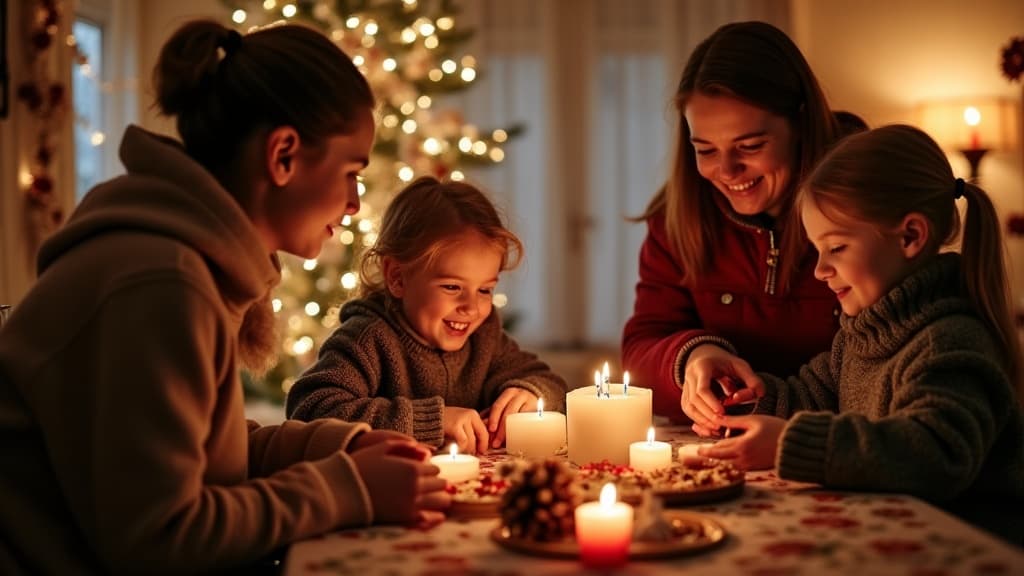
To involve young children in Christmas celebrations, families often adapt traditions to include fun and engaging activities. Crafting handmade decorations, baking holiday treats, and storytelling are popular ways to capture children's imagination. Consider creating a personalized letter from Santa to add magic to their experience.
- Crafts: Making ornaments and decorations with kids.
- Baking: Involving children in preparing Christmas treats.
- Storytelling: Sharing Christmas stories and legends.
Crafting is a favorite activity among Brazilian families during the Christmas season. Children can create their own ornaments using materials such as paper, glue, and glitter. Popular crafts include paper snowflakes, stars, and angels, which can be used to decorate the Christmas tree or home.
Baking is another cherished tradition that allows children to participate in the Christmas preparations. Simple recipes for cookies and cakes can be a fun way to introduce kids to the joys of cooking. Parents can also encourage children to decorate their creations with colorful icing and sprinkles, adding a personal touch to the treats.
Storytelling is a powerful way to engage children's imaginations and teach them about the significance of Christmas. Families can share traditional Christmas stories, such as the nativity tale, or explore local legends and folktales that highlight the spirit of giving and kindness.
Modern Twists on Traditional Celebrations
While traditional elements remain, modern Brazilian families often incorporate contemporary influences into their Christmas celebrations. This can include international dishes, online gift exchanges, and virtual chats with Santa for a global touch. These adaptations ensure that Christmas remains a dynamic and inclusive celebration.
- International Cuisine: Incorporating dishes from other cultures.
- Virtual Gatherings: Using technology to connect with distant relatives.
- Santa Chats: Engaging children with virtual Santa experiences.
In recent years, Brazilian families have increasingly embraced international influences in their Christmas celebrations. Many households incorporate dishes from other cultures into their holiday menus, reflecting Brazil's diverse culinary landscape. Sushi, Italian pasta, and Middle Eastern dishes are just a few examples of how global flavors have found their way into Brazilian Christmas feasts.
Technology plays a significant role in modern Christmas celebrations. With families often spread across different cities or countries, virtual gatherings have become a popular way to connect during the holiday season. Video calls and online gift exchanges allow loved ones to share in the festivities, regardless of distance.
For children, virtual interactions with Santa Claus have become a magical addition to the Christmas experience. Many families arrange for their kids to have online chats with Santa, adding an element of wonder and excitement. These virtual encounters allow children to share their Christmas wishes and receive personalized messages from Santa, creating cherished holiday memories.
Free download
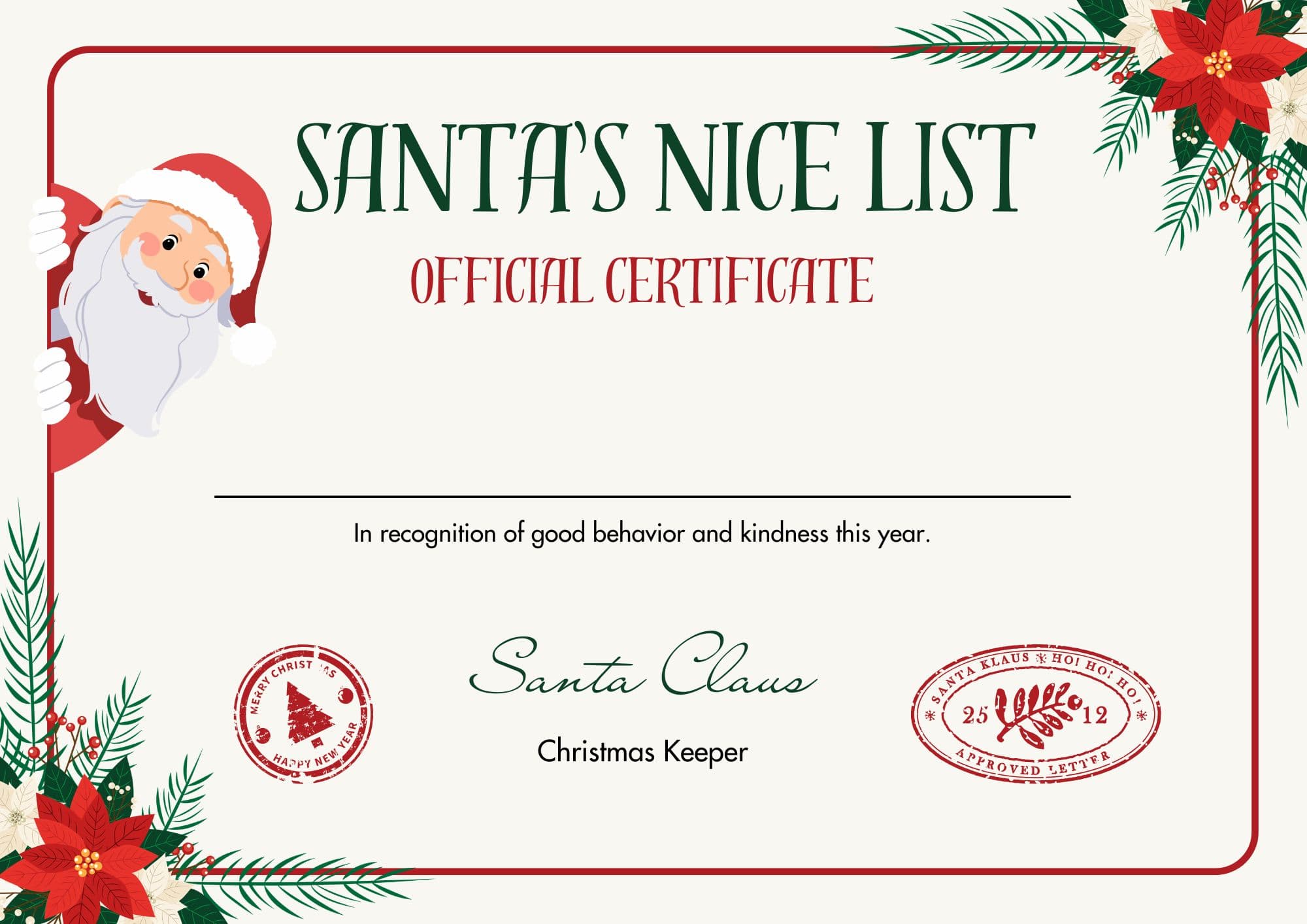
Printable Letter From Santa + Nice List Certificate
Two beautiful keepsakes from the North Pole — a personalized-style letter from Santa and an official Nice List certificate. Enter your email and Santa will unlock both PDFs for you, free.

A paper letter can't say your child's name out loud
Santa can. Watch a 30-second example — he greets your child by name, city and their proudest moment of the year.
Get a video from SantaWritten in Santa’s voice with AI help, then read and checked by a person before publishing.