Quick answer
- Mikołajki is celebrated on December 6th in Poland.
- It honors St. Nicholas, the patron saint of children.
- Traditions include gift-giving and special meals.
- Regional variations exist, adding unique local flair.
- Adapt for kids with personalized Santa letters.
Understanding Mikołajki: A Snapshot of the Tradition
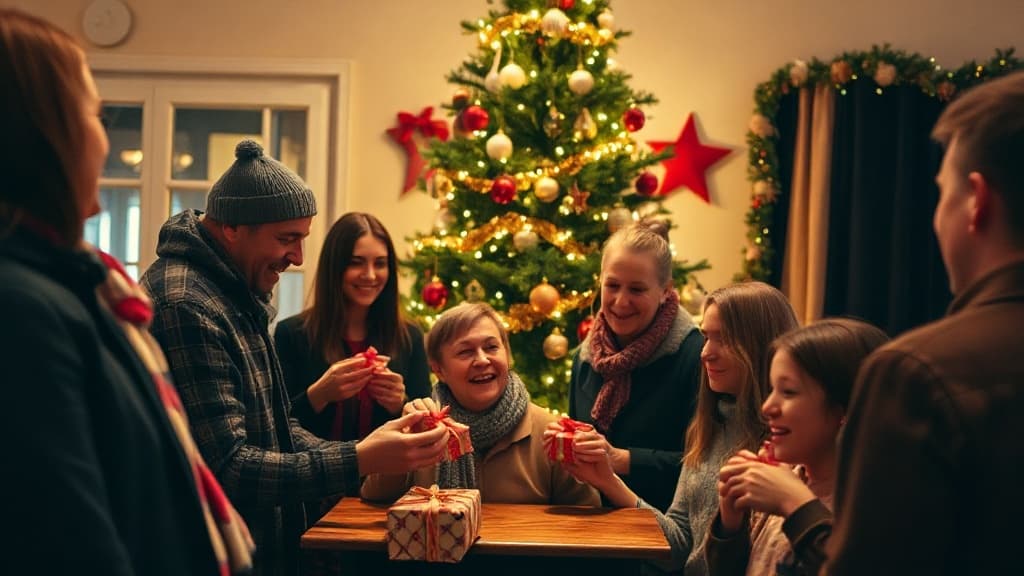
Mikołajki is a beloved Polish tradition celebrated on December 6th, commemorating St. Nicholas, the patron saint of children. It is a day marked by gift-giving and joy, reflecting the spirit of generosity. Families across Poland participate in various rituals that bring communities closer together. The day is often filled with laughter and the delightful sounds of children eagerly unwrapping presents, which are traditionally small and symbolic. The essence of Mikołajki lies in its ability to foster a sense of unity among family members, as they gather to share meals and stories, reinforcing bonds that often get overlooked in the hustle and bustle of daily life. Such gatherings often start with a family breakfast, where traditional Polish dishes like scrambled eggs with kielbasa or sweet pastries adorned with poppy seeds are served. This breakfast sets the tone for a day filled with warmth and togetherness, making Mikołajki a cherished event in Polish households.
A Brief History of Mikołajki
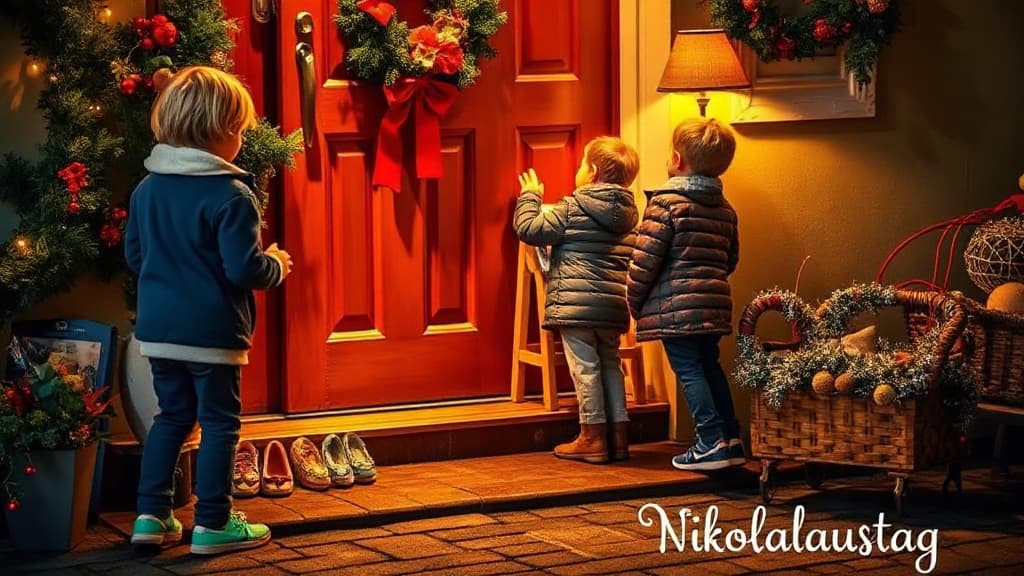
The roots of Mikołajki trace back to the early Christian era, honoring St. Nicholas of Myra, known for his generosity and miracles. Over the centuries, this day evolved into a cherished holiday. Traditionally, children would leave shoes out on the eve of December 5th, waking up to small gifts or sweets. This practice is deeply symbolic, representing the acts of kindness and charity that St. Nicholas was renowned for. In some households, the gifts found in shoes might include nuts, tangerines, or small toys, each carefully chosen to bring a smile to a child's face. The tradition has persisted through generations, adapting slightly with contemporary influences but remaining true to its core values of generosity and compassion.
Mikołajki has maintained its religious core but has also embraced secular elements. This duality makes it a rich tapestry of faith and festivity. For more historical context, see the Wikipedia article. The blending of religious and secular practices means that while some families might attend a special church service, others may focus on the social aspects, hosting gatherings that emphasize community spirit. This adaptability has allowed Mikołajki to endure through various social changes, keeping it relevant and beloved across Poland. The holiday serves as a prelude to Christmas, setting a festive mood that builds anticipation for the more extensive celebrations to come.
Make it magical with a video from Santa
Santa says your child's name, city and proudest achievement — in a real personalized video. Watch a free preview in 60 seconds.
How Polish Families Celebrate Mikołajki Today
Today, Mikołajki celebrations vary widely but often include a blend of family gatherings, gift exchanges, and special meals. Traditional foods like pierogi and kutia are common, creating a feast that warms both the heart and the stomach. The preparation of these dishes is often a family affair, with children helping to mix dough or shape dumplings, turning the kitchen into a hub of activity and laughter. Pierogi, filled with a variety of ingredients such as cheese, potatoes, or mushrooms, are a staple that symbolizes the rich culinary heritage of Poland. Kutia, a sweet grain pudding made with wheat, honey, poppy seeds, and nuts, is another dish that holds cultural significance, often served as a reminder of the prosperity and abundance hoped for in the coming year.
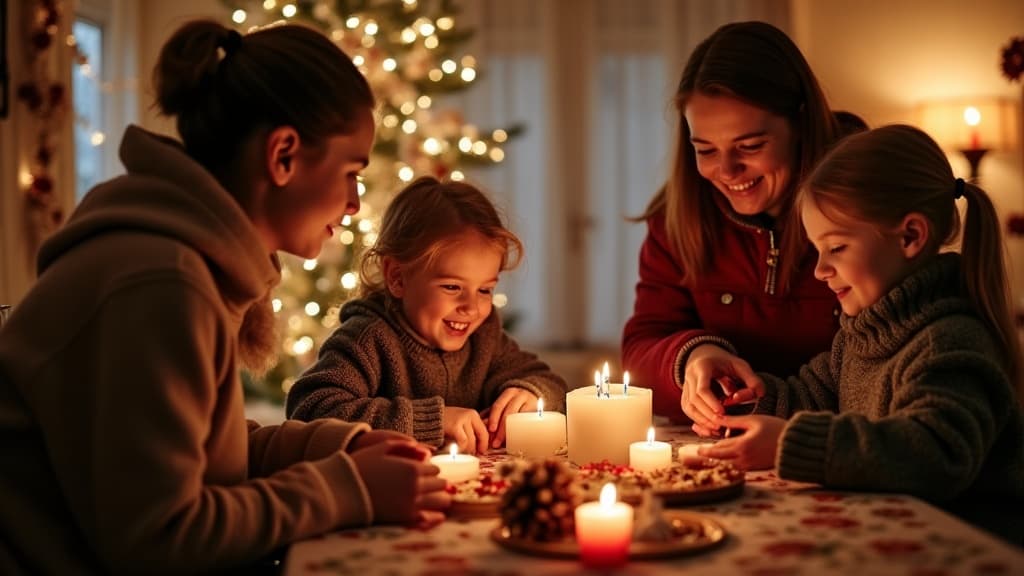
Many families also use this opportunity to decorate their homes, with an emphasis on candles and handmade ornaments. Schools often host plays and events to teach children about St. Nicholas' legacy, reinforcing the values of kindness and sharing. These plays are usually vibrant with costumes and music, capturing the imagination of young audiences while imparting valuable lessons about the virtues of generosity and empathy. At home, decorations might include intricately designed paper snowflakes or hand-painted baubles, each crafted with care and creativity. The act of decorating becomes a communal activity, inviting participation from all family members and transforming the home into a festive sanctuary.
Regional Differences in Mikołajki Celebrations
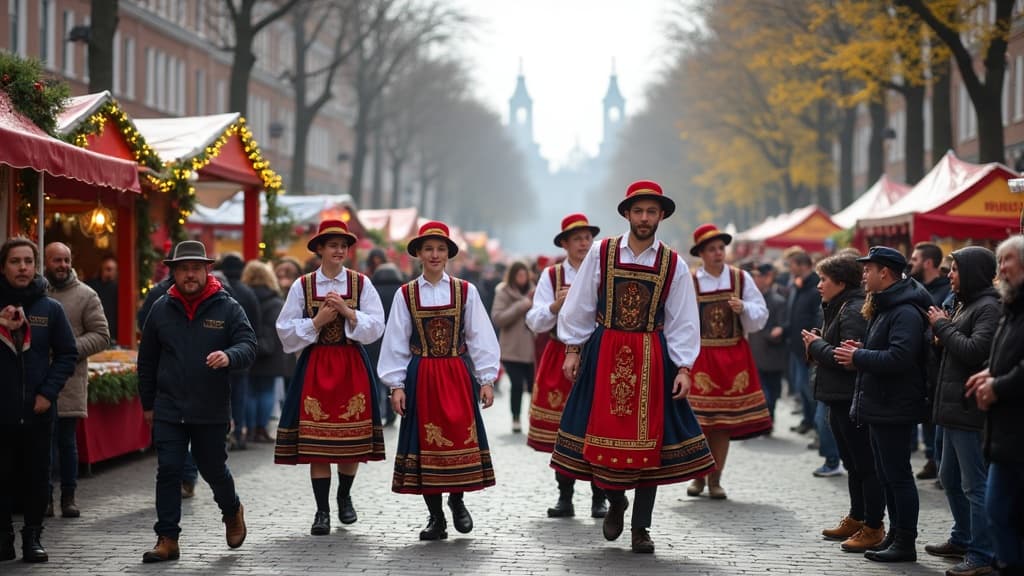
While Mikołajki is celebrated nationwide, regional differences add unique flavors. In the city of Gdańsk, for example, public parades and local markets are a highlight, while in Podlasie, folk dances and songs celebrate the cultural heritage. The parades in Gdańsk are a spectacle of color and sound, with participants donning elaborate costumes inspired by historical and mythical figures. These events draw crowds from across the region, creating a sense of communal pride and shared excitement. Meanwhile, the local markets brim with handmade crafts, traditional foods, and seasonal decorations, offering visitors a chance to immerse themselves in the festive atmosphere.
In some southern regions, the tradition of 'Gwiazda' involves children going door-to-door, singing carols in exchange for treats. This mirrors the tradition of caroling found in other parts of Europe. The songs sung during 'Gwiazda' are often passed down through generations, preserving the linguistic and musical heritage of the area. Children, dressed in warm layers and carrying stars on poles, bring joy to each household they visit, spreading holiday cheer and a sense of nostalgia for simpler times. This practice not only celebrates the festive season but also fosters a spirit of camaraderie and goodwill among neighbors.
Tips for Celebrating Mikołajki with Family
- Plan a special breakfast with Polish dishes like naleśniki (crepes).
- Organize a family storytelling session about St. Nicholas' life.
- Engage kids in making homemade decorations.
- Set up a mini treasure hunt with small gifts and treats.
- Attend local Mikołajki events or parades to connect with community traditions.
- Create a scrapbook of Mikołajki memories, adding photos and notes each year.
- Host a Mikołajki-themed movie night with films that highlight themes of generosity and kindness.
- Volunteer as a family to help those in need, embodying the spirit of St. Nicholas.
Free download
Printable Letter From Santa + Nice List Certificate
Two beautiful keepsakes from the North Pole — a personalized-style letter from Santa and an official Nice List certificate. Enter your email and Santa will unlock both PDFs for you, free.
A paper letter can't say your child's name out loud
Santa can. Watch a 30-second example — he greets your child by name, city and their proudest moment of the year.
Get a video from SantaWritten in Santa’s voice with AI help, then read and checked by a person before publishing.