Quick answer
- Nikolaustag is celebrated on December 6th to honor St. Nicholas.
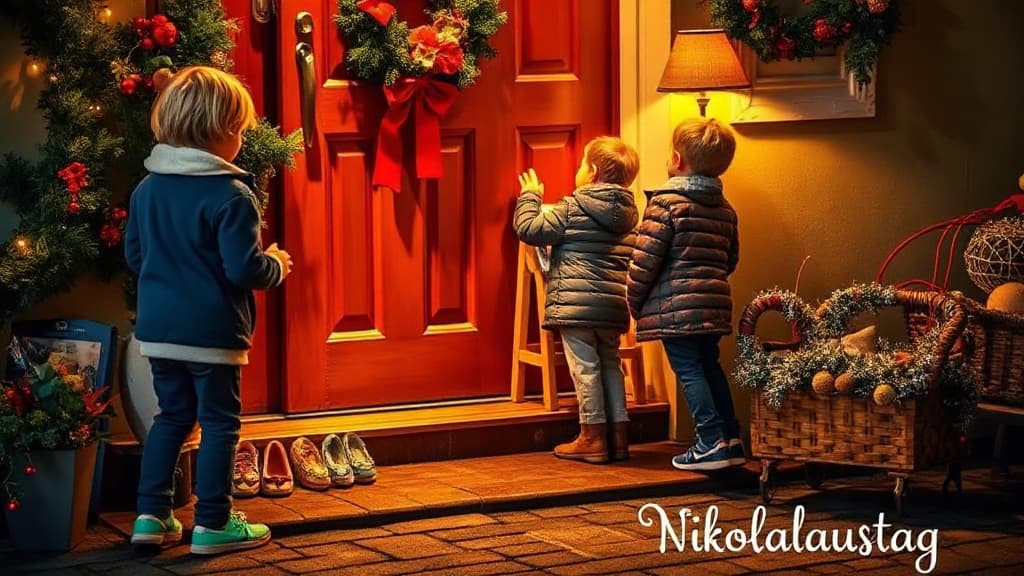
- Families place shoes out for St. Nicholas to fill with treats.
- The tradition varies across Germany with unique regional customs.
- Incorporate storytelling and small gifts for kids.
- Adapt Nikolaustag for kids with creative activities and crafts.
What Nikolaustag is
Nikolaustag, celebrated on December 6th, honors St. Nicholas, a beloved figure known for his generosity. Families engage in this tradition by placing shoes outside their doors for St. Nicholas to fill with treats, such as candies and small gifts. This charming custom is deeply embedded in German culture and varies regionally, offering unique twists and celebrations. For instance, children may find their shoes filled with chocolate coins, symbolizing wealth and prosperity, or small toys meant to spark joy and imagination. The story of Saint Nicholas Day goes back further than most families realize.
St. Nicholas, the inspiration for modern-day Santa Claus, was a 4th-century bishop known for his acts of kindness. His legacy has evolved into a festive day where children eagerly anticipate his visit. Across Germany, Nikolaustag is marked by a blend of folklore, religious significance, and festive activities, making it a cherished day for families. The tradition also serves as a moral lesson, reminding children of the virtues of kindness and generosity. In some households, parents use this occasion to discuss the values that St. Nicholas embodied, such as compassion for the less fortunate.
The History of Nikolaustag
The origins of Nikolaustag date back to the early Christian church, celebrating St. Nicholas of Myra. Known for his piety and generosity, St. Nicholas became the patron saint of children and sailors. The tradition of Nikolaustag began in the Middle Ages, where he was celebrated as a gift-giver and protector of the innocent. Historical texts recount numerous miracles attributed to St. Nicholas, such as saving sailors from shipwrecks and providing dowries for impoverished girls, which further cemented his legacy as a benefactor.
Over centuries, stories of St. Nicholas's miracles spread across Europe, solidifying his status as a cherished figure. In Germany, Nikolaustag became a day for children to receive small gifts, influenced by the saint's legendary acts of kindness. The day has also evolved to include community events where people gather to share stories of St. Nicholas's life, deepening the communal bond. This historical evolution has shaped Nikolaustag into a festive prelude to Christmas, a time when families come together to celebrate shared values and traditions.
Make it magical with a video from Santa
Santa says your child's name, city and proudest achievement — in a real personalized video. Watch a free preview in 60 seconds.
Modern Celebrations of Nikolaustag
Today, Nikolaustag is celebrated with delightful anticipation by children and adults alike. The evening of December 5th is when children polish their shoes, placing them by the door or windowsill, hoping to find them filled with treats the next morning. Common gifts include chocolates, nuts, and small toys. Some families have expanded the tradition to include personalized notes from St. Nicholas, offering words of encouragement or praise for good behavior, adding a personal touch to the celebration.
In many families, the day is marked by storytelling sessions where parents share tales of St. Nicholas's deeds. Some regions even host parades and events, with individuals dressed as St. Nicholas distributing gifts in person. These festivities not only honor tradition but also bring communities together. In certain towns, local bakeries offer special Nikolaustag-themed pastries, and markets sell handcrafted goods, making the day a community-wide celebration. Schools also participate by organizing plays and recitals that depict stories of St. Nicholas, fostering a sense of cultural continuity.
Regional Variations in Germany
Nikolaustag traditions can vary notably across Germany. In Bavaria, for instance, the Krampus, a mythical creature, accompanies St. Nicholas, adding a playful yet slightly spooky element to the celebrations. Children who misbehave might receive a visit from Krampus, often a friend in disguise, for a bit of fun. This element introduces a lighthearted sense of fear, which serves to remind children of the importance of good behavior throughout the year.
In contrast, regions like the Rhineland focus more on St. Nicholas's benevolent side, with festive markets and community gatherings. These variations reflect the rich tapestry of local customs, each adding their unique flair to the celebration of Nikolaustag. In some areas, choirs perform traditional songs dedicated to St. Nicholas, and local craftsmen create intricate wood carvings depicting scenes from his life, which are displayed in town squares. This diversity in celebration styles highlights the regional pride and cultural heritage that each community brings to the holiday.
Traditional Foods of Nikolaustag
Food plays a significant role in Nikolaustag celebrations. Gingerbread, or 'Lebkuchen', is a staple treat often found in children's shoes. These spiced cookies, sometimes heart-shaped and decorated, are a festive favorite. Additionally, 'Mandarinen' (mandarins) and 'Nüsse' (nuts) are traditional gifts, symbolizing abundance and prosperity. Another popular treat is the 'Stutenkerl', a sweet bread figure shaped like St. Nicholas, often enjoyed with a warm cup of cocoa.
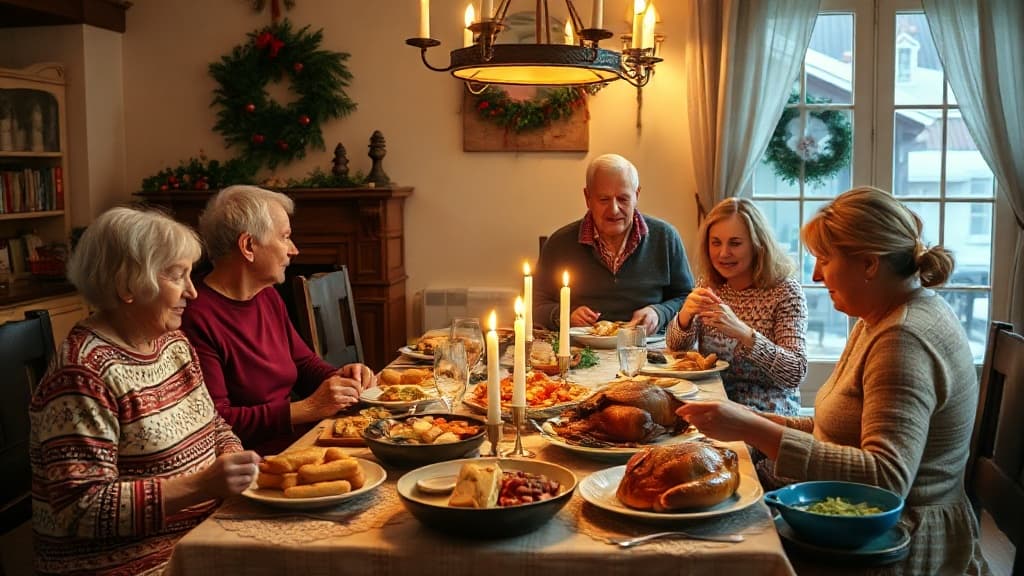
Families might also enjoy a hearty meal together, featuring dishes like roast goose or duck, especially in larger gatherings. These meals are an opportunity for families to come together, share stories, and create lasting memories around the dining table. Some families might prepare 'Rotkohl' (red cabbage) and 'Knödel' (dumplings) as side dishes, creating a feast that reflects both the season's bounty and the spirit of togetherness. The meal often concludes with a toast to St. Nicholas, expressing gratitude for the blessings of the past year.
Adapting Nikolaustag for Young Kids
Introducing young children to Nikolaustag can be a magical experience. Start by engaging them in the tradition of placing shoes for St. Nicholas. Encourage them to clean and decorate the shoes as an exciting prelude to discovering what's inside. This activity not only builds anticipation but also teaches responsibility and cleanliness.
Involve children in crafting activities, such as making St. Nicholas-themed decorations or cards. Reading stories about St. Nicholas's adventures can spark their imagination and deepen their understanding of the tradition. Consider enhancing the experience with a personalized letter from Santa or including them in creating a Christmas countdown to build excitement for the holiday season. These activities provide a hands-on approach to learning about cultural traditions, making the holiday more meaningful and engaging for young minds.
Free download
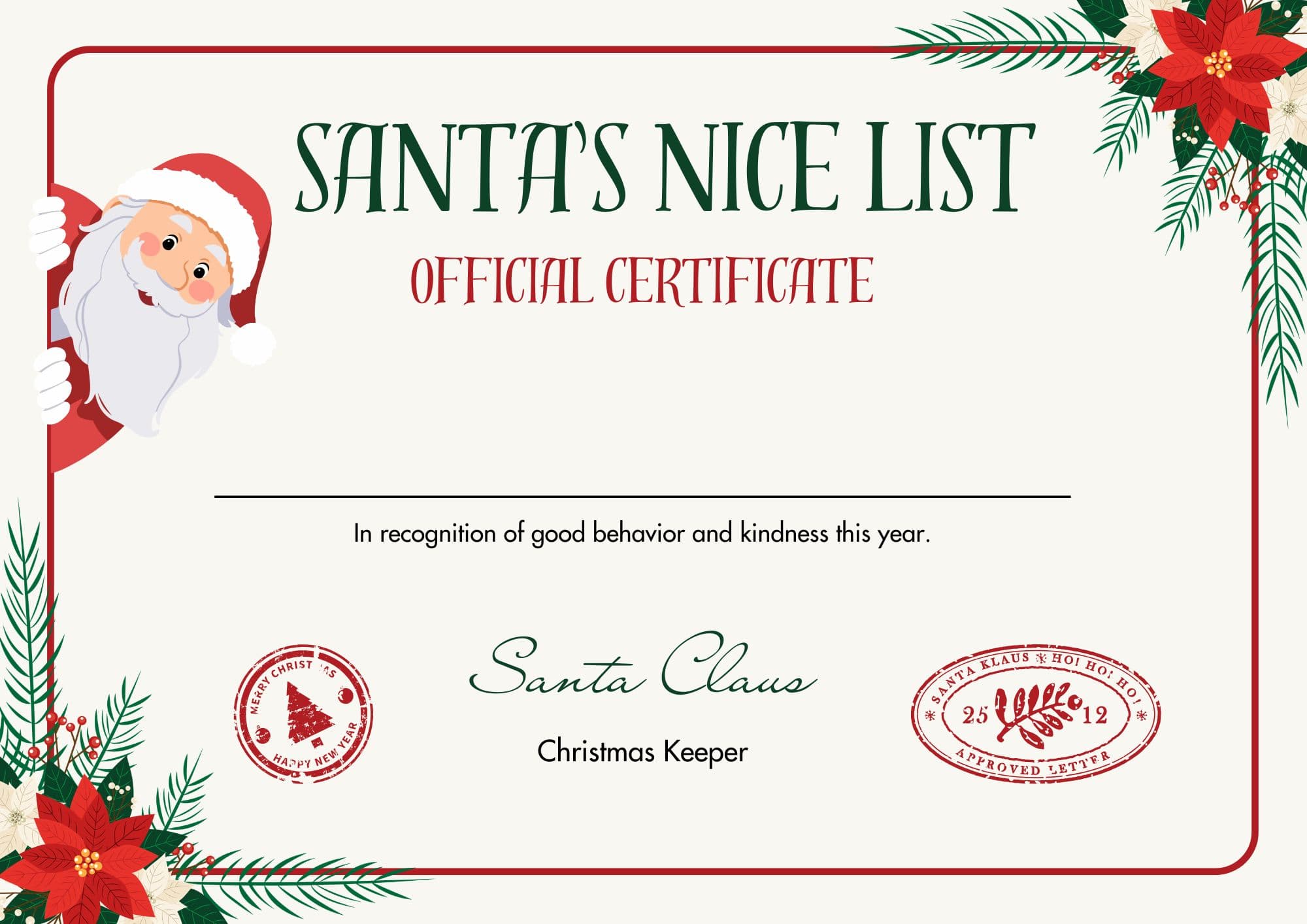
Printable Letter From Santa + Nice List Certificate
Two beautiful keepsakes from the North Pole — a personalized-style letter from Santa and an official Nice List certificate. Enter your email and Santa will unlock both PDFs for you, free.

A paper letter can't say your child's name out loud
Santa can. Watch a 30-second example — he greets your child by name, city and their proudest moment of the year.
Get a video from SantaWritten in Santa’s voice with AI help, then read and checked by a person before publishing.