Quick answer
- La Befana is celebrated on January 6th in Italy.
- She is a witch who delivers gifts to children, similar to Santa.
- Celebrations include sweets, special foods, and community events.
- Regional variations exist, offering diverse celebrations.
- Adapt it for kids by incorporating storytelling and crafts.
What is La Befana and Why is She Celebrated?
La Befana is a beloved Italian tradition celebrated on January 6th, coinciding with the Feast of the Epiphany. Known as Italy's 'Christmas witch,' La Befana visits children to fill their stockings with sweets and small gifts. This tradition blends folklore with the religious significance of the Epiphany, marking when the Magi visited the newborn Jesus. La Befana's character combines elements of the benevolent witch archetype with the familiar narrative of Santa Claus, creating a unique figure deeply entrenched in Italian culture. The story of Befana goes back further than most families realize.
According to legend, La Befana was asked by the Magi to join their journey to see the Christ child. Initially, she declined, but later had a change of heart. Unable to find the Magi, she now travels the world on Epiphany Eve, delivering gifts to children in hopes of finding Jesus. This story, rich with cultural significance, has made La Befana a cherished figure in Italian households. Her tale is often recounted through children's books, puppet shows, and festive plays, ensuring that the legend remains alive in the hearts of young Italians.
Historical Roots of La Befana
La Befana's origins are deeply rooted in Italian folklore and pre-Christian traditions. The character of a wise, gift-giving woman predates the Christianization of Italy, with connections to Roman pagan rituals honoring the goddess Strenia. Strenia was associated with the New Year, and gifts were exchanged in her honor, a practice that may have influenced the modern tradition of La Befana. As Christianity spread, these traditions were absorbed and reinterpreted, leading to the current celebration of La Befana during the Epiphany.
The transformation of La Befana into a Christian figure is evident in her association with the Epiphany. This blending of pagan and Christian elements reflects Italy's rich cultural tapestry, where ancient customs meet religious observance. Over centuries, La Befana has evolved but remains a symbol of generosity and hope. In many ways, she embodies the spirit of Italian hospitality—welcoming, generous, and deeply rooted in tradition. The enduring nature of La Befana's story highlights the seamless integration of diverse cultural influences in Italy.
Make it magical with a video from Santa
Santa says your child's name, city and proudest achievement — in a real personalized video. Watch a free preview in 60 seconds.
Modern Celebrations of La Befana
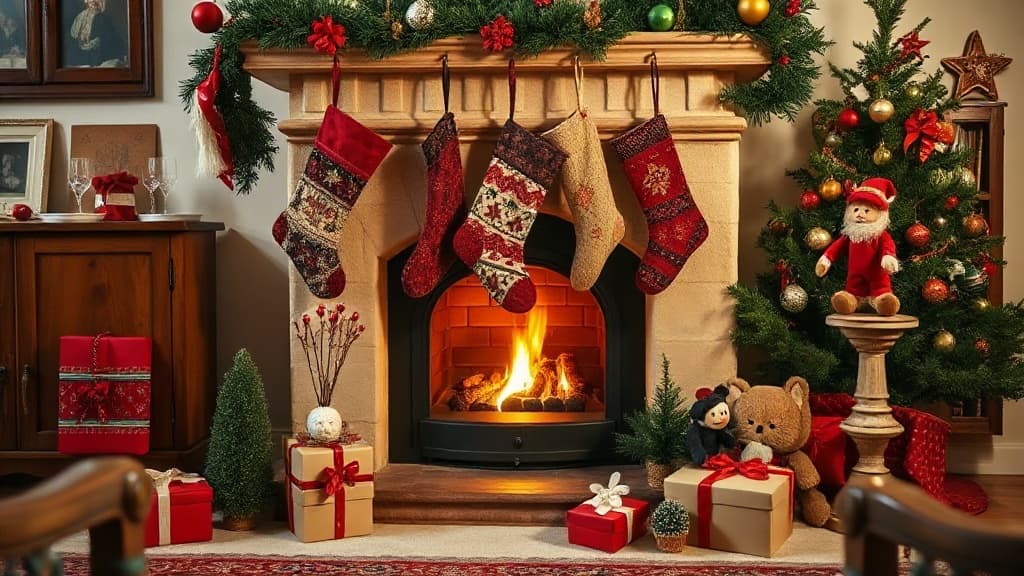
Today, La Befana is celebrated with great enthusiasm across Italy. On the night of January 5th, children hang stockings by the fireplace in anticipation of her visit. In the morning, they find sweets, chocolates, and small gifts if they've been good, or coal if they've been naughty. This practice mirrors the Christmas tradition of Santa Claus but adds a distinct Italian flair with the use of 'carbone,' a special type of candy that resembles coal. Over time, this coal has become a beloved treat, often made of sugar or licorice.
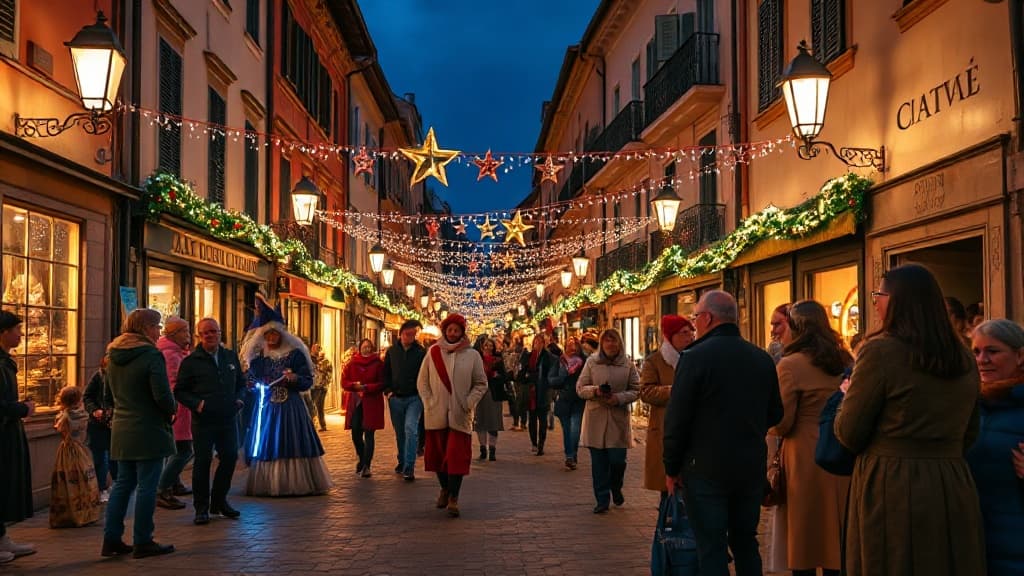
Communities host parades, fairs, and other festivities to honor La Befana. For instance, in Urbania, a town in central Italy, a grand festival features live music, street performers, and a procession with a woman dressed as La Befana distributing treats. Such events bring families together, fostering a sense of community and shared joy. In addition to Urbania, cities like Florence and Venice also host elaborate celebrations, with fireworks and public feasts that draw locals and tourists alike. These events not only celebrate La Befana but also highlight the communal spirit that characterizes Italian cultural events.
Regional Variations in La Befana Traditions
While La Befana is a nationwide tradition, its celebration varies by region. In Rome, for example, the Piazza Navona hosts a bustling Christmas market where La Befana is a central figure. Families gather to enjoy the festive atmosphere, complete with rides and puppet shows. This market has become a cherished tradition, attracting visitors with its lively stalls and the promise of festive cheer. Vendors sell La Befana-themed toys, decorations, and sweets, adding to the market's vibrant character.
In the Veneto region, a bonfire tradition known as 'Panevin' involves burning effigies of La Befana to symbolize the end of the holiday season and the renewal of the new year. These regional nuances add a rich layer of diversity to the way La Befana is celebrated across Italy. In Liguria, another unique tradition involves the 'Befana del Porto,' where La Befana arrives by boat, distributing gifts to children along the harbor. Each region's unique twist on the tradition reflects local customs and history, making La Befana a truly national celebration with deeply local roots.
Foods Associated with La Befana
Food plays a central role in La Befana celebrations. Traditional sweets like 'Befanini,' sugar cookies shaped like stars and Befana herself, are popular treats. These cookies are often shared among family and friends, embodying the spirit of generosity. Recipes for Befanini vary by region, with some incorporating citrus zest or anise seeds to reflect local flavors. The preparation of these cookies often becomes a family activity, with children and adults working together to cut and decorate the dough.
In some regions, special breads and cakes are prepared, often containing hidden trinkets or charms, adding an element of surprise. These culinary customs not only satisfy the sweet tooth but also strengthen family bonds through shared meals and baking activities. For example, the 'fava dei morti,' a type of almond cookie, is commonly associated with La Befana in some parts of Italy, linking the tradition to broader themes of remembrance and celebration. Through these foods, families celebrate not only La Befana but also the joy of coming together to share in the holiday spirit.
Adapting La Befana for Young Kids
To introduce La Befana to young children, storytelling can be a magical way to engage their imaginations. Share the legend of La Befana and her endless search for the Christ child, emphasizing themes of kindness and generosity. Picture books and interactive storytelling apps can provide engaging ways to bring La Befana's story to life, making it accessible to children of all ages. Incorporating creative elements like puppetry or simple costumes can further enrich the storytelling experience.
Craft activities, like making Befana-themed decorations or baking cookies together, can also bring the tradition to life. Consider creating personalized letters from Santa that mention La Befana, adding an element of surprise and delight to your family's holiday traditions. Additionally, organizing a 'Befana Hunt,' where children search for small gifts hidden around the house, can add excitement to the celebration. Integrating La Befana into broader holiday activities, such as a Christmas countdown, can weave her story seamlessly into your family's festive traditions, ensuring that the magic of La Befana is both educational and entertaining.
Free download
Printable Letter From Santa + Nice List Certificate
Two beautiful keepsakes from the North Pole — a personalized-style letter from Santa and an official Nice List certificate. Enter your email and Santa will unlock both PDFs for you, free.
A paper letter can't say your child's name out loud
Santa can. Watch a 30-second example — he greets your child by name, city and their proudest moment of the year.
Get a video from SantaWritten in Santa’s voice with AI help, then read and checked by a person before publishing.