Quick answer
- Classic choices include chocolate chip, sugar, gingerbread, and snickerdoodle cookies.
- Leave two or three small cookies, a drink, and a note from the children.
- Choose sturdy, low-crumb cookies that can sit safely for a few hours.
- For allergies, use clearly labeled alternatives and leave a simple ingredient note.
- Add carrots, oats, or water for Santa's reindeer if your family enjoys that tradition.
What Cookies to Leave for Santa: The Quick Answer
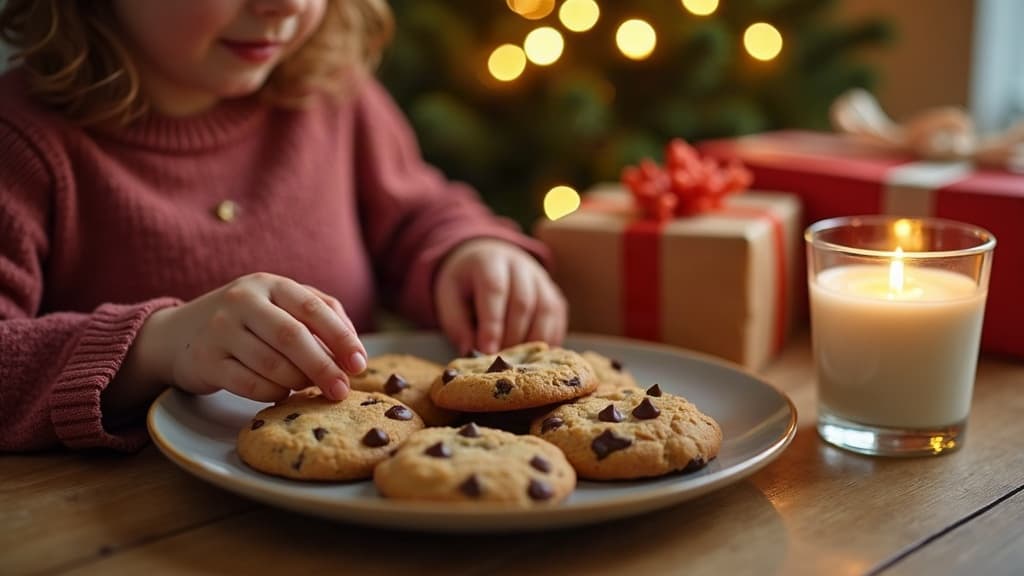
The best cookies to leave for Santa are familiar, easy-to-eat treats such as chocolate chip, sugar, gingerbread, oatmeal raisin, or snickerdoodle cookies. Put two or three small cookies on a plate with milk, cocoa, coffee, or water, depending on your family's tradition and the story your children have built around Santa.
The goal is not a perfect dessert spread. It is a Christmas Eve ritual children can help prepare and repeat each year. A small plate, a handwritten note, and a few crumbs can make the scene feel more convincing than an elaborate buffet. The adult who handles the setup also avoids creating a mountain of leftovers at midnight.
A simple Santa plate
- Two or three cookies per child, or four to six cookies for the whole family.
- One small glass of milk, water, cocoa, or another family-approved drink.
- A napkin and a handwritten note from the children.
- A carrot, apple slice, or oats for the reindeer, if desired.
- A small plate placed away from candles, heaters, stairs, and pet access.
Children can write a letter before bedtime and pair it with a letter from Santa. Keep the food choice relaxed. Santa's visit is about generosity, anticipation, and family connection, not culinary performance. A store-bought cookie selected by a child can carry as much meaning as a batch baked from scratch.
Why Do We Leave Cookies for Santa?
Leaving food for Santa combines older hospitality customs with the modern Christmas Eve ritual. In parts of Europe, families historically welcomed Saint Nicholas or other winter gift-bringers with food and drink. The American image of Santa Claus developed from several traditions, including Saint Nicholas, Dutch Sinterklaas, and English Father Christmas. The Santa Claus tradition explains how these influences came together.
Cookies and milk became especially recognizable in the United States during the twentieth century. The custom also gained emotional meaning during the Great Depression, when children were encouraged to leave treats for Santa as an act of sharing rather than simply expecting gifts. Exact family practices vary, but the central idea is straightforward: children offer something to a visitor who travels through the night bringing presents.
What children learn from the tradition
- Hospitality: A guest should be welcomed with care.
- Gratitude: Children can thank Santa for visiting and for the thought behind gifts.
- Generosity: The treat is something given, not something demanded.
- Ritual: Repeating the same steps each year creates a meaningful family memory.
- Imagination: A tiny plate turns a Christmas story into a hands-on activity.
You do not need to follow one historical rule. Some families leave food on December 24, while others begin the tradition on December 25 morning or during a neighborhood Santa celebration. Some leave a snack for Santa's reindeer, and some leave only a note. The best version is the one that fits your household and welcomes every child.
Make it magical with a video from Santa
Santa says your child's name, city and proudest achievement — in a real personalized video. Watch a free preview in 60 seconds.
Best Cookies to Leave for Santa
Choose cookies that are recognizable, sturdy, and easy to portion. Santa is usually imagined as traveling quickly from house to house, so a cookie that holds its shape and does not crumble across the floor makes practical sense. Homemade cookies are wonderful, but store-bought or bakery cookies work just as well when the kitchen is already busy with wrapping, travel, or bedtime.
Classic choices with practical pros and cons
- Chocolate chip: Familiar and popular. It can leave melted chocolate on a napkin if served warm.
- Sugar cookies: Easy to decorate and personalize. Frosting may become sticky or messy overnight.
- Gingerbread: Seasonal, sturdy, and fun to cut into stars or people. Strong spices may not suit every child.
- Snickerdoodles: Soft, cinnamon-sugar coated, and simple to bake. They can dry out if left uncovered.
- Oatmeal raisin: Hearty and less fragile than many iced cookies. Raisins may not appeal to every child.
- Shortbread: Neat, buttery, and low in crumbs. It can be harder for young children to decorate.
- Peppermint or chocolate cookies: Festive and rich. They may be less suitable for younger children or sensitive palates.
Consider your child's favorite rather than choosing the cookie most associated with Santa. A child who dislikes chocolate may feel more included when Santa receives a decorated sugar cookie, a cinnamon cookie, or even a small homemade muffin. If several children are participating, put different varieties on the plate so each child has a clear choice.
For a personal touch, let children cut cookies into stars, snowflakes, bells, or reindeer. Avoid oversized shapes that are difficult to finish and easy to break. Two small cookies often create a better ritual than one giant cookie with a conspicuous bite missing. Older children can decorate with icing; younger children can press sprinkles into the dough before baking.
Texture matters as much as flavor. A firm gingerbread person, shortbread round, or baked sugar cookie can sit on a plate for several hours without collapsing. Soft sandwich cookies, cream-filled pastries, and heavily frosted designs need more care, especially in a warm room. If you are baking ahead, store the cookies in an airtight container and plate them only after they have cooled completely.
How Many Cookies and What Drink Should Santa Get?
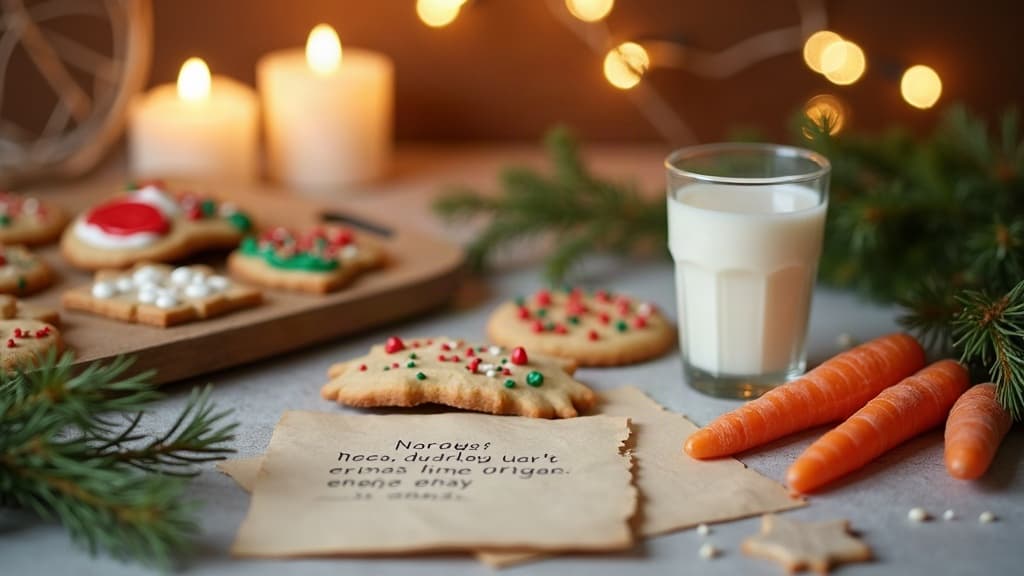
There is no official number of cookies Santa must receive. A useful guide is two or three small cookies for each child, or four to six cookies total for a family. This amount looks generous without creating a large food-waste problem. If children want to leave more, place the extras in a covered container and explain that Santa can take some for later.
Choose the drink together
- Milk is the classic American choice and pairs well with chocolate chip or sugar cookies.
- Warm cocoa feels festive, but let it cool before bedtime and avoid leaving it where it can spill.
- Water is practical, especially after salty foods or in a warm home.
- Coffee can be part of the family story, but children may prefer to leave a small cup of cocoa instead.
- Apple cider gives the tradition a seasonal flavor and works well with gingerbread.
You can make the drink fit your family's story. Perhaps Santa prefers cocoa because he spends the night outdoors, or perhaps he appreciates water at every stop. Children often enjoy writing the answer in a note: “Dear Santa, we left you two gingerbread stars and cold milk. We hope you like them.” A child who dislikes milk can leave water or a small cup of their usual drink without changing the purpose of the tradition.
Keep hot drinks away from the edge of a table and never leave them near open flames. If your child is asleep before the plate is ready, an adult can handle the setup. A personalized video from Santa can reinforce the ritual by mentioning the cookies, the drink, or the children's thoughtful note during the evening, but no recording is necessary.
Use a small, stable cup rather than a large mug filled to the rim. It reduces spills and gives the plate a child-sized feel. If the drink contains dairy, clean it up in the morning rather than leaving it at room temperature for an extended period. An empty cup, a damp ring, or one small sip is enough evidence for the family story.
Allergy-Friendly and Inclusive Santa Treats
A Santa tradition should be safe and inclusive for every child. If anyone in the household has a food allergy, intolerance, diabetes, celiac disease, or another dietary need, choose a treat that the child can safely eat or prepare a clearly separate alternative. Do not rely on appearance. Read the full ingredient label and check for shared-equipment warnings when they matter. For a severe allergy, follow the family's existing medical guidance rather than improvising a recipe on December 24.
Safe planning ideas
- Use a family-tested gluten-free, dairy-free, egg-free, or nut-free recipe when needed.
- Place the safe treat on a clean plate with clean utensils.
- Keep the original packaging or write the ingredients on a small card for older children.
- Avoid unlabeled homemade cookies from neighbors if a severe allergy is involved.
- Give Santa the same safe treat as the child so the ritual feels shared.
- Choose fruit, popcorn, pretzels, or a favorite safe snack if cookies are not suitable.
If one child has a severe allergy, do not ask that child to trust a fictional visitor's food choices. Adults should decide what is safe. Santa can receive a drawing, a carrot, a sealed safe snack, or a note instead. The tradition does not depend on wheat, dairy, nuts, or any specific recipe. A labeled package can even become part of the setup: children can explain in their note that Santa should take the snack marked with their name.
Prevent cross-contact by washing hands, cleaning the counter, and using separate utensils when the household's allergy plan requires it. Keep cookies from a shared bakery case separate from a packaged alternative. If a child cannot eat the cookies left for Santa, give that child an equally special item to select and place. The goal is participation, not making one child watch everyone else eat.
Be equally thoughtful about cultural and religious differences. Some families celebrate Santa alongside other traditions, while others adapt the visitor, date, food, or wording. Invite children to explain what they want to leave and why. Their ownership matters more than copying a television version of Christmas. A family might leave dates, fruit, tea, or a favorite savory snack instead of a sugar cookie.
Christmas Eve Cookie Checklist and Santa Setup
A short checklist prevents the tradition from becoming a last-minute scramble. Prepare the food before children become overtired, and involve them in one or two safe tasks. Younger children can place napkins and draw pictures. Older children can help bake, count cookies, or write the note. If relatives are visiting, assign one adult to the plate so the plan does not disappear beneath dinner dishes and wrapping paper.
Printable-worthy checklist
- Choose one to three cookie varieties by December 23 or 24.
- Check ingredients and allergy information for every treat.
- Bake, buy, or thaw the cookies before the bedtime routine begins.
- Let cookies cool completely before placing them on a plate.
- Set out two or three cookies per child, unless your family uses a different tradition.
- Choose milk, water, cocoa, cider, or another suitable drink.
- Add a napkin and a handwritten note.
- Prepare a reindeer treat such as a carrot, apple slice, or small handful of oats.
- Place the plate on a stable surface away from heat and pets.
- Take a quick family photo before bedtime if everyone wants one.
- Clear the area safely after the children are asleep.
- Leave a few crumbs or an empty glass only if it suits your family's Santa story.
Keep the evidence believable but modest. An empty glass, a missing cookie, and a tiny note may be enough. If children leave six cookies, do not feel pressured to eat all six. Break one, take a bite, or move the extras to a container. The point is a shared story, not an impossible overnight feast. Save the remaining cookies for breakfast or Christmas Day dessert instead of throwing them away.
Families that enjoy tracking the days until Christmas can add the cookie plan to a Christmas countdown. Marking the baking day, decorating day, and Christmas Eve setup gives children small moments of anticipation without adding pressure. A simple plan might look like this: decorate on December 23, choose the drink on December 24 after dinner, and set out the plate immediately before brushing teeth.
Choose the location carefully. A low coffee table may be easy for children to reach but unsafe if pets can access it. A kitchen counter may be safer, provided the plate is away from the stove, toaster, and hot drinks. Avoid placing food beside candles, fireplaces, radiators, or electrical cords. Take the final photo before lights-out, then clear dairy drinks and other perishable food in the morning.
Common Santa Cookie Mistakes to Avoid
Most cookie problems are easy to prevent. The tradition works best when adults plan for safety, cleanup, and the child's expectations. Avoid making promises that require a complicated performance or leaving food in conditions that could create a hazard. A small, prepared gesture is better than an elaborate setup that leaves everyone stressed.
Pitfalls and better alternatives
- Leaving hot cocoa unattended: Serve it warm or cool, and place it well away from the edge.
- Using a food that will spoil quickly: Choose a small portion and clear it away promptly in the morning.
- Ignoring pets: Put the plate where dogs and cats cannot reach chocolate, raisins, or other unsafe foods.
- Creating too many crumbs: Use sturdy cookies and a napkin instead of very delicate pastries.
- Forcing a child to eat the traditional cookie: Let the child choose a safe favorite or leave a drawing.
- Leaving a huge bite: A small missing corner looks more natural and reduces waste.
- Making Santa's preferences too rigid: Children should be free to choose milk, water, or another drink.
- Forgetting siblings: Give each child a chance to select, decorate, or place something on the plate.
- Overexplaining the evidence: A simple story usually feels more convincing than a detailed script.
- Treating the ritual as a test: The plate should support wonder, not judge whether children behaved perfectly.
If the cookies are forgotten, improvise. Santa can receive crackers, fruit, a wrapped safe snack, or a handwritten promise to bake together the next day. A sincere explanation such as “The elves loved your drawing, and Santa saved the cookie for later” protects the fun without turning a small oversight into a crisis. Children are usually more interested in the note, the missing bite, and the morning discovery than in the exact brand of cookie.
Do not use the plate to reward or punish behavior. Santa can appreciate a note from a child who had a difficult day, and a child who does not believe in Santa can still participate by choosing a snack for the family. If a child asks why Santa receives food, answer honestly within your family's tradition: leaving a treat is a way to welcome a guest, show generosity, and mark the night before Christmas.
Free download
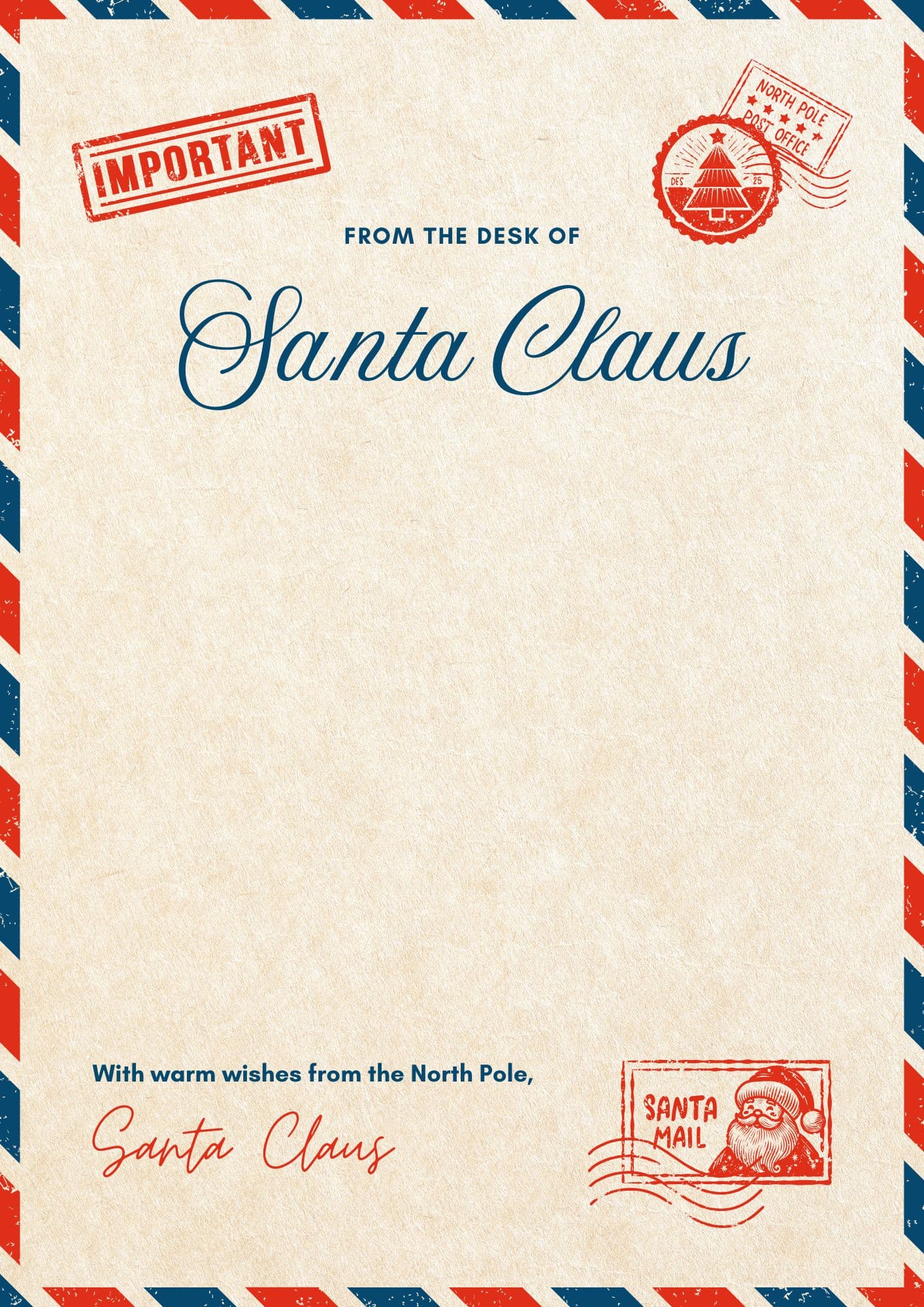
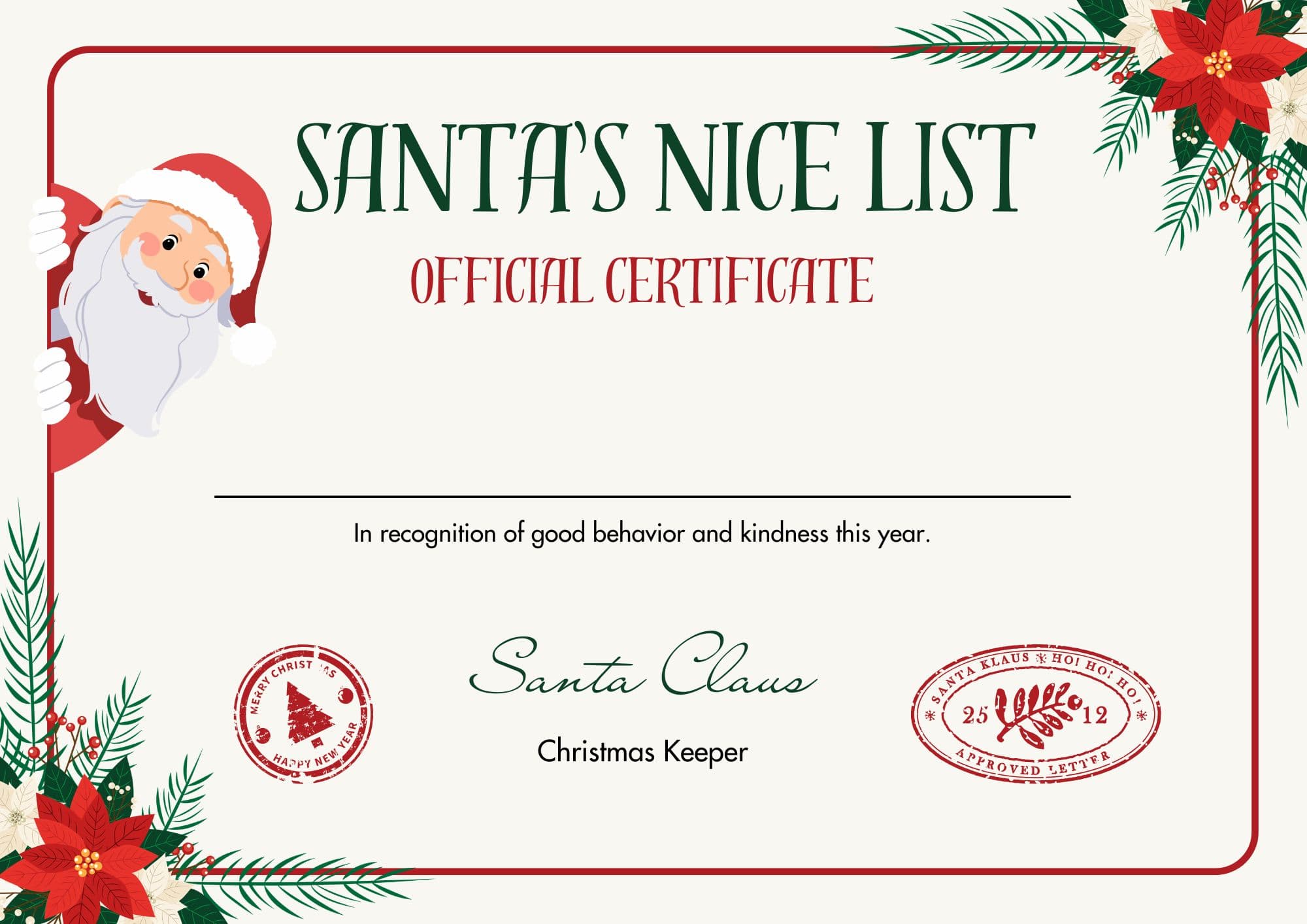
Printable Letter From Santa + Nice List Certificate
Two beautiful keepsakes from the North Pole — a personalized-style letter from Santa and an official Nice List certificate. Enter your email and Santa will unlock both PDFs for you, free.
A paper letter can't say your child's name out loud
Santa can. Watch a 30-second example — he greets your child by name, city and their proudest moment of the year.
Get a video from Santa