Quick answer
- Las Posadas is a nine-day Mexican celebration leading up to Christmas.
- It reenacts Mary and Joseph's search for shelter in Bethlehem.
- Families participate with processions, songs, and festive foods.
- Regional variations include unique foods and customs.
- Adaptations for kids can include crafts and interactive storytelling.
Understanding Las Posadas: A Mexican Christmas Tradition
Las Posadas is a cherished Mexican tradition that commemorates the journey of Mary and Joseph to Bethlehem. Celebrated over nine nights from December 16th to 24th, it involves community gatherings, processions, and festive activities. Participants reenact the couple's search for lodging, symbolizing the spirit of hospitality and faith. The story of Las Posadas goes back further than most families realize.
This tradition has deep roots in Mexican culture, blending indigenous practices with Spanish influences. Each night, families and friends gather to participate in processions, sing carols, and enjoy traditional foods. The celebration culminates on Christmas Eve with a joyful feast and midnight Mass.
The cultural significance of Las Posadas extends beyond its religious origins. It acts as a vital community event that brings neighborhoods together, fostering a sense of unity and shared cultural heritage. Through this communal participation, families strengthen bonds and pass down traditions to younger generations.
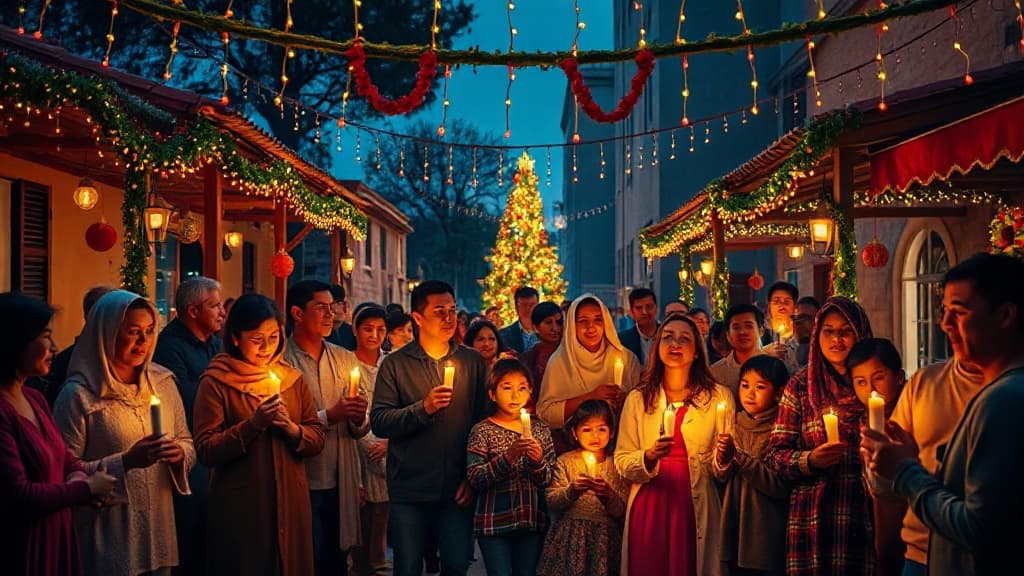
In many towns, the entire community participates, decorating streets and homes with vibrant lights and nativity scenes. These decorations often include paper lanterns and colorful banners that add to the festive atmosphere. Such visual elements are not just for aesthetics; they symbolize the light and hope that the birth of Jesus represents.
The History of Las Posadas
Las Posadas dates back to the 16th century when Spanish missionaries introduced it to Mexico as a way to teach the Christmas story. The word 'posada' means 'inn' or 'shelter,' reflecting the search of Mary and Joseph for a place to stay before the birth of Jesus. Over time, it evolved into a community-based event, integrating pre-Hispanic elements like the use of piñatas.
Originally, the celebration included scripture readings and church services, but it has since expanded to include lively processions and festive gatherings. This transformation reflects the blending of religious and cultural traditions, making Las Posadas a unique and vibrant part of Mexican heritage.
The introduction of piñatas is particularly interesting, as it represents a fusion of cultures. Piñatas were originally used in pre-Hispanic festivals and were later adapted to fit the Christian theme of Las Posadas. Traditionally, piñatas are star-shaped to represent the Star of Bethlehem, with seven points symbolizing the seven deadly sins. Breaking the piñata is a metaphor for overcoming sin and receiving the rewards of heaven, represented by the candies inside.
In addition to piñatas, other pre-Hispanic elements include the use of indigenous music and dances. These cultural adaptations have helped Las Posadas maintain its relevance and vibrancy in modern times, allowing it to evolve while still preserving its core message of faith and community.
Make it magical with a video from Santa
Santa says your child's name, city and proudest achievement — in a real personalized video. Watch a free preview in 60 seconds.
How Families Celebrate Las Posadas Today
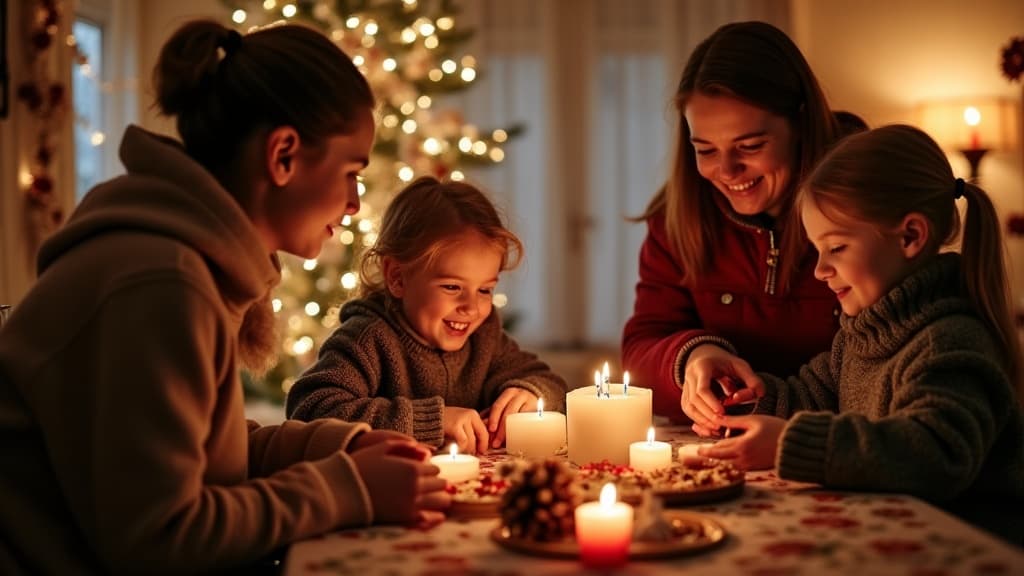
Today, Las Posadas is celebrated with a series of nightly processions, where participants carry candles and sing traditional songs. The procession stops at different houses each night, symbolizing the inns visited by Mary and Joseph. At each stop, the hosts welcome the group in for prayer, song, and refreshments.
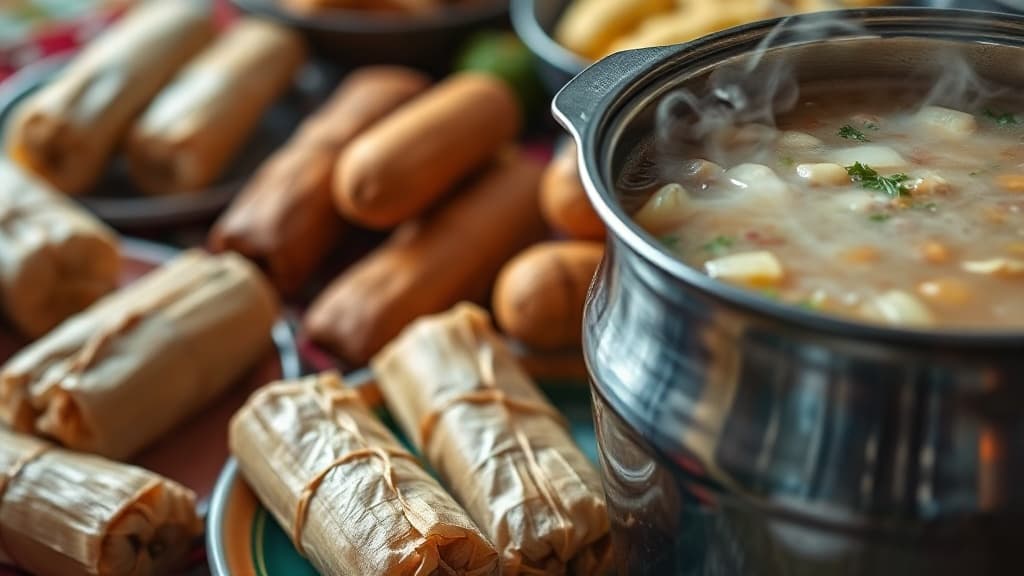
Traditional foods served during Las Posadas include tamales, ponche (a warm fruit punch), and buñuelos (fried dough pastries). The festivities often feature piñatas filled with candies and small toys, making them a highlight for children. These gatherings foster a sense of community and joy, embodying the spirit of the season.
In addition to these foods, households may prepare other traditional dishes such as pozole, a hearty stew made with hominy and meat, and atole, a warm, thickened beverage flavored with vanilla or cinnamon. These dishes are not only delicious but also serve to warm participants during the cool December nights.
For those interested in creating a holiday tradition that captures the heart of Christmas, consider including a letter from Santa to make the occasion even more magical. This can be a delightful surprise for children, adding a personal touch to the celebration.
The singing of traditional carols, known as villancicos, is another key element of Las Posadas. These songs are often accompanied by guitars and other instruments, adding to the festive atmosphere. Some families may also incorporate modern Christmas carols, blending old and new traditions seamlessly.
Regional Variations of Las Posadas
While Las Posadas is celebrated throughout Mexico, regional variations add unique flavors to the tradition. In some areas, the processions are elaborate, with participants dressed in costumes representing biblical characters. In others, the focus is more on the communal meal, with local specialties featured prominently.
For example, in the southern state of Oaxaca, tamales are often made with mole, a rich, spicy sauce, and served during the festivities. In contrast, in the northern regions, carne asada and sweet bizcochos are popular. These regional differences highlight the diversity of Mexican culture and the adaptability of Las Posadas.
In the Yucatan Peninsula, Las Posadas might include the use of maracas and trumpets in the musical processions, reflecting the local musical influences. Here, the celebration can also incorporate the Mayan heritage, with elements like traditional dances being incorporated into the festivities.
In urban areas, modern adaptations may include themed decorations and events in public squares, with food stalls offering both traditional and contemporary Mexican cuisine. This allows city dwellers to experience the richness of Las Posadas even in a bustling, modern environment.
Adapting Las Posadas for Young Kids
Adapting Las Posadas for children can make the tradition accessible and enjoyable for younger family members. Parents can involve kids in making simple crafts, like lanterns or star-shaped piñatas, which are integral to the celebration. Interactive storytelling sessions can also bring the story of Mary and Joseph to life.
Including children in the singing and procession helps them feel part of the event. Special activities, like decorating cookies or creating holiday cards, can engage their creativity. For a modern twist, consider using a Christmas countdown to build anticipation for the nightly events.
Educational activities can further enrich the experience for children. For instance, parents can organize a simple play where kids reenact the journey of Mary and Joseph, helping them understand the cultural and religious significance of Las Posadas. This can be both fun and informative, providing a deeper connection to the tradition.
To engage older children, parents might incorporate technology by creating digital invitations or using social media to document each night's festivities. This approach not only makes the event more relatable to tech-savvy kids but also allows families to share their traditions with a wider audience.
Free download
Printable Letter From Santa + Nice List Certificate
Two beautiful keepsakes from the North Pole — a personalized-style letter from Santa and an official Nice List certificate. Enter your email and Santa will unlock both PDFs for you, free.
A paper letter can't say your child's name out loud
Santa can. Watch a 30-second example — he greets your child by name, city and their proudest moment of the year.
Get a video from SantaWritten in Santa’s voice with AI help, then read and checked by a person before publishing.