

Quick answer
- Each participant draws one person and secretly buys that person one gift.
- Set the guest list, spending range, exchange date, and gift theme before drawing names.
- Use a fair name-drawing method and keep every assignment private.
- Agree on rules for handmade gifts, wish lists, gift cards, gag gifts, children, and missed participants.
- Label every gift with the recipient’s name, but not the giver’s name until the reveal.
Secret Santa Rules at a Glance
Secret Santa has four core rules: each participant receives one assigned recipient, buys one gift for that person, stays within the agreed spending range, and keeps the assignment private until the exchange. Before anyone draws a name, decide who is participating, how much gifts should cost, when presents are due, and whether the group will follow a theme. Those decisions prevent the most common disputes.
The organizer collects the final list, removes duplicate entries, and assigns each person one recipient. Nobody should draw their own name. Sealed paper slips work for a small gathering; a private online draw suits a remote office or a family spread across several cities. Each participant brings one wrapped gift marked with the recipient’s name. At the exchange, people open gifts one at a time and guess their Secret Santa before the giver confirms the answer.
The basic rules checklist
- Invite participants and confirm attendance before assigning names.
- Choose a clear spending range, such as $15 to $25, rather than one exact amount.
- Set a gift deadline and a backup plan for late, damaged, or missing gifts.
- Tell participants whether wish lists, gift cards, homemade items, secondhand gifts, or gag gifts are allowed.
- Keep assignments confidential and avoid public hints that identify the giver.
- Label every gift with the recipient’s name and bring it to the agreed location.
- Settle forgotten assignments privately so the exchange stays comfortable.
For younger children, an adult can manage the draw while preserving the surprise. A personalized letter from Santa can add a festive touch to a family exchange without changing the basic rules.
How Secret Santa Works Step by Step
A smooth exchange starts days or weeks before the party. For a workplace event, send the invitation at least two weeks ahead. For a family gathering, three or four weeks gives people time to ask questions, shop, and mail presents. The organizer should record every decision in one message or shared document instead of relying on scattered conversations that some guests may miss.
- Create the participant list. Include only people who have confirmed that they want to join.
- Set the rules. Decide the spending range, exchange date, location, theme, and reveal style.
- Collect useful details. Ask for sizes, allergies, favorite colors, hobbies, food restrictions, and gift preferences.
- Draw names privately. Use matching slips or a secure online method. Redraw if anyone receives their own name.
- Send each person only their assignment. Include the recipient’s preferences and the deadline.
- Buy and wrap one suitable gift. Stay near the agreed range so the exchange feels balanced.
- Organize the reveal. Let guests guess, or announce each giver after the gift is opened.
- Check that every participant receives something. Keep one neutral backup gift available when possible.
Consider a four-person exchange: Maya, Luis, Priya, and Ben agree to spend $20 to $30. Maya draws Priya, Luis draws Ben, Priya draws Maya, and Ben draws Luis. Each person buys one present, not four. The organizer records the assignments but does not publish the complete list.
For children, use concrete language: “You buy one present for the name on your card.” An adult may need to help with transportation, payment, wrapping, or online ordering. A short Santa chat can remind children to be kind and protect the surprise without revealing anyone’s assignment.
Make it magical with a video from Santa
Santa says your child's name, city and proudest achievement — in a real personalized video. Watch a free preview in 60 seconds.
Secret Santa Variations for Different Groups
The classic format does not suit every group. Families, classrooms, offices, and large friend circles may need different structures. Choose the format before drawing names. Changing the rules afterward can leave some participants with unsuitable gifts or unequal expectations.
Popular formats and their trade-offs
- Classic Secret Santa: Each person buys one assigned gift. Pros: simple, personal, and predictable. Cons: one forgotten gift directly affects one recipient.
- Yankee Swap or White Elephant: Guests bring unassigned gifts, then choose, trade, or steal gifts in turn. Pros: lively and convenient for a large group. Cons: the result may feel competitive, impersonal, or unsuitable for young children.
- Themed exchange: Everyone buys within a theme such as books, snacks, ornaments, puzzles, or handmade gifts. Pros: shopping becomes more focused and the group feels cohesive. Cons: a narrow theme can exclude people with different interests, abilities, or budgets.
- Experience exchange: Participants give an activity, meal, lesson, or outing. Pros: reduces clutter and creates a shared memory. Cons: schedules, transportation, costs, and accessibility require extra planning.
- Family child exchange: Children draw children while adults exchange separately or skip gifts. Pros: lowers costs and keeps the activity age-appropriate. Cons: adults must supervise the draw and help younger shoppers.
- Charity exchange: Each person makes a donation in the recipient’s honor. Pros: meaningful and low-clutter. Cons: some recipients may still prefer a physical gift, so ask before choosing this format.
Do not call every random-gift game Secret Santa. The defining feature is a hidden, assigned recipient. If guests select presents from a shared pile, describe the event as a White Elephant or Yankee Swap so everyone knows what to expect.

Setting Fair Gift Rules and Spending Limits
A spending limit keeps the exchange from turning into a contest. A range is usually more practical than one exact amount because participants can use sales, make something, or combine several inexpensive items. A $15 to $25 range allows personal judgment while discouraging a $60 present that makes another participant uncomfortable.
State whether sales tax, shipping, gift wrapping, and delivery fees count toward the limit. If someone is making a gift, define a reasonable value without treating their time as a strict price. For example: “Handmade gifts are welcome; please keep materials close to the $20 target.” This acknowledges the effort without requiring anyone to buy costly supplies.
Printable-worthy gift policy checklist
- Spending range: $________ to $________
- Gift deadline: ______________________________
- Theme, if any: ______________________________
- Gift cards: allowed / not allowed
- Homemade gifts: allowed / not allowed
- Food gifts and allergy rules: __________________
- Gag gifts: allowed only with recipient consent / not allowed
- Secondhand or thrifted gifts: allowed / not allowed
- Shipping address and delivery deadline: ________
- Backup plan for a missing gift: ________________
A wish list should guide rather than dictate the purchase. Ask each participant for three to five ideas at different price points. Encourage them to list dislikes and practical limits, such as fragrance sensitivity, dietary restrictions, clothing sizes, favorite authors, or a no-clutter preference. A useful list might include a paperback mystery, wool socks, dark chocolate, or a $20 local bookstore gift card.
Never require anyone to disclose private financial circumstances. Quietly offer a lower-cost or no-cost option, such as a handwritten recipe booklet, a batch of cookies when allergies permit, a used book in excellent condition, or a card paired with a shared meal. The exchange should fit the group’s finances, not expose them.
Drawing Names, Protecting Secrets, and Managing Logistics
The name draw must be fair and private. For a small group, write each name clearly on identical slips, fold them the same way, and place them in a bowl. Have participants draw one at a time. If someone receives their own name, the organizer should collect all slips and redraw rather than asking that person to swap in front of everyone. A visible swap can expose more than one assignment.
For a remote group, the organizer can send assignments individually and keep a master record. Use a separate message for each participant; do not paste the full match list into a group chat. If the group includes couples, siblings, or people in the same household, decide in advance whether they may draw each other. A simple rule—“No one may draw a person from their own household”—may make shopping more interesting, but it should be announced before the draw.
Organizer checklist
- Confirm the final participant list by a specific date.
- Record allergies, accessibility needs, and delivery details privately.
- Prevent self-matches and, when needed, prevent partners or household members from matching.
- Send the same rule summary to everyone after the draw.
- Schedule a reminder halfway to the deadline.
- Confirm that mailed gifts arrived before the exchange begins.
- Prepare one neutral backup gift or a thoughtful card for emergencies.
- Keep the assignment record until every gift has been received.
Use neutral language when a problem appears. Instead of announcing, “Jordan forgot their gift,” contact Jordan privately and ask whether help is needed. A late participant might send a card, arrange delivery, or contribute to a shared family activity. If a gift is lost in the mail, the organizer can give the recipient the backup present and explain the delay without naming or shaming anyone.
If the event is online, set a precise opening order and ask guests to hold gifts until their turn. A mailed present should arrive before the video call when possible. Ask participants to use sturdy packaging and include the recipient’s name inside the parcel in case the outer label is damaged. A personalized video from Santa can open or close the call, especially when relatives are celebrating from different homes.
Common Secret Santa Pitfalls to Avoid
Most Secret Santa problems come from unclear expectations, not bad intentions. One guest may think the $25 limit excludes tax while another assumes it includes shipping. One person may bring a silly novelty item while another buys a serious personal present. Explain those details before the draw, when changes are still easy.
Mistakes that can spoil the exchange
- Inviting people who never clearly agreed to participate.
- Drawing names before collecting allergies, sizes, or important preferences.
- Allowing a partner, parent, coworker, or manager to reveal assignments casually.
- Setting a spending limit so low that participants cannot buy appropriate gifts.
- Using a narrow theme without offering an exception for accessibility or personal beliefs.
- Giving alcohol, food, fragrance, or novelty items without checking suitability.
- Forgetting children’s different ages, reading levels, interests, or ability to shop independently.
- Making guests guess the giver for so long that the reveal becomes uncomfortable.
- Failing to plan for a gift that is delayed, damaged, or lost in the mail.
- Treating an uneven gift as a moral failure instead of handling the situation privately.
Avoid forced participation. Some people are managing tight budgets, grief, religious differences, workplace boundaries, or difficult family relationships. Offer alternatives such as a handmade card, a shared meal, a book exchange, a charity donation, or opting out without explanation. Christmas customs vary widely, and a respectful invitation leaves room for those differences. For historical background on Santa traditions and their development, see this overview of Santa Claus.
Protect the reveal from becoming the only memorable part. Thank participants, notice thoughtful details, and let recipients respond graciously. A guest might say, “The crossword book is perfect,” or “I can use these allergy-safe cookies,” even when the present is modest. The best exchange leaves people feeling included rather than measured against someone else’s budget.
Free download
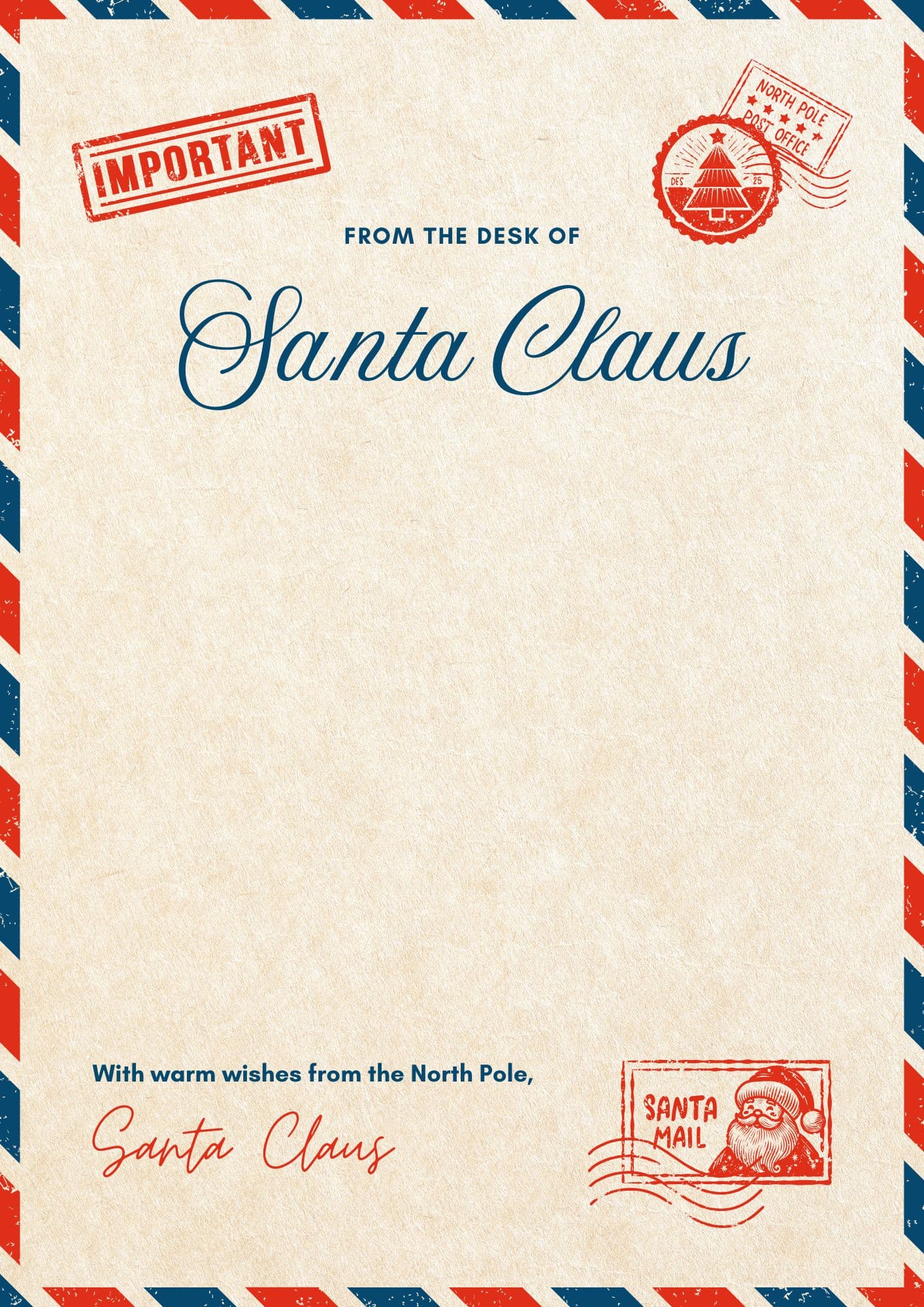
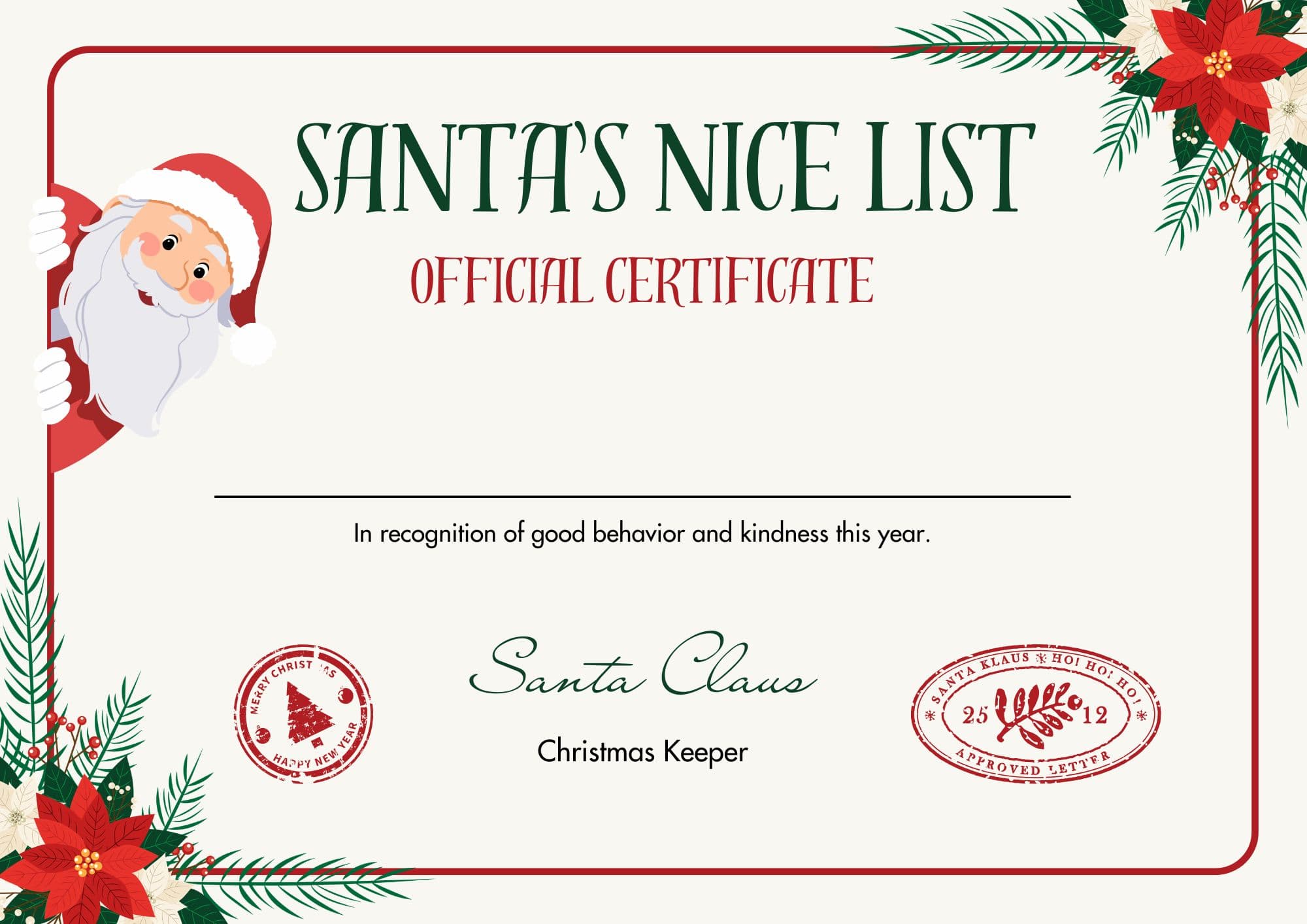
Printable Letter From Santa + Nice List Certificate
Two beautiful keepsakes from the North Pole — a personalized-style letter from Santa and an official Nice List certificate. Enter your email and Santa will unlock both PDFs for you, free.
A paper letter can't say your child's name out loud
Santa can. Watch a 30-second example — he greets your child by name, city and their proudest moment of the year.
Get a video from Santa