Quick answer
- 40+ Christmas riddles for kids by difficulty.
- Easy, medium, and hard riddles included.
- Perfect for holiday family fun and gatherings.
- Each riddle comes with an answer.
- Great way to engage kids during Christmas.
Easy Christmas Riddles for Kids
Explore these easy Christmas riddles that are perfect for young children. These riddles are designed to be fun and engaging, sparking joy and laughter at any holiday gathering. Simple yet delightful, they serve as a great introduction to the world of Christmas puzzles. These riddles not only entertain but also help in developing young minds by expanding vocabulary and understanding of Christmas themes. They are a wonderful tool for educators seeking to incorporate festive fun into their lessons.
- What do you get when you cross a snowman and a vampire? Frostbite. This riddle introduces children to a simple play on words that combines two unrelated things, offering a delightful twist.
- What Christmas carol is a favorite of parents? Silent Night. This riddle uses a clever twist on the meaning of 'silent,' playing on the desire of parents for a peaceful night.
- What do elves learn in school? The elf-abet. Here, children learn about the playful combination of words, merging 'elf' and 'alphabet' to create a humorous image.
- What do you call a cat on the beach at Christmas time? Sandy Claws. This riddle uses a pun on 'Santa Claus' to create a funny mental image involving a cat at the beach.
- What do snowmen eat for breakfast? Frosted Flakes. This riddle introduces children to the idea of using well-known brands or items in a humorous way, connecting the cold nature of snowmen to a popular cereal.
Medium Christmas Riddles for Kids
Challenge your kids with these medium-level Christmas riddles. They are perfect for children who enjoy a bit more of a challenge but are not quite ready for the hardest puzzles. These riddles balance fun with just the right amount of thought-provoking content. Children will love the opportunity to engage in problem-solving while enjoying the festive spirit. These riddles are also great for encouraging teamwork, as kids can work together to find the answers, promoting social skills and collaboration.
- What do you call a reindeer with bad manners? Rude-olph. This riddle uses a play on words with 'Rudolph,' the iconic reindeer, to teach children about manners.
- Why was the snowman looking through the carrots? He was picking his nose. This riddle uses a humorous literal interpretation of 'picking a nose,' encouraging kids to think outside the box.
- What do you get if you eat Christmas decorations? Tinselitis. This riddle introduces children to creative wordplay, combining 'tinsel' and 'tonsillitis' for a unique twist.
- Where does a snowman keep his money? In a snowbank. This riddle helps kids understand the concept of a 'bank' in a different context, combining it with a winter theme.
- What do you get when you cross an apple and a Christmas tree? A pineapple. This riddle encourages kids to think about combinations, using fruit and a festive symbol to create a funny outcome.
Make it magical with a video from Santa
Santa says your child's name, city and proudest achievement — in a real personalized video. Watch a free preview in 60 seconds.
Hard Christmas Riddles for Kids
For those who are up for a real brain teaser, try these hard Christmas riddles. They require a bit more thought and creativity, making them perfect for older kids or those who love a challenge. These riddles will keep your children entertained while encouraging them to think outside the box. Each solution offers a moment of revelation, making the experience both satisfying and educational. Perfect for those who love a tough puzzle, these riddles can be used in holiday-themed competitions or as a fun challenge during family gatherings.
- I’m a bank that doesn’t hold money. I can be found during winter and I’m made from water. What am I? A snowbank. This riddle encourages kids to think about the different meanings of words and how they can relate to seasons.
- What has 34 legs, 9 heads, and 2 arms? Santa and his reindeer. This riddle requires kids to do a bit of math, counting the legs and heads of Santa's reindeer, introducing a fun numerical challenge.
- What kind of ball doesn’t bounce? A snowball. This riddle teaches children about different types of balls and their properties, using humor to highlight the difference.
- What is something you can catch but can’t throw? A cold. This riddle uses a double meaning of the word 'catch,' providing a playful way to think about language.
- What do you call Santa when he stops moving? Santa Pause. This riddle plays with the sound of words, using 'pause' to create a pun on 'Santa Claus.'
Why Christmas Riddles Are Great for Kids
Christmas riddles are a fantastic way to engage children during the holiday season. They stimulate critical thinking and problem-solving skills while providing entertainment. Riddles also encourage kids to think creatively and improve their comprehension and verbal skills. The festive context adds an element of joy and excitement, making learning a delightful experience. By integrating riddles into holiday traditions, parents and teachers can foster a love for learning and creativity in children. If the kids enjoy these, keep the laughs going with our Christmas jokes for kids.
- Encourage family bonding through shared activities. Riddles provide a wonderful opportunity for families to come together and enjoy each other's company, creating lasting memories.
- Boost children's confidence as they solve riddles. Successfully answering a riddle can provide a sense of achievement, enhancing self-esteem and encouraging a positive attitude towards learning.
- Introduce new vocabulary and concepts in a fun manner. Riddles can be a great way to teach children new words and ideas, wrapped in the fun of solving a puzzle.
- Perfect for holiday gatherings and school parties. Riddles can be used as icebreakers or entertainment during festive events, ensuring everyone has a good time.
- Enhance listening skills and attention to detail. By listening closely to the riddle's wording, children can improve their ability to focus and pay attention to details.
How to Use Christmas Riddles in Holiday Activities
Incorporating Christmas riddles into your holiday activities can make festive gatherings more enjoyable. Use them during family dinners, in Christmas countdowns, or even as part of a letter from Santa. They offer a unique way to bring excitement and laughter to the holidays. By making riddles a part of your holiday traditions, you can create an engaging and interactive atmosphere that everyone will enjoy, fostering a sense of community and joy.
- Include riddles in holiday cards for a fun surprise. Adding a riddle to your Christmas cards can bring a smile to the recipient's face, making the card memorable.
- Use riddles as ice-breakers in Christmas parties. Start your party with a few riddles to get everyone talking and laughing, setting a joyful tone for the event.
- Incorporate them into a treasure hunt for extra fun. Create a treasure hunt where each clue is a riddle, leading participants to the next location.
- Create a riddle advent calendar for daily challenges. Each day presents a new riddle to solve, adding an element of surprise and anticipation to the countdown to Christmas.
- Use them in a Christmas-themed quiz night. Organize a quiz night with family and friends, using riddles as one of the categories to add variety and fun.
Tips for Making Your Own Christmas Riddles
Creating your own Christmas riddles can be a fun and rewarding activity. Think of common Christmas themes, use wordplay, and don't be afraid to be silly. Tailor the difficulty to your child's age and interests for a personalized touch. This activity not only stimulates creativity but also allows you to craft riddles that are uniquely suited to your family's sense of humor and tradition. By involving your children in the process, you can encourage them to think critically and creatively.
- Choose a Christmas theme like snowmen or Santa. Selecting a theme helps give your riddle a clear focus and connects it to the holiday spirit.
- Use puns or wordplay for a humorous twist. Playing with language can make your riddles both entertaining and educational.
- Test your riddle on friends or family for feedback. Sharing your riddles with others can provide valuable insights into how they are perceived and where they might be improved.
- Ensure the answer is logical and connects to the question. A good riddle should have an answer that makes sense and is connected to the riddle's setup.
- Keep it simple for younger children, more complex for older kids. Adjust the difficulty level to suit the age and ability of your audience, ensuring everyone can participate and enjoy.
Free download
Printable Letter From Santa + Nice List Certificate
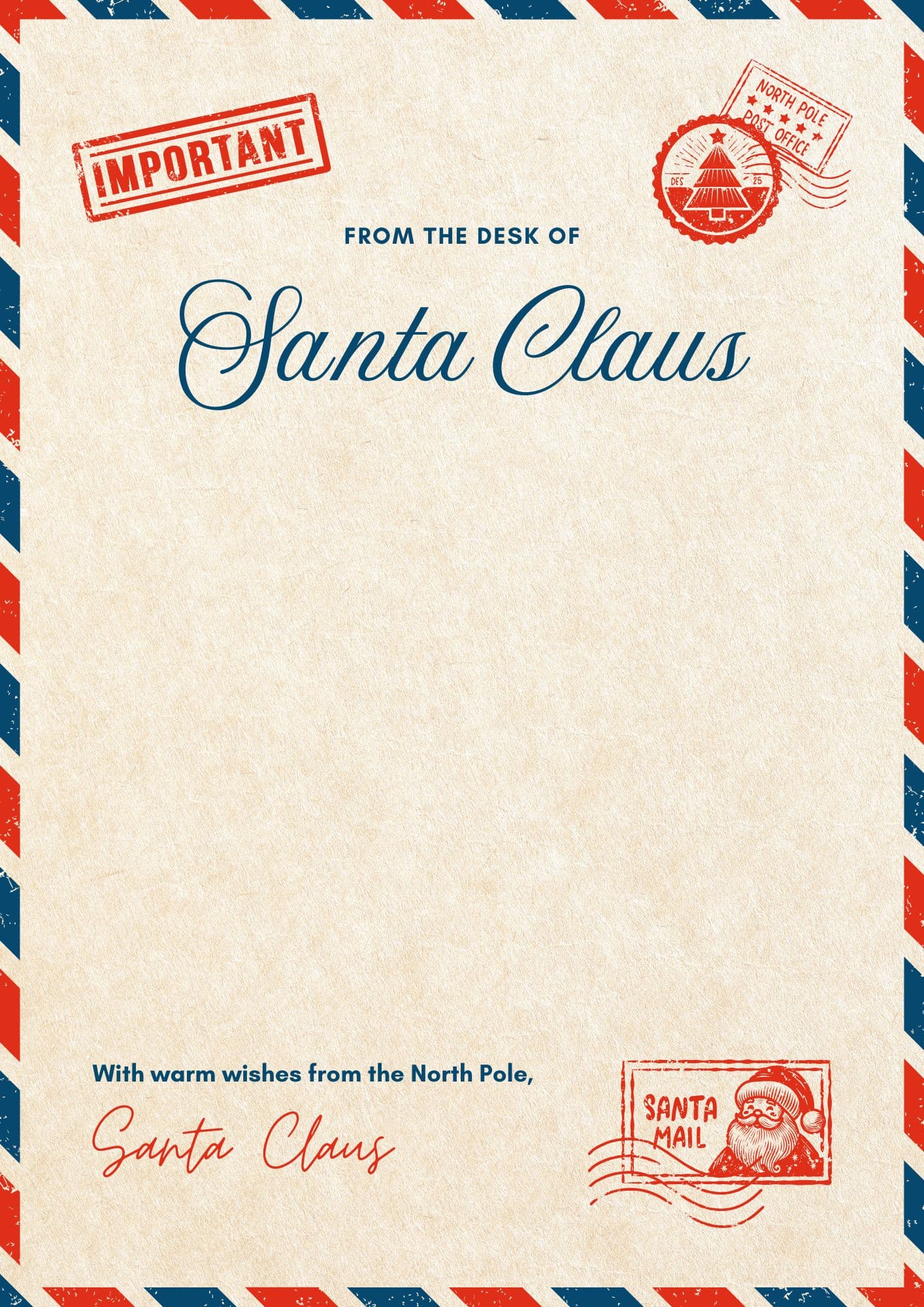
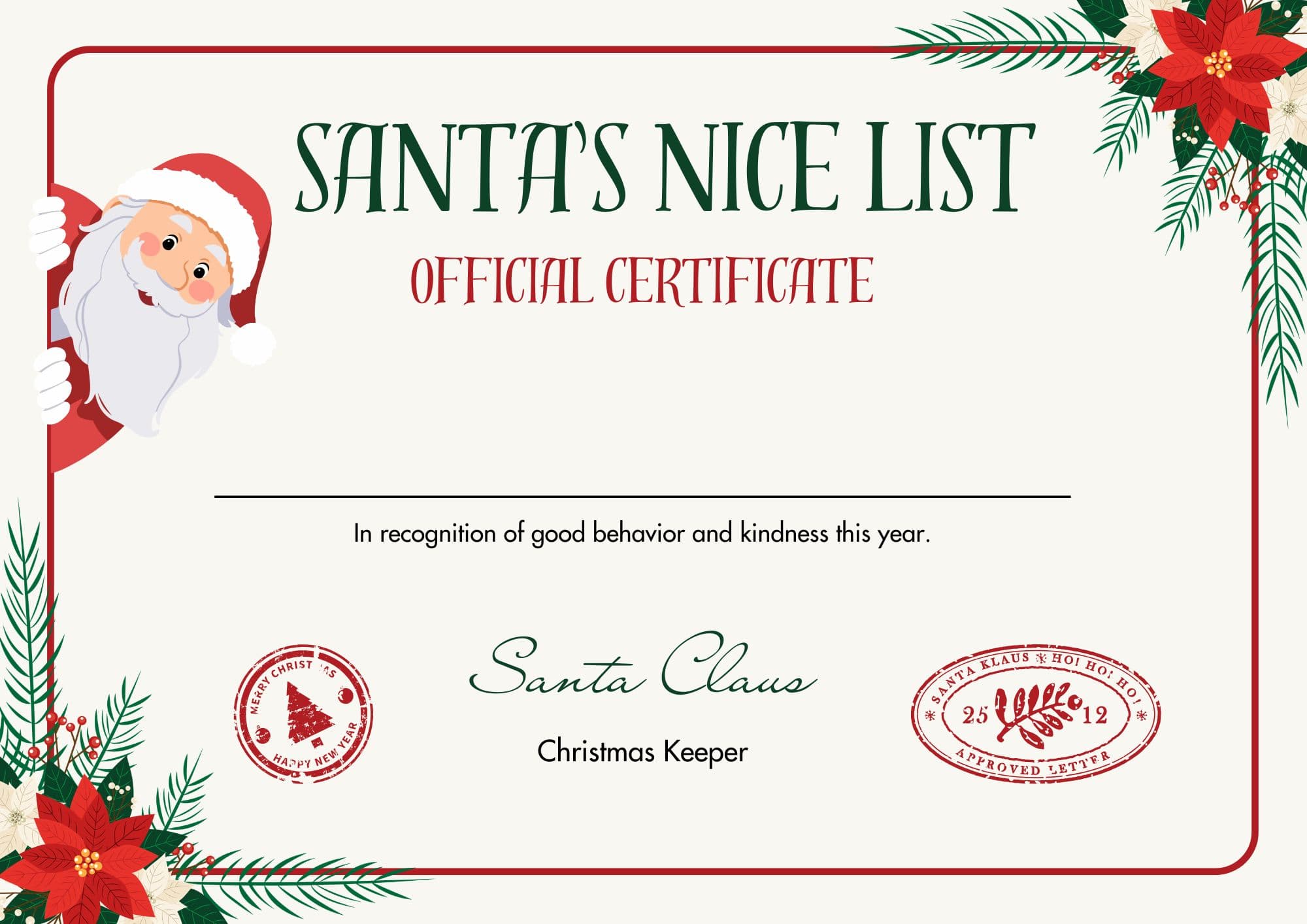
Two beautiful keepsakes from the North Pole — a personalized-style letter from Santa and an official Nice List certificate. Enter your email and Santa will unlock both PDFs for you, free.
A paper letter can't say your child's name out loud
Santa can. Watch a 30-second example — he greets your child by name, city and their proudest moment of the year.
Get a video from Santa