Quick answer
- Choose gifts that match a child's current interests, such as building, drawing, reading, music, sports, or pretend play.
- For younger children, prioritize open-ended toys with large, durable parts and simple rules.
- For older kids, consider project kits, outdoor gear, books, experiences, and gifts connected to independence.
- Add a personal touch with a handwritten note, a family tradition, or a personalized video from Santa.
Best Christmas Gift Ideas for Kids by Interest
The best Christmas gift ideas for kids usually connect with something they already enjoy. Choose a present that offers a clear first activity but leaves room for imagination, practice, or discovery. The ideas below suit many children ages 3 to 12; check age guidance and provide adult supervision for tools, cooking, outdoor equipment, and small components.
- For builders: Give a set of wooden blocks, magnetic tiles, or interlocking construction pieces. Add a challenge card such as “Build a bridge for three toy cars” to turn opening the gift into a hands-on activity. A sibling can test the bridge while the builder revises it.
- For young artists: Assemble a washable art basket with thick crayons, watercolor paper, child-safe scissors, glue sticks, and a small tabletop easel. Include three prompts, such as drawing a snow-covered house, designing a new sleigh, or illustrating an animal in a winter habitat.
- For readers: Pair an illustrated book with a reading light, a soft bookmark, and a hot-cocoa mug. Choose a story slightly above the child's usual level so an adult can read it aloud together, then ask the child to predict what happens next.
- For pretend-play fans: Create a veterinarian, restaurant, post office, or space-station kit with labeled envelopes, play money, notepads, and reusable props. Children can invent roles and rules instead of following only one script. A cardboard box can become a counter, rocket, or examination table.
- For curious explorers: Give a child-sized magnifying glass, notebook, flashlight, and simple field guide for birds, rocks, trees, or insects. Plan a January nature walk so the present leads to an experience. Add a list of five things to find, such as a feather, pinecone, evergreen needle, or animal track.
A short letter-from-Santa can explain why the gift fits the child's interests. Mention the actual present—“Your bridge-building set reminded me of the toy-train crossings you make”—rather than sending a generic greeting. That detail makes the activity feel connected to the family's Christmas story.
Creative Christmas Gift Ideas for Kids
Creative presents are useful when they produce something a child can display, share, or use later. Avoid buying a kit only because its packaging looks impressive. Check the recommended age, the cleanup involved, and whether the child can begin without buying extra supplies. A project with a short first step is more likely to reach the table than one that requires an hour of sorting.
- Make a holiday baking set with measuring cups, a child-sized apron, cookie cutters, parchment paper, and a printed recipe for gingerbread cookies. An adult should handle the oven, while the child measures, mixes, rolls, and decorates. Include icing in two or three colors and a container for sharing the finished cookies.
- Give a beginner music bundle with a small keyboard, hand drum, ukulele, or recorder, plus a folder of five simple songs. Set a realistic goal: practice for ten minutes on three days each week. A parent can learn one song too, turning practice into a short family performance.
- Choose a sewing or weaving project designed for children, such as a felt ornament, friendship-bracelet loom, or yarn wall hanging. Pre-cut the first pieces so the child can start successfully on Christmas Day. Store needles, scissors, and loose threads where younger siblings cannot reach them.
- Create a stop-motion movie box with a phone tripod, modeling clay, colored paper backdrops, and a notebook for storyboards. Suggest a 30-second winter story with a beginning, problem, and happy ending. The child can animate a snowman losing a hat, a penguin finding a sled, or a gift box that refuses to open.
- Give a gardening starter set with a small pot, soil, fast-growing herb seeds, plant labels, and a watering schedule. Basil, chives, and parsley offer visible progress and can eventually be used in a family meal. Place the pot near a bright window and let the child mark each watering day.
- Offer a photography scavenger hunt with a simple camera or supervised family camera time. Give the child a list of ten subjects, including something red, a funny shadow, a family smile, and a winter texture. Print one favorite photograph for the child's room or a family album.
Creative gifts work best when adults protect uninterrupted time for them. Put the supplies in one container, clear a table, and plan a first project before the holiday rush disappears. If paint, flour, or clay is involved, cover the work surface and keep a damp cloth nearby; fewer cleanup obstacles mean more time making things.
Make it magical with a video from Santa
Santa says your child's name, city and proudest achievement — in a real personalized video. Watch a free preview in 60 seconds.
Educational Christmas Gift Ideas for Kids That Feel Like Play
Educational gifts should feel like invitations, not extra homework. Select materials that encourage questions, sorting, measuring, storytelling, or problem-solving. The strongest choices allow more than one correct answer and can be used alone or with a sibling. Choose a subject the child can revisit in short sessions rather than a complicated set that demands a long lesson.
- Give a tabletop geography puzzle featuring the United States, world regions, or local landmarks. After completing it, ask the child to choose one place to research and mark with a sticky note. Compare the distance from home, local food, language, weather, or a famous building.
- Choose a family-friendly board game that practices counting, planning, memory, vocabulary, or cooperation. Read the rules before Christmas so the first game can begin without a long setup. Keep a pencil and score sheet in the box if the game involves points or invented variations.
- Build a weather station gift with a rain gauge, outdoor thermometer, wind ribbon, notebook, and pencil. Have the child record observations at the same time each day for one week. At the end, compare the warmest, wettest, and windiest days rather than focusing on perfect measurements.
- Offer a beginner microscope or magnifying tool with prepared slides, cotton fabric, leaves, and safe household samples. Keep the first session short and help the child draw what they see rather than demanding technical labels. An adult should supervise glass slides and any electrical equipment.
- Give a logic-puzzle book with a mechanical pencil, eraser, and answer envelope. Start with a few easy puzzles, then let the child choose whether to increase the difficulty. Celebrate a useful strategy—crossing out impossible answers, making a list, or spotting a pattern—not only a correct score.
- Choose a history-themed gift connected to a real place, such as a model pyramid, castle-building set, or book about the National Mall. Follow it with a museum visit or a documentary night. Ask the child to make one postcard, drawing, or three-question quiz about what they learned.
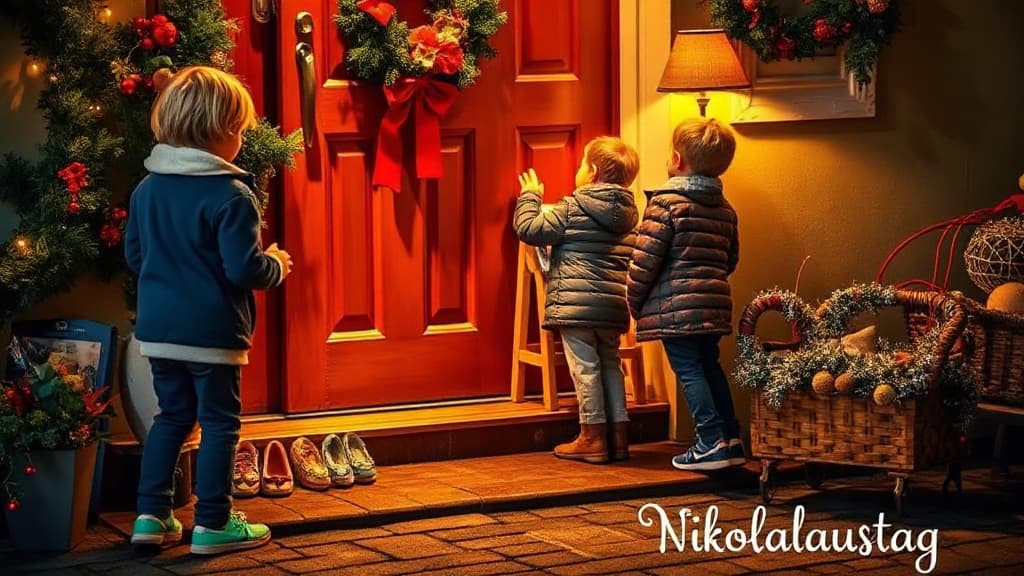
For a meaningful historical connection, explain that Saint Nicholas was a Christian bishop associated with Myra in Lycia and that December 6 is Saint Nicholas Day in many traditions. Families can read the background in this Wikipedia overview of Saint Nicholas and decide whether to add shoes by the door or a small act of generosity to their own celebration. A child might leave a new pair of socks for donation, share a snack, or help wrap a book for someone else.
Active and Outdoor Christmas Gift Ideas for Kids
Active gifts help children use their bodies during a season filled with sitting, traveling, and screen time. Match the present to your climate and available space. Safety gear, adult instruction, and a clear storage spot should be part of the plan, not an afterthought. A helmet that fits, gloves that stay dry, and a place to hang wet equipment can determine whether a gift gets used.
- Give a sled, snow tube, or pair of child-sized snowshoes if your family has reliable winter access. Include warm socks, waterproof gloves, and a plan to use the gift during the first safe snowfall. Choose a hill away from roads, trees, fences, and parking areas, and check local rules before sledding.
- Choose a scooter, bicycle, or balance bike that fits the child's height. Add a properly fitted helmet, reflective stickers, and a family route with low traffic for practice. Begin in a level, traffic-free area so the child can work on braking, turning, and looking ahead.
- Create an indoor movement kit with floor markers, a soft ball, resistance bands made for children, and cards showing simple activities. Use a ten-minute obstacle course on cold or rainy days. Include animal walks, balancing stations, gentle stretches, and a target toss rather than turning the room into a speed contest.
- Give a backyard birdwatching set with binoculars sized for small hands, a feeder, seed appropriate for local birds, and a regional bird guide. Place the feeder where the family can watch without disturbing birds. Keep a tally of visitors and draw the bird seen most often.
- Offer a kite for spring use, even if Christmas is in the middle of winter. Include a note promising a park trip when conditions are calm, and explain that kites should be flown far from roads and power lines. Store the kite in a labeled tube or bag so it survives until the first suitable day.
- Choose camping equipment for a child, such as a sleeping bag rated for the family's planned conditions, a headlamp, or a compact camp chair. Schedule a living-room campout first to practice packing and setup. Let the child check off a short list: sleeping bag, flashlight, water bottle, pajamas, and book.
Outdoor presents become more successful when the gift includes a date on the calendar. A Saturday park visit, sledding afternoon, or family hike gives children a clear reason to use the item instead of leaving it in a closet. Write the plan on a card and include a backup indoor activity if rain, unsafe ice, or heavy wind changes the schedule.
Personalized and Experience-Based Christmas Gift Ideas for Kids
Some children already have plenty of toys. In that case, give a memory, responsibility, or moment of individual attention. Experiences do not need to be expensive or elaborate. A planned outing with one parent can feel more personal than another object under the tree, especially when the child helps choose the details and receives a definite date.
- Plan a one-on-one breakfast date at a favorite diner or at home. Let the child choose the menu, music, and one conversation question for the morning. Write the date on a small card and take a photograph of the finished breakfast for a keepsake album.
- Give a family museum day with a printed “mission,” such as finding three animals, one ancient tool, and the oldest object on display. The Smithsonian museums in Washington, D.C., offer many public resources and help children connect gifts with real collections; see the Smithsonian education resources. Check opening times, accessibility, and reservation requirements before the visit.
- Create a monthly adventure envelope set with twelve simple plans, such as a library visit, sunset walk, pancake dinner, playground picnic, or board-game tournament. Write the month on each envelope and add any needed materials, such as a picnic blanket, library card, or pancake recipe.
- Give a personalized video from Santa that mentions the child's name, a recent accomplishment, and one specific way to use the gift. Keep the message encouraging rather than promising surveillance or judging behavior. A line about finishing a difficult book, learning to ride, or welcoming a new sibling will sound more genuine than a broad claim about being “good.”
- Offer a child a real family role for the year, such as choosing one Saturday dinner each month, caring for a herb pot, or helping plan a cousin's birthday activity. Put the responsibility on a decorated certificate. Include a simple checklist and make sure the task is manageable for the child's age.
- Make a custom storybook night with a new book, a blanket, cocoa, and three family members taking turns reading. Record the child's favorite line in a keepsake notebook. For a younger child, add animal voices; for an older reader, let them choose the chapters or read aloud to the family.
A countdown can build anticipation without adding another physical present. Families can use a Christmas countdown to pair each day with a tiny action, such as donating a book, calling a grandparent, or reading one chapter together. Keep the actions short enough for busy evenings, and let children suggest several of the activities.
Practical Christmas Gift Ideas for Kids and Siblings
Practical gifts are most welcome when they solve a real problem while still giving the child choices. Let children select colors, patterns, room themes, or activities whenever possible. For siblings, combine one shared present with one small individual item so everyone has something to open. A practical gift should not feel like a correction; pair storage, clothing, or school supplies with an enjoyable activity or a personal note.
- Give a personalized organization station with labeled bins, a pencil cup, a hook for headphones, and a weekly school checklist. Set it up before Christmas so the child can use it immediately. Label one bin “projects in progress” so unfinished drawings and building work do not disappear during cleanup.
- Choose comfortable pajamas, slippers, a robe, or a winter hat in the child's preferred color. Fold the item into a small box with a new bedtime book or a family movie plan. Let the child choose which night to wear or use it first rather than presenting it as a required bedtime routine.
- Create a travel activity folder with a sketchbook, colored pencils, reusable sticker scenes, word searches, and a small card game. Keep it packed for road trips, flights, or restaurant waits. Replace completed pages and add a new challenge before the next journey.
- Offer a lunch-planning kit with reusable containers, note cards, and a menu chart. Let the child choose one lunch component on Sunday and help prepare it safely. The child can mark favorite combinations, such as apple slices with cheese, hummus with vegetables, or a turkey sandwich with cucumber.
- Give a sibling game basket with a deck of cards, dice, a timer, and a notebook for invented games. Ask the children to write rules and teach the finished game to adults. One child can design the board while another creates the scoring system, giving both a defined role.
- Choose a keepsake box for artwork, ticket stubs, shells, or small treasures. Add the child's name, the year, and three prompts: “favorite memory,” “new skill,” and “hope for next year.” Leave space for a photograph or handwritten note from Christmas morning.
Before buying, check what the child already owns and what the household can store. A durable, frequently used item is a better choice than a novelty that creates clutter. For children under three, follow age labels carefully and avoid small parts, loose magnets, and accessible button batteries. Keep packaging, charging cables, and instruction sheets together until the gift has been tested and a safe storage place has been chosen.
Free download
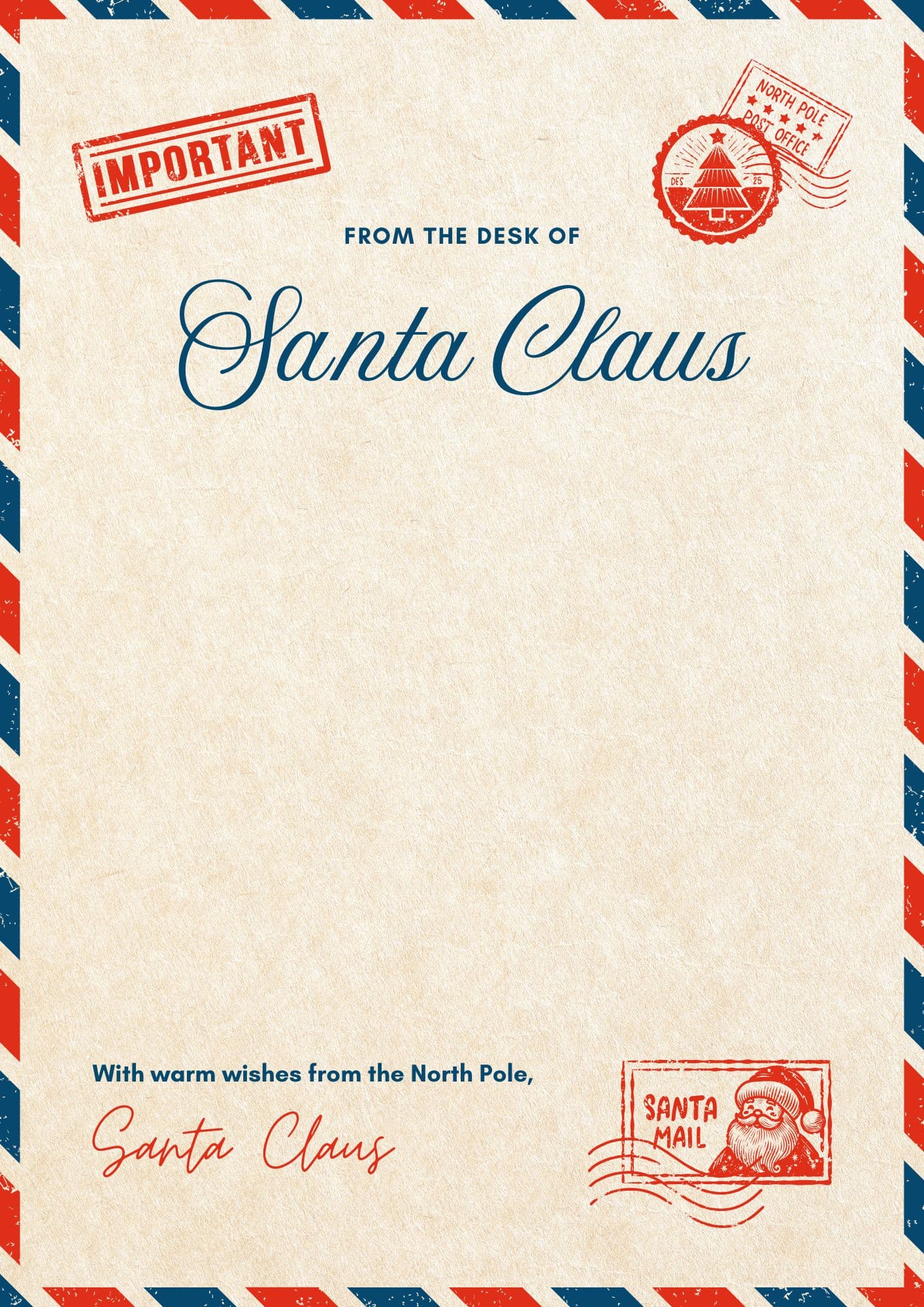
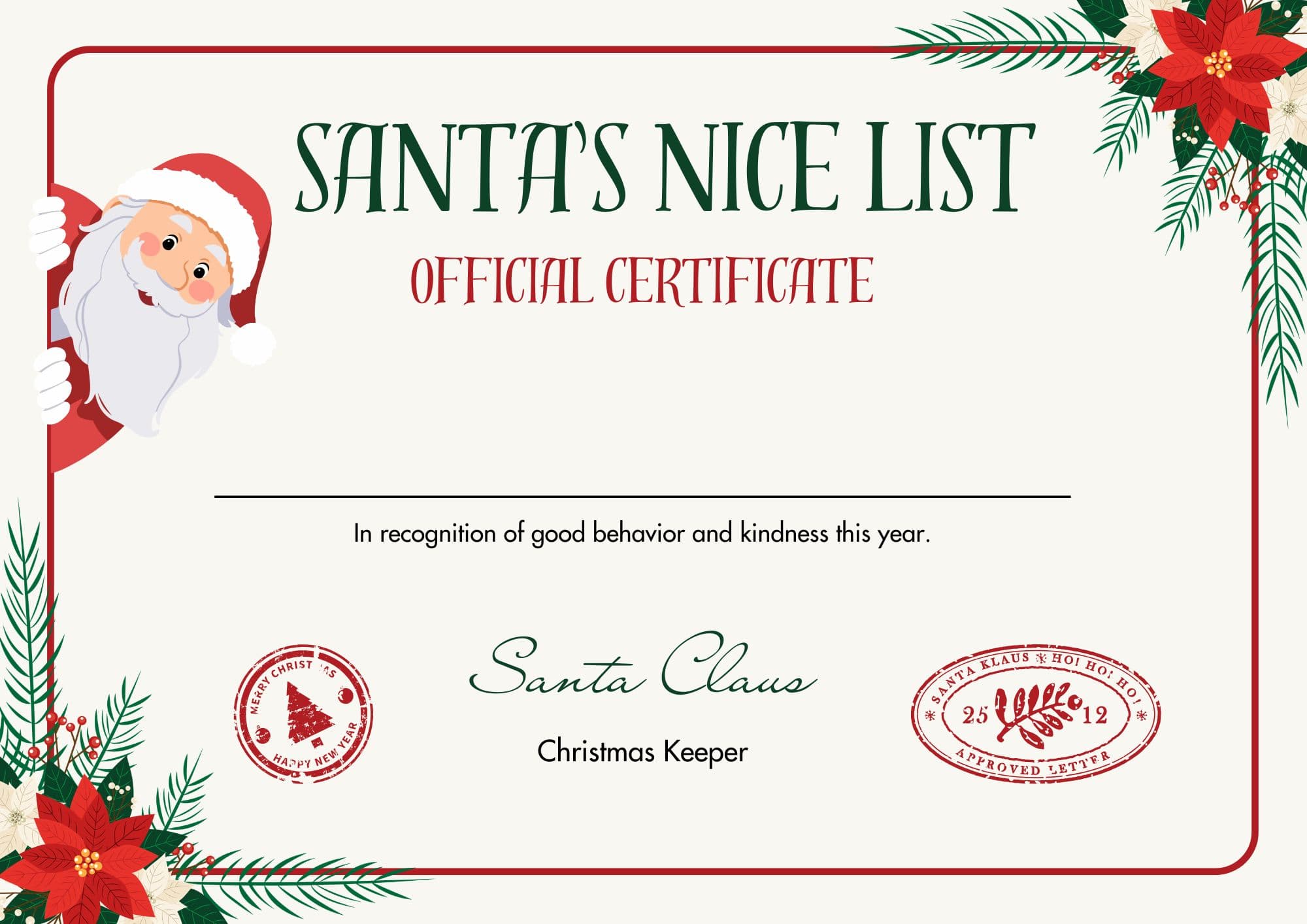
Printable Letter From Santa + Nice List Certificate
Two beautiful keepsakes from the North Pole — a personalized-style letter from Santa and an official Nice List certificate. Enter your email and Santa will unlock both PDFs for you, free.
A paper letter can't say your child's name out loud
Santa can. Watch a 30-second example — he greets your child by name, city and their proudest moment of the year.
Get a video from Santa