Quick answer
- The original eight reindeer are Dasher, Dancer, Prancer, Vixen, Comet, Cupid, Donder, and Blitzen.
- Rudolph was added in 1939, when Robert L. May wrote a story for a Montgomery Ward Christmas booklet.
- The first eight names appeared in the poem A Visit from St. Nicholas, commonly called The Night Before Christmas, which was published in 1823.
- Rhymes, movement games, name cards, crafts, snacks, and a personalized Santa message can help children remember all nine names.
Santa's Reindeer Names at a Glance
Santa’s traditional team begins with eight names: Dasher, Dancer, Prancer, Vixen, Comet, Cupid, Donder, and Blitzen. Rudolph is the ninth reindeer in the version most children know today. The first eight appeared in the 1823 poem A Visit from St. Nicholas; Robert L. May introduced Rudolph in 1939.
A Visit from St. Nicholas was printed anonymously in the Troy Sentinel in Troy, New York, on December 23, 1823. The poem was later associated with Clement Clarke Moore. For a concise overview of the changing list and spellings, see this history of Santa’s reindeer.
The original eight names
- Dasher — a brisk, energetic name built around speed and motion.
- Dancer — a name that suggests steps, leaps, and lively movement.
- Prancer — a proud, high-stepping reindeer with a showy gait.
- Vixen — a clever, spirited name; historically, a vixen is a female fox.
- Comet — a bright object crossing the night sky, and a fitting name for a swift flyer.
- Cupid — a playful name associated with affection, friendship, and love.
- Donder — a spelling related to words for thunder, including Dutch donder.
- Blitzen — connected with lightning through German blitzen, meaning “to flash” or “lightning” in related usage.
The ninth reindeer
- Rudolph — the red-nosed reindeer Robert L. May created for a 1939 Montgomery Ward promotional booklet.
- “Rudolph the Red-Nosed Reindeer” was written by Johnny Marks and recorded by Gene Autry in 1949, turning May’s character into a widely known Christmas figure.
How to Remember Santa's Reindeer Names in Order
A long list becomes easier when children can hear it, move to it, and see it. Teach the first four as one phrase, pause, and then introduce the final four. Add Rudolph afterward so the order also tells a simple history: eight names in the 1823 poem, followed by one character created in 1939.
Five practical memory activities
- Use the first-letter pattern D-D-P-V-C-C-D-B. Say “Dasher, Dancer, Prancer, Vixen” first, then “Comet, Cupid, Donder, Blitzen.” Repeat the two groups at bedtime for three nights.
- Build a movement chain. Dash in place for Dasher, sway or spin for Dancer, march with high knees for Prancer, and tiptoe like Vixen. Finish with a shooting-star sweep for Comet, a heart gesture for Cupid, a drumbeat for Donder, and finger flashes for Blitzen.
- Write one name on each of eight cards. Ask your child to place the cards in poem order, then hand over a red-nose card and ask where Rudolph belongs in the modern list.
- Create a two-line chant: “Dasher, Dancer, Prancer, Vixen; Comet, Cupid, Donder, Blitzen.” Clap after every name and pause between Vixen and Comet.
- Place the cards around a clear section of the room. Call a name, and let your child walk, hop, or point to the matching card. Remove obstacles first; speed is less important than getting the sequence right.
A simple family quiz
- Which name sounds like a fast runner? Dasher.
- Which two names connect with thunder and lightning? Donder and Blitzen.
- Which name sounds like something you might see streaking across the sky? Comet.
- Which name is associated with love, affection, or friendship? Cupid.
- Which reindeer is known for a glowing red nose? Rudolph.
Make it magical with a video from Santa
Santa says your child's name, city and proudest achievement — in a real personalized video. Watch a free preview in 60 seconds.
Reindeer Name Games for Christmas Eve
Christmas Eve games should be short enough to fit between dinner and bedtime. Paper, crayons, cotton balls, and a few household objects are enough to create these activities. Each game repeats the names in a different way, so children practice without sitting through a formal lesson.
Five low-prep games
- Reindeer bingo: Draw a three-by-three grid and write the eight traditional names plus Rudolph on nine slips. Call the names in random order until a player completes a row.
- Name relay: Put the nine cards at one end of a hallway or large room. Give each player a checklist and let them collect the cards in the correct order. For toddlers, replace running with walking.
- Hoofprint hunt: Cut brown paper hoofprints and write one name on each. Hide them along a safe route from the tree to the kitchen, then have children bring them back and arrange the list.
- Mystery clue bowl: Add clues such as “My name is linked with lightning,” “I sound like a graceful performer,” or “I am the reindeer with a red nose.” Children draw a clue and name the answer.
- Reindeer telephone: Whisper the complete list to the first player. Pass it around the circle, then compare the final version with the original. Write both lists down so everyone can spot where the names changed.
Make the games calmer
- Set a five-minute timer for active games. A clear ending helps younger children shift from excitement to pajamas and bedtime.
- Let children point instead of read. A comet, heart, lightning bolt, dancing figure, and red nose can support children who are still learning letter sounds.
- Give each child one name to illustrate. Display the pictures in order as a homemade reindeer roll call above the mantel or on the refrigerator.
- For a quiet finish, invite everyone to whisper the names while looking at the tree lights. The slower pace gives children a final chance to hear the full sequence.
- Record the family’s best roll call and pair it with a letter from Santa for a keepsake. Ask children to say the names clearly once, rather than repeating the recording until it sounds perfect.

Santa's Reindeer Names in History and Literature
The familiar list developed across several Christmas traditions. A Visit from St. Nicholas printed eight names in 1823. Early versions used “Dunder” and “Blixem”; later copies and retellings helped establish the spellings Donder and Blitzen. That is why an older book may not match the spelling on a newer name card.
Rudolph belongs to a later layer of the tradition. Robert L. May wrote the character in 1939 for a Montgomery Ward department-store booklet. May’s brother-in-law, songwriter Johnny Marks, later wrote the song, which Gene Autry recorded in 1949. The Library of Congress collection offers useful context for American Christmas music and recordings.
Five facts to share with children
- The original poem was printed in Troy, New York, on December 23, 1823—two days before Christmas.
- The poem named eight reindeer, not nine.
- Rudolph first appeared 116 years after the 1823 poem, in Robert L. May’s 1939 story.
- Donder and Blitzen are associated with thunder and lightning through Dutch- and German-related words and spellings.
- Modern books, films, songs, and family traditions may give the reindeer different personalities, but the core names remain recognizable.
A thoughtful way to explain variations
Tell children that Christmas stories accumulate new characters and details. The 1823 poem, Rudolph’s 1939 booklet, the 1949 song, picture books, films, and family traditions can all belong on the same shelf. If a book spells the name Donner instead of Donder, explain that both forms appear in popular versions. The goal is to understand the tradition, not to declare one family’s edition wrong.
Reindeer-Themed Food, Crafts, and Decorations
A name becomes easier to recall when it has a color, shape, taste, or movement attached to it. Choose one project for younger children and two for older children. Set out the materials before inviting everyone to the table, especially if you are fitting the activity between Christmas Eve dinner and the bedtime routine.
Five edible and craft ideas
- Bake sugar cookies shaped like stars, hearts, and circles. Decorate the star as Comet, the heart as Cupid, and the circle with a red candy nose for Rudolph. Say the name each time a child places a decoration.
- Make a reindeer snack board with apple slices, pretzel antlers, raisins for eyes, and sunflower-seed noses. Label each section with a name card. Check allergies before serving seeds or other small foods.
- Create a paper-chain countdown with nine colors. Write one reindeer name on each link and remove one link every evening. Keep the original eight in poem order, then place Rudolph on the final link.
- Paint wooden or cardboard ornaments with simple symbols: running shoes for Dasher, music notes for Dancer, a raised crown for Prancer, and a red nose for Rudolph. Add a written name to each ornament for early readers.
- Build a name banner across a mantel or wall. Put Dasher through Blitzen first, then add Rudolph at the end in a contrasting color so the two parts of the tradition remain visible.
Keep the projects age-appropriate
- Toddlers can match large printed names to pictures while an adult handles scissors, hot glue, and small decorations.
- Preschoolers can stamp hoofprints with washable paint and practice saying the matching name as they make each print.
- Early readers can copy the names and compare the two D names, Dasher and Dancer, and the two C names, Comet and Cupid.
- Older children can look up the meanings behind Comet, Cupid, Donder, and Blitzen, then write a two-sentence caption for each card.
- Use food-safe decorations and check for allergies before serving nuts, seeds, dairy, eggs, or wheat-based treats. Supervise children around toothpicks, hard candies, and small craft pieces.
Personalized Ways to Bring the Reindeer Story to Life
A familiar name feels personal when it appears in a child’s own Christmas story. Use a real interest, a family pet, or a recent kind act as the starting point. Specific details work better than broad praise: mention the drawing left on the kitchen table, the soccer practice attended in the rain, or the gift wrapped carefully for a younger sibling.
Five family storytelling ideas
- Assign each child a reindeer name for one evening. The Dasher child sets the table briskly, while the Dancer child chooses a song for cleanup. Change the roles the next night so no one is stuck with one personality.
- Write a short trail of clues from the front door to the tree. Each clue names one reindeer and describes the next hiding place, such as “Look where the mittens dry” or “Find the card beneath the blue cushion.”
- Ask children to invent a safe, kind mission for each reindeer, such as helping a lost bird, delivering a warm scarf, or guiding a family home before a snowstorm. Have them explain why that reindeer fits the task.
- Make a bedtime story in nine sentences. Give every reindeer one sentence, then let Rudolph solve the final problem. The story might involve a missing bell, a foggy route, or a parcel that needs to reach the right house.
- Use an online Santa video service to have Santa praise the child for remembering all nine names, then follow it with a family reading of the poem. Keep the message grounded in a real accomplishment rather than promising that Santa is watching every moment.
Questions that invite imagination
- Which reindeer would be best at finding a quiet route through a snowy neighborhood, and what clues would help?
- What sound might Donder make during a storm, and how would Blitzen answer from the other side of the clouds?
- Would Cupid carry cards, ribbons, or kind notes for families? Who would receive the first one?
- What training would a new reindeer need before joining the team: balance, navigation, listening, or flying?
- What would Rudolph do if the sky were clear and his nose was not needed? How could he still help the team?
Free download
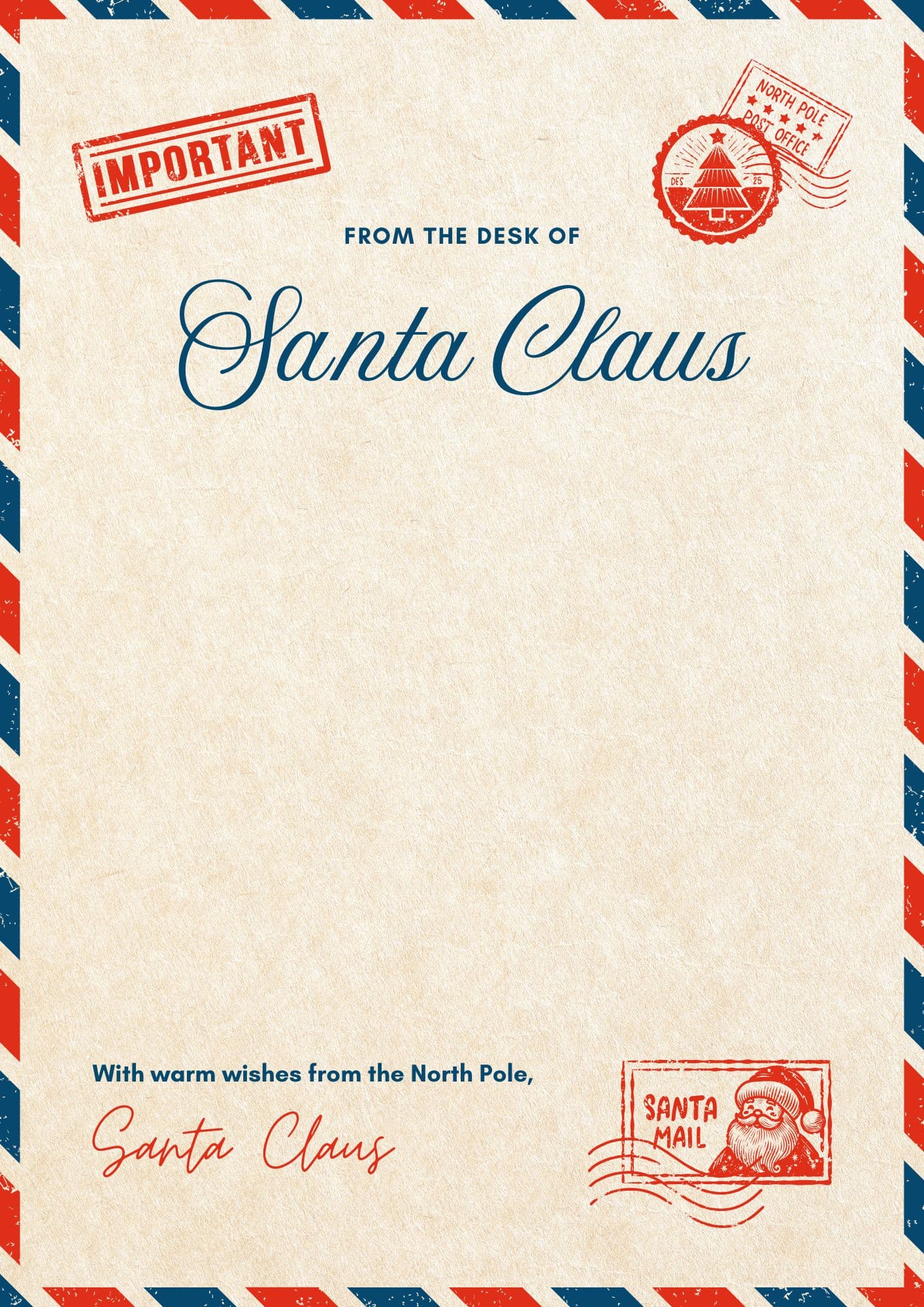
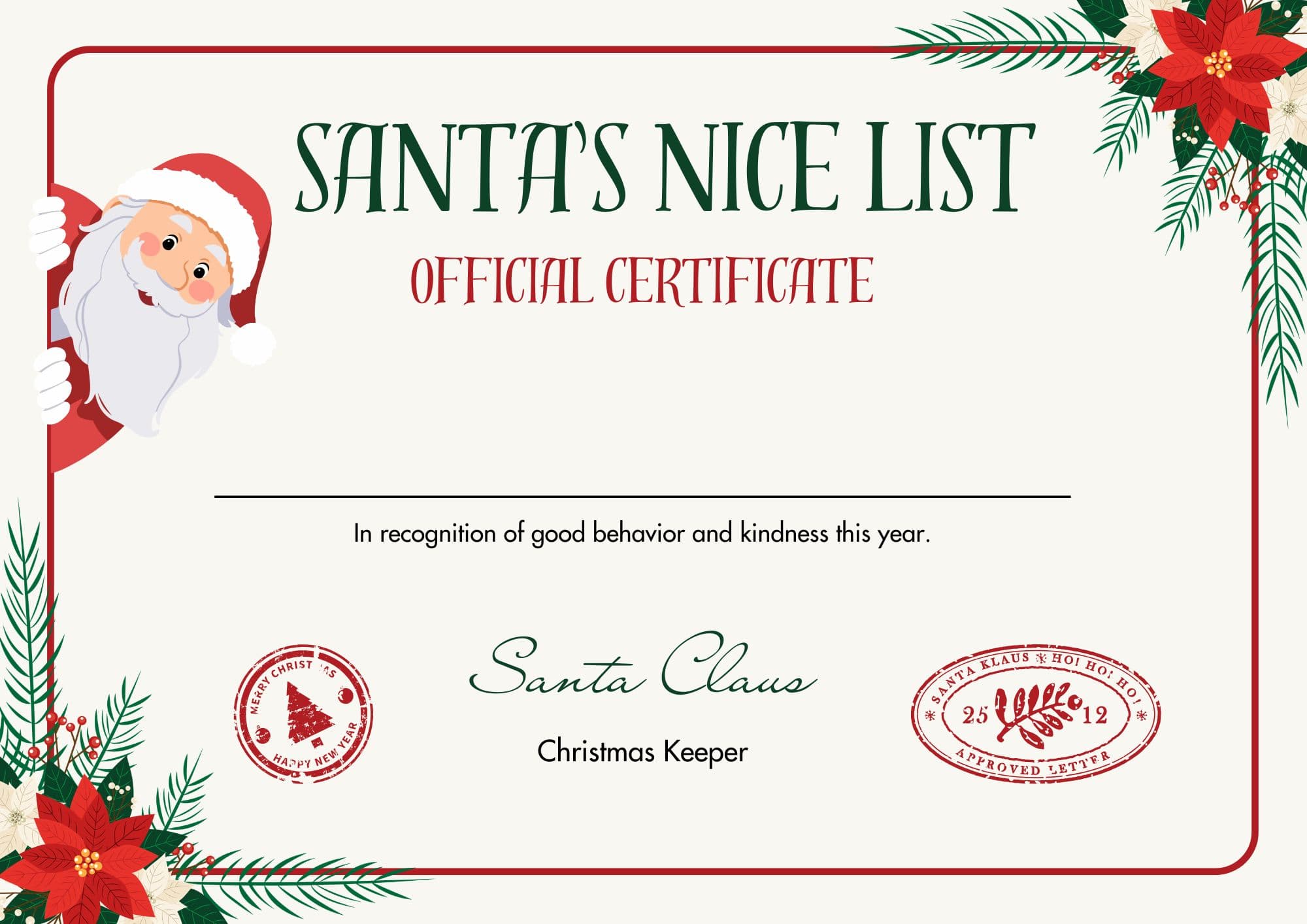
Printable Letter From Santa + Nice List Certificate
Two beautiful keepsakes from the North Pole — a personalized-style letter from Santa and an official Nice List certificate. Enter your email and Santa will unlock both PDFs for you, free.
A paper letter can't say your child's name out loud
Santa can. Watch a 30-second example — he greets your child by name, city and their proudest moment of the year.
Get a video from Santa