Quick answer
- Día de Reyes Magos celebrates the visit of the Magi to baby Jesus.
- Traditions include parades, special foods, and gift-giving on January 6.
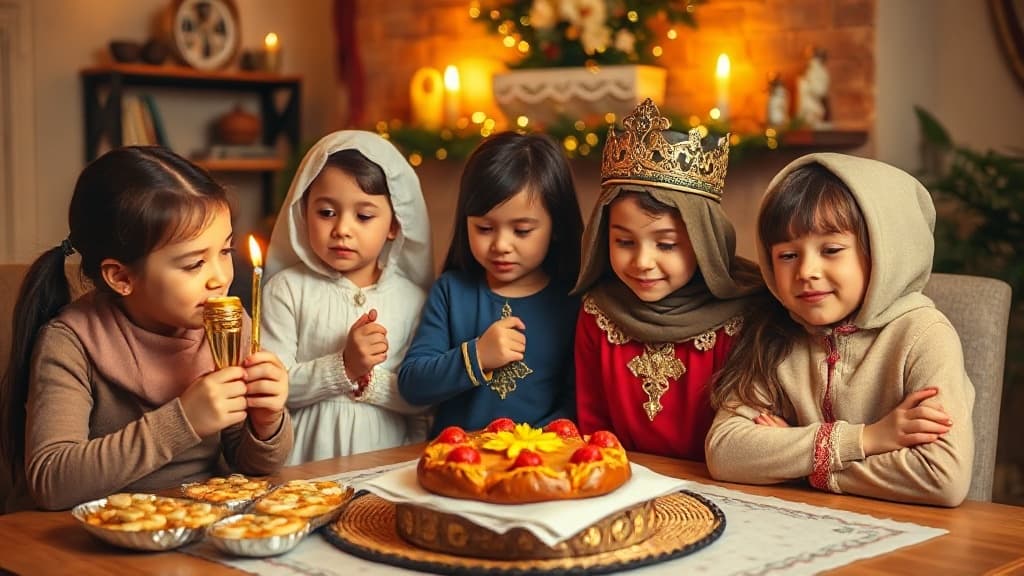
- Rosca de Reyes is a popular bread enjoyed during the celebration.
- Regional differences exist in customs and celebrations.
- Adapt traditions for kids with crafts, stories, and personalized greetings.
Understanding the History of Día de Reyes Magos
Día de Reyes Magos, also known as the Feast of the Epiphany, marks the biblical adoration of baby Jesus by the three Wise Men, or Magi. Celebrated on January 6, this tradition is deeply rooted in Christian history, symbolizing the revelation of Christ to the Gentiles. The Magi are said to have traveled from the East, guided by a star, to pay homage and present gifts of gold, frankincense, and myrrh to the newborn Jesus. The journey of the Magi is not only a story of faith but also a tale of perseverance and devotion, as they traversed great distances following celestial guidance. The story of Biblical Magi goes back further than most families realize.
This day has been celebrated since at least the 4th century, evolving from a purely religious event to include a rich tapestry of cultural traditions. The early celebrations were solemn and focused on liturgical aspects, but over time, they integrated various cultural elements that led to the festive customs we see today. In many Hispanic cultures, Día de Reyes Magos is as significant as Christmas itself, highlighting the importance of the Magi's journey and the gifts they offered. The tradition serves as a reminder of the values of generosity, hope, and the joy of giving.
Modern Celebrations of Día de Reyes Magos
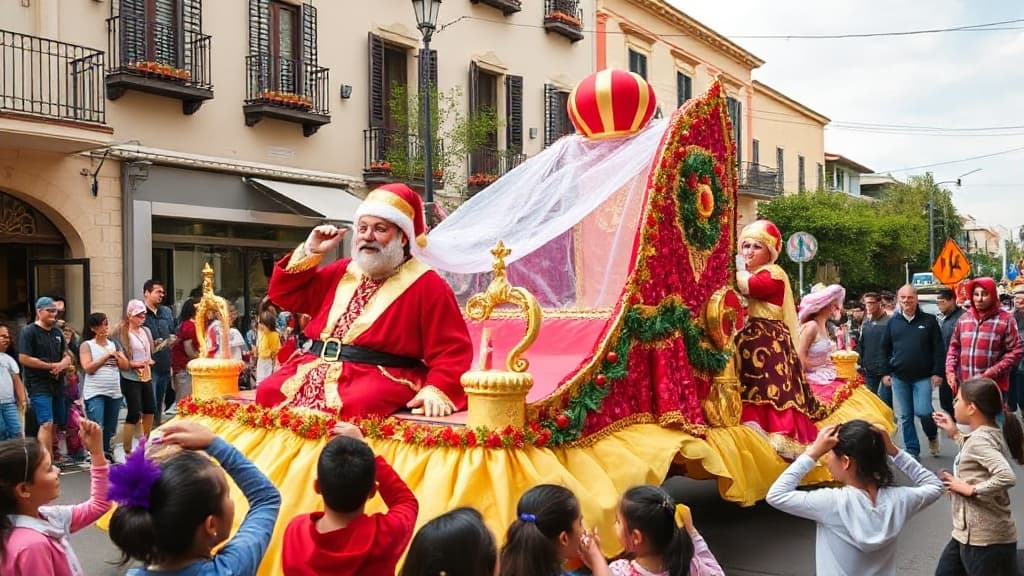
Today, families celebrate Día de Reyes Magos with various customs that vary by region. In Spain, a grand parade known as the 'Cabalgata de Reyes' takes place on the evening of January 5, featuring elaborate floats and costumed characters. This parade is more than just a spectacle; it is a communal event that brings entire cities together, with participants often spending months preparing their floats and costumes. Children leave their shoes out for the Wise Men to fill with gifts, while adults enjoy the festivities. This tradition of leaving shoes is akin to the stockings hung by the fireplace during Christmas in other cultures, emphasizing the shared anticipation of gifts.
In Mexico, families gather to share a Rosca de Reyes, a crown-shaped sweet bread adorned with fruits and hiding a small figurine of baby Jesus inside. The bread is often accompanied by hot chocolate, creating a cozy atmosphere for family gatherings. Whoever finds the figurine must host a party on February 2, Día de la Candelaria, continuing the spirit of generosity and community. These gatherings are filled with joy, music, and traditional Mexican dishes such as tamales and atole, a warm drink made from corn flour.
Make it magical with a video from Santa
Santa says your child's name, city and proudest achievement — in a real personalized video. Watch a free preview in 60 seconds.
Regional Differences in Día de Reyes Magos Celebrations
While Día de Reyes Magos is celebrated across the Hispanic world, each region adds its unique flavor to the festivities. In Puerto Rico, the tradition includes children collecting grass or hay for the camels of the Magi, placed under their beds alongside a wish list for gifts. This act reflects the island's blend of cultural influences, combining Spanish traditions with local customs, making it a deeply personal celebration for many families.
In some parts of Latin America, the day is marked with community gatherings where stories of the Magi are retold, and children perform plays depicting their journey. These plays, often performed in schools or community centers, help keep the stories alive for younger generations. The communal aspect of these celebrations reinforces family bonds and cultural heritage, offering a sense of belonging and identity. Events might include traditional dances, games, and music, showcasing the region's rich cultural tapestry.
Traditional Foods of Día de Reyes Magos
Food plays a central role in Día de Reyes Magos celebrations. The Rosca de Reyes is the star of the feast, with its circular shape symbolizing the crown of the Magi. This bread, made with a sweet dough, is often accompanied by hot chocolate or champurrado, a thick Mexican drink made with corn dough and chocolate. The combination of flavors and textures makes it a beloved treat, eagerly anticipated by both children and adults.
In Spain, 'Roscón de Reyes' is similarly enjoyed, sometimes filled with cream or topped with candied fruits, adding a layer of sweetness that complements the bread's soft texture. In Argentina, the day is celebrated with an asado, a traditional barbecue, showcasing the country's love for grilled meats. Families gather outdoors, enjoying the warm summer weather, and the feast includes a variety of meats, vegetables, and salads, reflecting Argentina's rich culinary heritage.
Adapting Día de Reyes Magos Traditions for Young Children
For families with young children, adapting Día de Reyes Magos traditions can enhance the holiday's magic. Start by sharing stories about the Magi's journey and the significance of their gifts. Books and interactive storytelling sessions can be particularly effective in capturing children's imaginations. Engaging children in crafts, like creating crowns or decorating their own Rosca de Reyes, can make the day memorable. These activities can also include making homemade gifts or cards, emphasizing the spirit of giving and creativity.
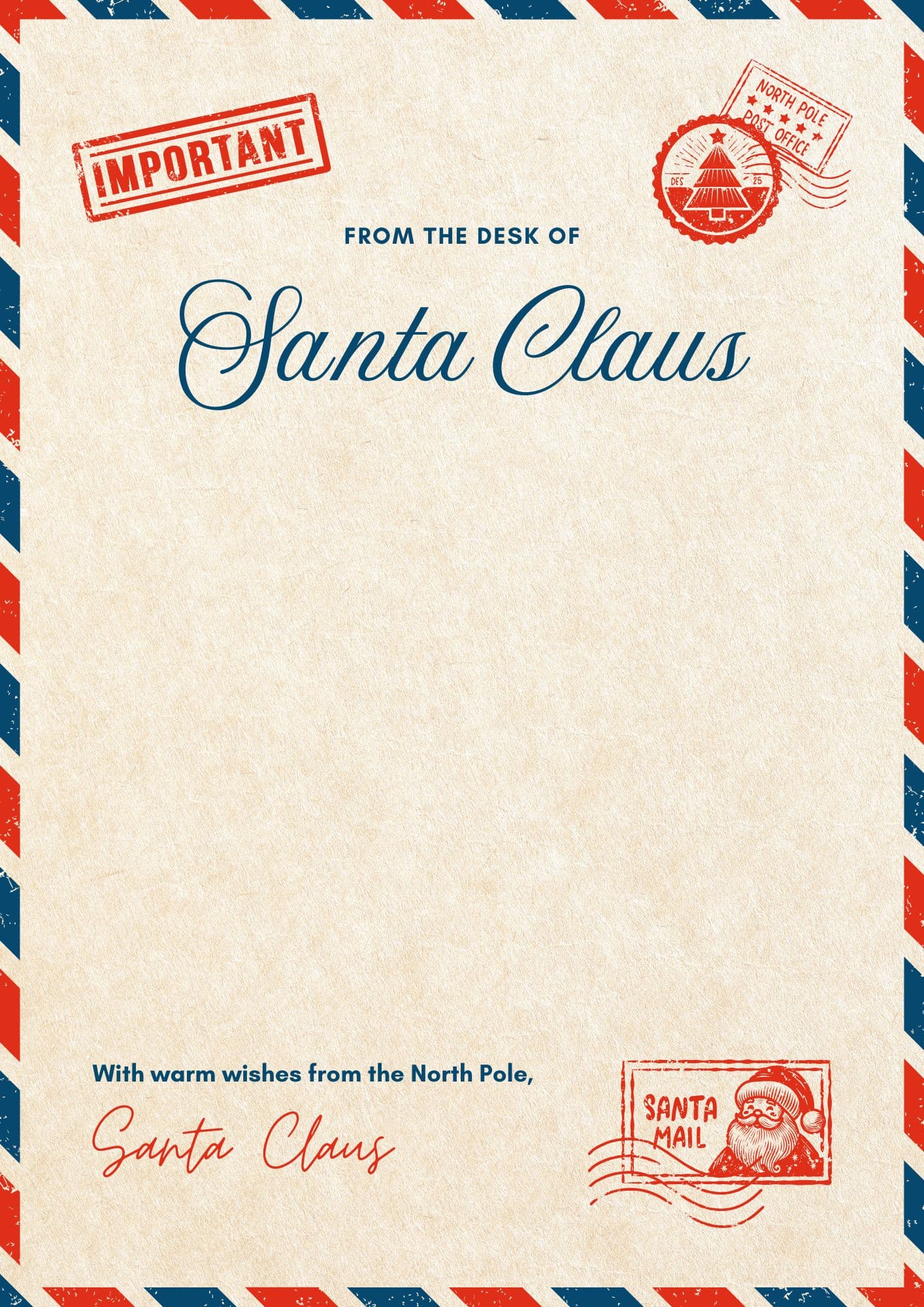
Consider writing a letter from Santa or the Magi to your child, expressing joy in their good deeds and anticipation for the year ahead. This personal touch can make the tradition more relatable and exciting for kids. Additionally, organizing a small play or skit where children can dress up as the Magi can be an entertaining way to involve them in the celebration. Such activities foster a sense of participation and teach children the values of empathy and generosity.
Free download
Printable Letter From Santa + Nice List Certificate
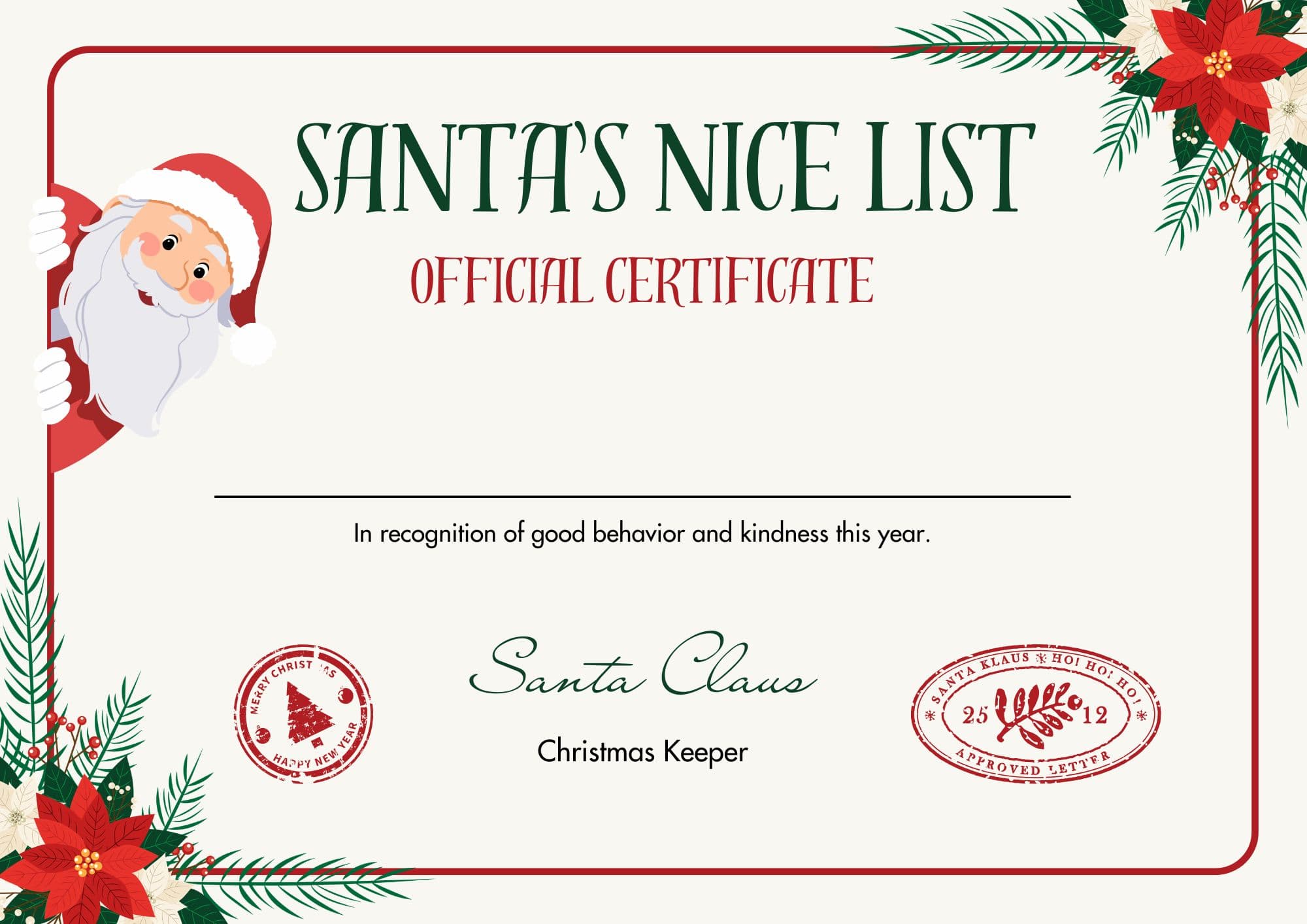
Two beautiful keepsakes from the North Pole — a personalized-style letter from Santa and an official Nice List certificate. Enter your email and Santa will unlock both PDFs for you, free.
A paper letter can't say your child's name out loud
Santa can. Watch a 30-second example — he greets your child by name, city and their proudest moment of the year.
Get a video from SantaWritten in Santa’s voice with AI help, then read and checked by a person before publishing.