Quick answer
- Learn to say Merry Christmas in 40+ languages.
- Explore unique gift-bringer traditions worldwide.
- Perfect for culturally diverse holiday greetings.
- Engage with an online Santa video service for personalized magic.
- Understand global Christmas customs and languages.
Say Merry Christmas in Over 40 Languages
Learning how to say 'Merry Christmas' in different languages adds a personal touch to your holiday greetings. From 'Feliz Navidad' in Spanish to 'Joyeux Noël' in French, each phrase carries its own cultural significance. This guide will help you connect with friends around the world, sharing the joy of the season. By understanding these greetings, you not only express well-wishes but also show respect and appreciation for diverse cultures. It's a small gesture that can go a long way in building cross-cultural friendships and spreading holiday cheer.
- Spanish: 'Feliz Navidad' (feh-lees nah-vee-dahd) - A phrase made famous by the popular Christmas song by José Feliciano, embodying the lively spirit of Spanish-speaking countries.
- French: 'Joyeux Noël' (zhwah-yuh no-el) - Often heard in the romantic streets of Paris during Christmas, accompanied by traditional French carols.
- German: 'Frohe Weihnachten' (fro-he vy-nahkh-ten) - Celebrated with the unique German Christmas markets known for their Glühwein and handcrafted gifts.
- Italian: 'Buon Natale' (bwohn nah-tah-leh) - In Italy, this greeting is often exchanged alongside the sharing of a panettone, a popular Christmas cake.
- Portuguese: 'Feliz Natal' (feh-leez nah-tal) - In Portugal and Brazil, it's common to enjoy a feast featuring bacalhau (salted cod) during this festive time.
- Chinese (Mandarin): '圣诞快乐' (shèng dàn kuài lè) - While not a traditional holiday, Christmas in China is celebrated with vibrant decorations and light displays.
- Russian: 'С Рождеством' (s rozh-deh-stvom) - In Russia, Christmas is celebrated on January 7th, following the Julian calendar, with a focus on religious traditions.
- Japanese: 'メリークリスマス' (meri kurisumasu) - Christmas in Japan is more of a commercial holiday, celebrated with KFC dinners and romantic date nights.
- Korean: '메리 크리스마스' (meri keuriseumaseu) - Koreans celebrate with festive lights and often exchange small gifts among friends and family.
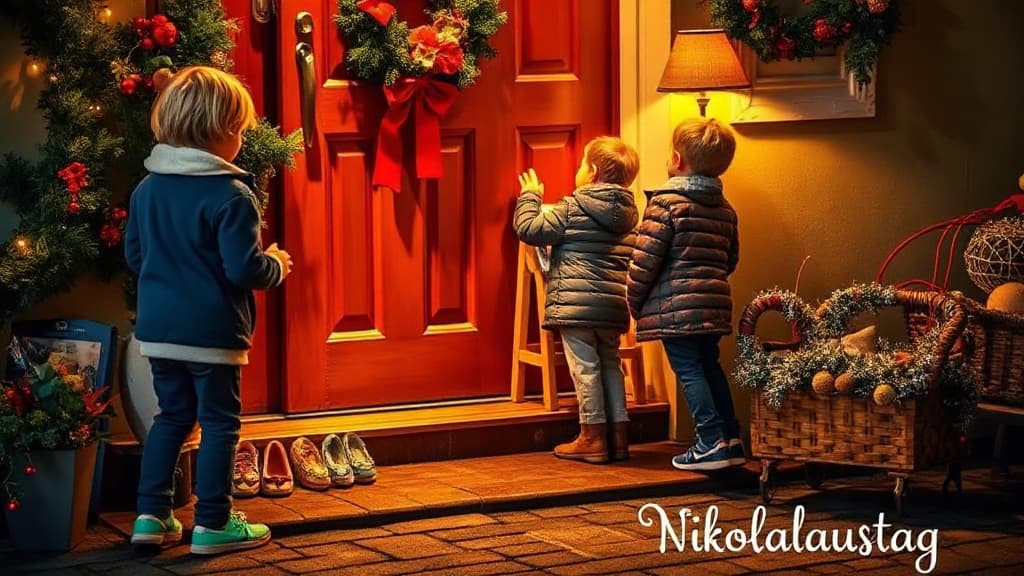
- Dutch: 'Vrolijk Kerstfeest' (vroh-lik kerst-feest) - The Netherlands kickstarts the holiday season with Sinterklaas on December 5th, followed by Christmas celebrations.
European Christmas Greetings
Europe offers a rich tapestry of languages and traditions, making its Christmas greetings as diverse as its cultures. From the festive markets in Germany to the light-filled streets of Paris, saying Merry Christmas in the native language can enhance your holiday experience. Each European country boasts its own unique customs, such as the giant Christmas trees in Norway or the nativity scenes in Italy, which provide a deeper understanding of their cultural heritage.
- Swedish: 'God Jul' (gud yule) - In Sweden, Christmas is marked by the 'Julbord', a traditional buffet of holiday foods including herring and meatballs.
- Norwegian: 'God Jul' (gud yule) - Norway is known for its 'Julebukk', a tradition where people dress as goats and visit neighbors for treats.
- Danish: 'Glædelig Jul' (gleh-deh-lee yule) - The Danes enjoy 'hygge', a cozy atmosphere created with candles and warm drinks during the holiday season.
- Finnish: 'Hyvää Joulua' (hu-va yo-lua) - Finland is the official home of Santa Claus, with many visiting Rovaniemi in Lapland to meet him.
- Icelandic: 'Gleðileg Jól' (gleh-the-leg yole) - Iceland celebrates with 13 Yule Lads, each visiting children on the nights leading up to Christmas.
- Greek: 'Καλά Χριστούγεννα' (ka-la khri-stoo-yen-na) - In Greece, Christmas is a deeply religious holiday, often celebrated with midnight mass and traditional sweets like 'kourabiedes'.
Make it magical with a video from Santa
Santa says your child's name, city and proudest achievement — in a real personalized video. Watch a free preview in 60 seconds.
Asian Christmas Greetings
In Asia, Christmas is celebrated with varying degrees of enthusiasm, often blending local customs with Western traditions. Saying Merry Christmas in an Asian language can be a delightful surprise for friends and family. While countries like the Philippines embrace Christmas with fervor, others like Japan and China adopt more secular and commercial aspects of the holiday.
- Thai: 'สุขสันต์วันคริสต์มาส' (suk-san wan khris-mat) - In Thailand, Christmas is celebrated with a mix of traditional Thai music and Western holiday songs.
- Vietnamese: 'Giáng Sinh Vui Vẻ' (zyang sinh vui ve) - Vietnam celebrates Christmas with festive lights and decorations, especially in major cities like Ho Chi Minh City.
- Hindi: 'मेरी क्रिसमस' (meri krismas) - In India, Christmas is celebrated with midnight masses, and families often exchange sweets and plum cakes.
- Filipino: 'Maligayang Pasko' (ma-li-gah-yang pahs-koh) - The Philippines boasts the longest Christmas season in the world, starting as early as September.
- Indonesian: 'Selamat Natal' (seh-lah-maht nah-tahl) - In Indonesia, Christmas is celebrated with traditional foods like 'Nasi Goreng' and 'Rendang'.
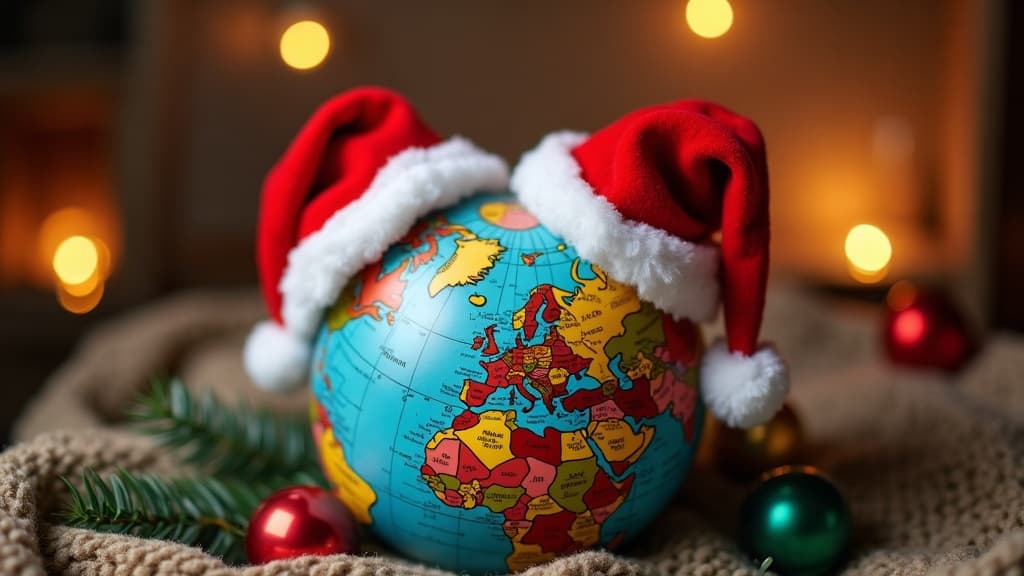
African Christmas Greetings
Africa's diverse cultures bring unique flavors to Christmas celebrations. Whether it's the vibrant festivities in Nigeria or the serene gatherings in South Africa, knowing how to say Merry Christmas in local languages enriches the experience. African Christmas celebrations often include a fusion of traditional music, dance, and communal feasting.
- Swahili: 'Heri ya Krismasi' (heh-ree yah kris-mah-see) - In East Africa, the holiday is celebrated with family gatherings and church services.
- Zulu: 'UKhisimusi Omuhle' (oo-khee-see-moo-see oh-moo-hleh) - In South Africa, Christmas is a summer holiday, celebrated with barbecues known as 'braais'.
- Afrikaans: 'Geseënde Kersfees' (ge-seen-deh kers-fees) - The Afrikaner community often enjoys traditional dishes like 'bobotie' during Christmas.
Gift-Bringer Traditions Around the World
While Santa Claus is the most recognized gift-bringer, many cultures have their own figures. In Italy, 'La Befana' brings gifts on Epiphany, January 6th. The Netherlands celebrates 'Sinterklaas' on December 5th. Each tradition reflects cultural values and stories. These unique gift-bringers not only deliver presents but also teach important lessons through folklore and myths.
- Italy: 'La Befana' – A friendly witch who delivers gifts on Epiphany, symbolizing the end of the holiday season with her broomstick, she sweeps away the past year.
- Netherlands: 'Sinterklaas' – Celebrated with gifts on December 5th, Sinterklaas arrives on a steamboat and is accompanied by 'Zwarte Piet' or 'Black Pete'.
- Germany: 'Christkind' – An angelic figure bringing gifts on Christmas Eve, often depicted as a young girl with curly hair and wings.
- Russia: 'Ded Moroz' – Grandfather Frost, who delivers gifts on New Year's Eve, often travels with his granddaughter, 'Snegurochka' or 'Snow Maiden'.
- Spain: 'Los Reyes Magos' – The Three Wise Men bring gifts on January 6th, celebrated with parades and the traditional 'Rosca de Reyes' cake.
Incorporating Global Traditions at Home
Incorporating global Christmas traditions into your celebrations can make the holidays more inclusive and educational. Consider hosting a Christmas countdown using traditions from different cultures, or send a letter from Santa to make the experience more magical. These practices can foster a deeper understanding and appreciation of worldwide customs, creating a rich mosaic of holiday experiences.
- Host a multicultural Christmas dinner with dishes like 'Raclette' from Switzerland or 'Tamales' from Mexico, allowing your family to taste the world.
- Create a holiday playlist featuring Christmas carols in different languages, providing a soundtrack that celebrates diverse cultures.
- Use a Santa app to chat with Santa in various languages, offering children a unique and personalized interaction with the holiday icon.
Free download
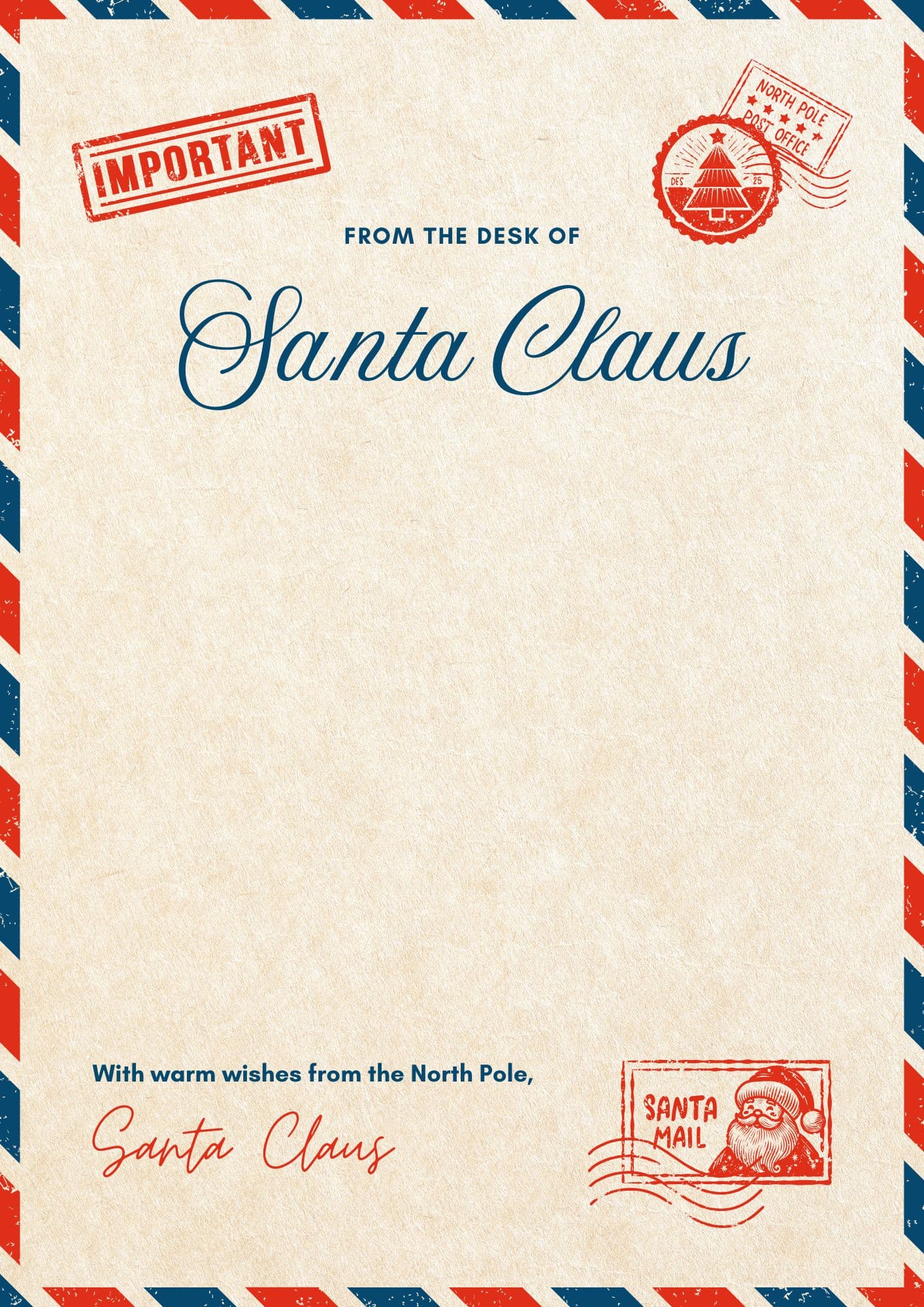
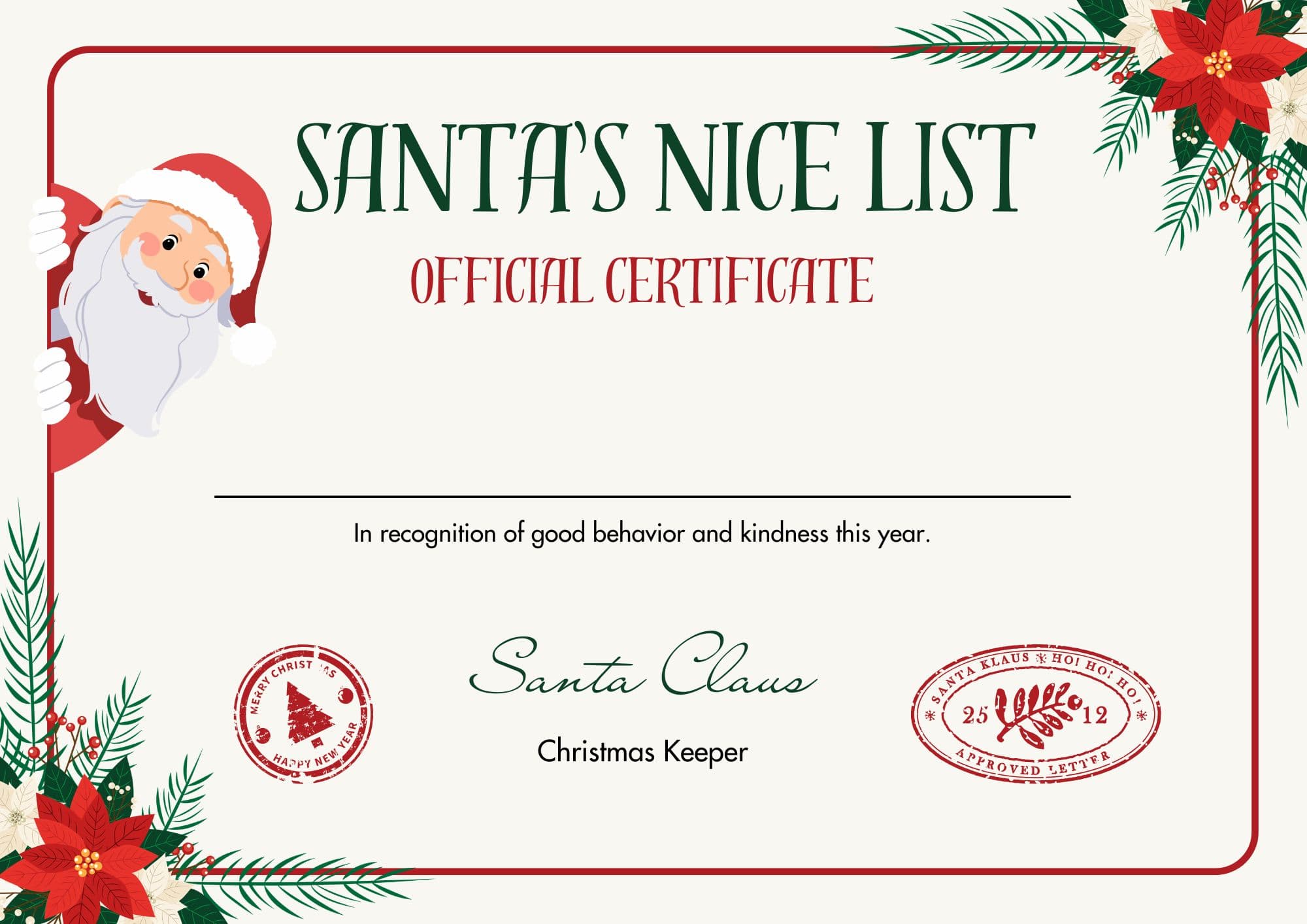
Printable Letter From Santa + Nice List Certificate
Two beautiful keepsakes from the North Pole — a personalized-style letter from Santa and an official Nice List certificate. Enter your email and Santa will unlock both PDFs for you, free.
A paper letter can't say your child's name out loud
Santa can. Watch a 30-second example — he greets your child by name, city and their proudest moment of the year.
Get a video from Santa